Get your free personalized podcast brief
We scan new podcasts and send you the top 5 insights daily.
A common failure mode for well-funded biotechs is growing headcount too rapidly. Immunocore's CEO advises new leaders to pace themselves, emphasizing that drug development is a marathon. Prematurely scaling creates fixed expenses that can drain capital before key scientific milestones are hit.

Related Insights
A huge Series A before clear product-market fit creates immense pressure to scale prematurely. This can force 'unnatural acts' and unrealistic expectations, potentially leading the company to implode. It challenges the 'more money is always better' mindset at the early stages.

Flexport's CEO advises founders who've raised a large round to immediately implement a 90-day hiring freeze. This prevents the team from defaulting to hiring as the solution to every problem, reinforcing a culture of internal problem-solving and preventing the new capital from creating bloat and slowing the company.

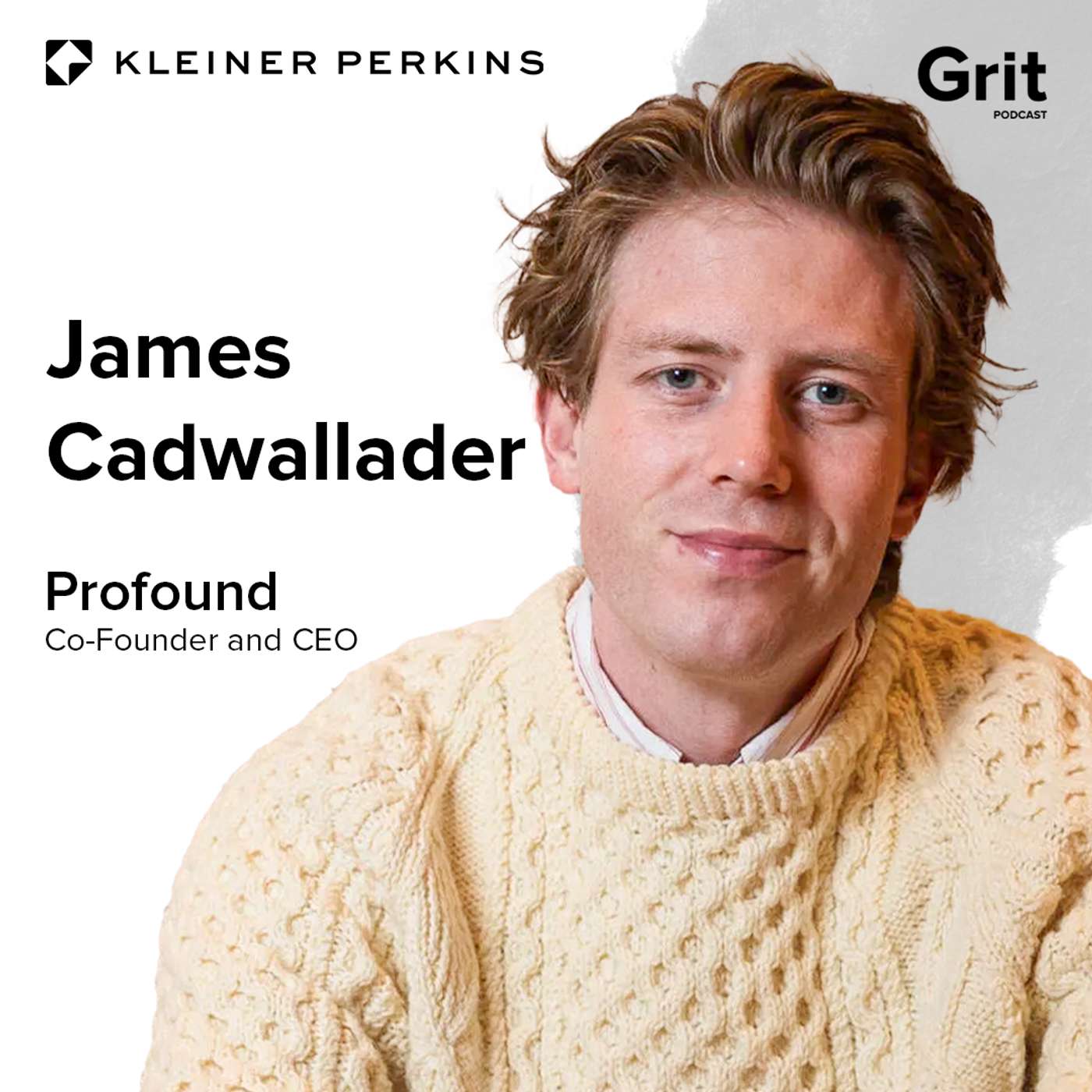
A scaling founder can avoid "breaking the model" during hypergrowth by hiring senior leaders with proven track records in similar environments. For example, Profound hired a CRO who previously scaled a company with the same target customer to $250M, bringing invaluable experience to manage chaos.
Paul Graham argues that a large team is a greater liability than low cash when a startup needs to pivot. Having many employees forces the founders to find a new idea that fits the existing team's capabilities, drastically limiting their options compared to a small founding team that can pursue anything.

Founders often chase executives from successful scaled companies. However, these execs can fail because their experience makes them overly critical and resistant to the painful, hands-on work required at an early stage. The right hire is often someone a few layers down from the star executive.

The primary goal of hiring should be to reclaim the founder's time from low-value tasks. This frees up the business's most valuable asset—the founder—to focus on high-leverage activities that truly drive growth, rather than simply adding capacity.

Unlike software startups that can "fail fast" and pivot cheaply, a single biotech clinical program costs tens of millions. This high cost of failure means the industry values experienced founders who have learned from past mistakes, a direct contrast to Silicon Valley's youth-centric culture.

Unlike most biotechs that start with researchers, CRISPR prioritized hiring manufacturing and process development experts early. This 'backwards' approach was crucial for solving the challenge of scaling cell editing from lab to GMP, which they identified as a primary risk.

Hiring someone with a prestigious background for a role your startup isn't ready for is a common mistake. These hires often need structure that doesn't exist, leading to their underutilization and boredom. It's like using a "jackhammer when all we needed was a sturdy hammer."

A frequent conflict arises between cautious VCs who advise raising excess capital and optimistic founders who underestimate their needs. This misalignment often leads to companies running out of money, a preventable failure mode that veteran VCs have seen repeat for decades, especially when capital is tight.
