Get your free personalized podcast brief
We scan new podcasts and send you the top 5 insights daily.
The US Mint loses significant money producing each penny. This effective government subsidy primarily benefits retailers by enabling "charm pricing" (e.g., $20.99 vs. $21), a psychological tactic that encourages consumption by making prices appear lower than they are. The coin's existence underpins this widespread marketing strategy.

Related Insights
Businesses often launch with transparent, all-in pricing because it feels honest. However, as seen across e-commerce, strategies like partitioned pricing ($9.99 + shipping/tax) and added fees consistently convert better. This creates competitive pressure that makes adopting such psychological hacks almost inevitable for survival.
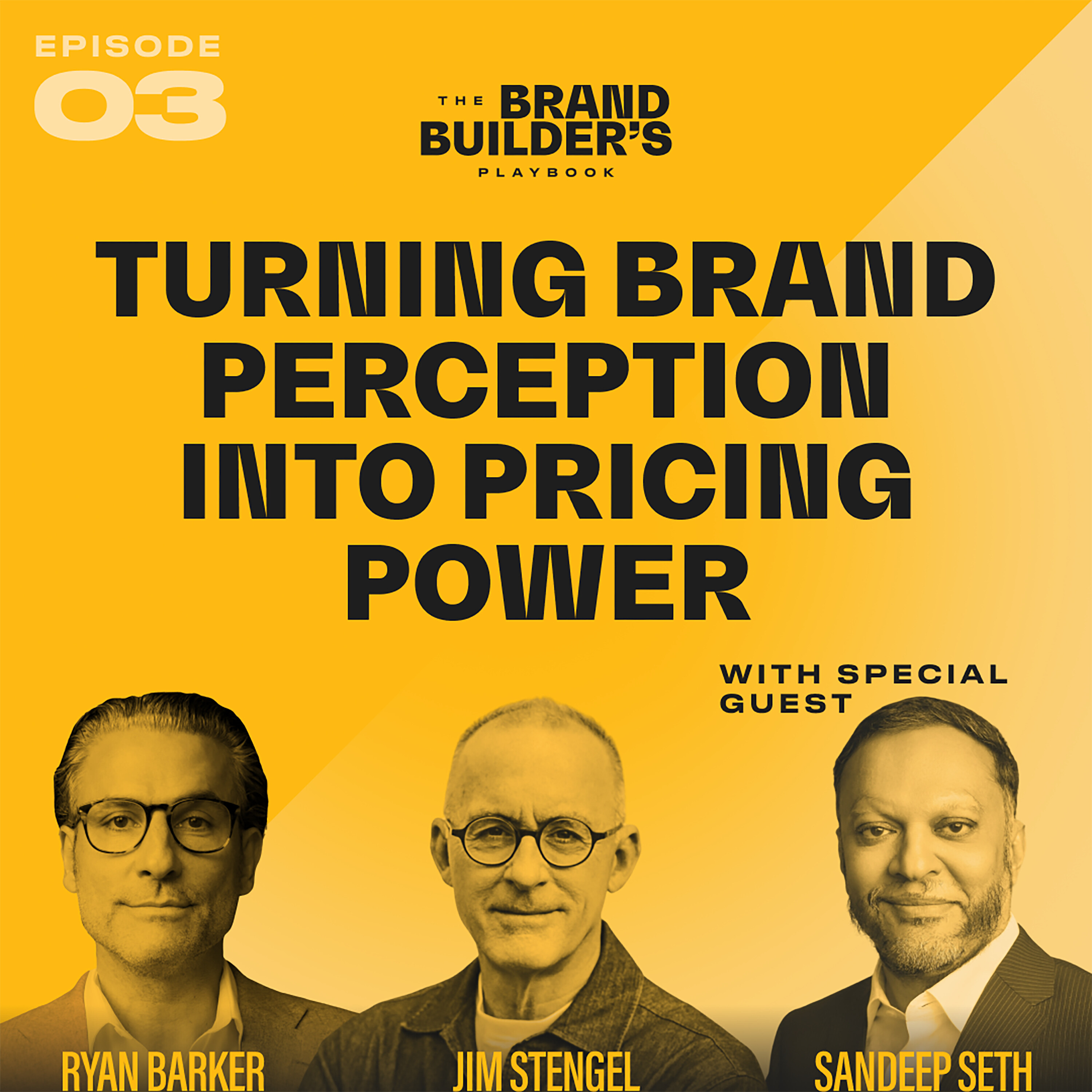
Pricing power allows a brand to raise prices without losing customers, effectively fighting the economic principle that demand falls as price rises. This is achieved by creating a brand perception so strong that consumers believe there is no viable substitute.
Consumers find prices more appealing when broken down into smaller increments, like a daily cost versus an annual fee. This 'pennies-a-day effect' can make the same price seem like a much better value because people struggle to abstract small, concrete costs into a larger total.

The U.S. penny was discontinued because it cost four cents to produce one. However, its significance extended far beyond its monetary value, becoming deeply embedded in cultural idioms ('a penny for your thoughts'), products ('penny loafers'), and daily life. This illustrates how an object's societal resonance can be disconnected from its economic utility, making its removal complex.

While transparent, all-in pricing feels better to consumers, high-performing online stores consistently use 'drip pricing'—adding taxes and shipping fees late in the checkout process. This psychological hack works by getting users invested in the purchase before revealing the full cost, making them less likely to abandon their cart. This suggests that in competitive markets, psychological optimization often outperforms straightforward pricing.

Travis Kalanick claims delivery app tipping isn't about service feedback but is a tool to maximize consumer price. He posits that consumers are economically irrational, perceiving a $1 tip as costing only 80 cents, while couriers perceive it as being worth $1.20. This psychological gap creates an economic surplus that competitors can exploit to gain market share.
Our willingness to pay isn't just about the product's utility. Richard Thaler's "transaction utility" concept shows context matters. We'll pay more for an identical beer from a boutique hotel than a beach shack, even if we drink it in the same spot, because our perception of a "fair" price is tied to the seller's perceived overheads.

The way a price is presented alters a consumer's emotional response, even if the total cost is identical. Breaking a large sum into smaller installments, like Klarna does, makes it feel more manageable and less intimidating, thus boosting sales.

By introducing a third, strategically priced but less appealing option (the "decoy"), you can manipulate how customers perceive value. A medium popcorn priced close to the large makes the large seem like a much better deal. This proves that value is relative and can be shaped by deliberate choice architecture.

JCPenney's shift to 'fair and square' pricing failed because it eliminated the customer's feeling of victory. Consumers aren't purely rational; they crave the emotional rush of finding a deal. Removing the psychological anchor of a higher original price made the new, lower price feel emotionally sterile and without value.
