Get your free personalized podcast brief
We scan new podcasts and send you the top 5 insights daily.
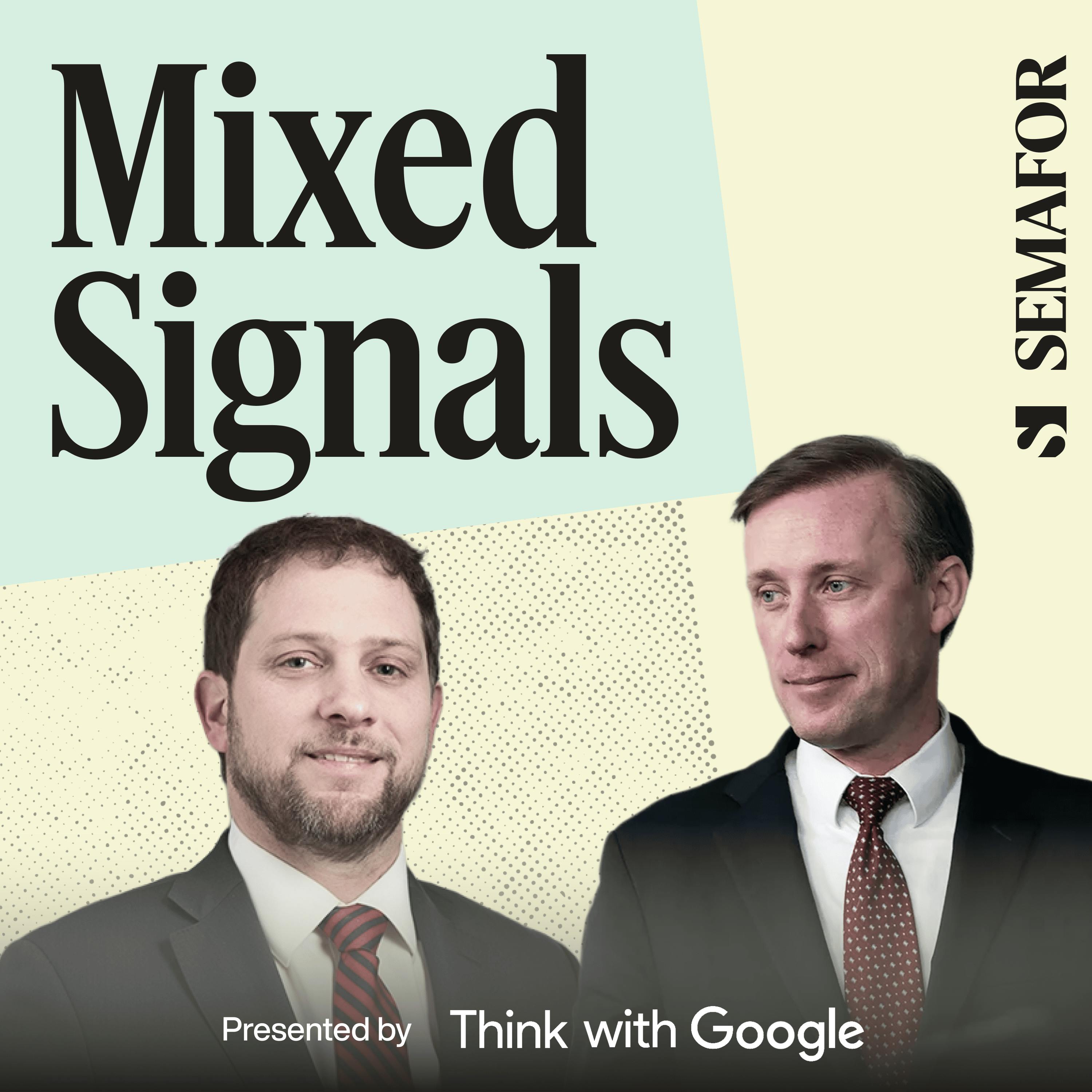
Jake Sullivan admits that even after a dozen podcast episodes, it's a difficult adjustment to move past the ingrained "public official filter" of carefully weighing every word. He acknowledges they are still learning to "tear down" this filter to speak like unadulterated human beings, a process crucial for the medium.
Related Insights
Jodi Cantor's careful language on the podcast isn't just caution; it's a strategic necessity. She operates under the assumption that her sources, or even the subjects of her reporting, could be listening. Every word is weighed to avoid giving the "wrong impression" and jeopardizing hard-won reporting access.

The speaker is abandoning a high-effort interview podcast for a low-production daily show. He believes the rawness and authenticity, including background noise, create a more intimate and sustainable connection with listeners, which is often lost in overly polished formats.

To prevent guests from adopting a rehearsed, "idealized" persona, the podcast host starts recording as soon as they sit down. By eliminating formal cues like "Are you ready?", the conversation feels natural and unplanned, leading to more honest and unguarded responses that reflect the guest's true personality.

By having to explain complex foreign policy to a general audience, former officials are forced to sharpen their own thinking and re-evaluate the core American interests and stakes, which are often taken for granted inside government.
The podcast's mission is to tackle subjects people avoid, like getting fired or having a difficult boss. This approach counters the sterile "corporate talking head" persona, building a more human and valuable connection with the audience.

In high-visibility roles, striving for perfect communication is counterproductive. Mistakes are inevitable. The key to credibility is not avoiding errors, but handling them with authenticity. This display of humanity makes a communicator more relatable and trustworthy than a polished but sterile delivery.
Former athletes like Peter Crouch favor podcasts over traditional TV punditry because the format allows for authentic, open conversation. This contrasts sharply with the guarded, risk-averse nature of television commentary, where they feel pressured to avoid saying the wrong thing.

Before a podcast, Ilya Sutskever was caught on a hot mic expressing genuine awe that AI's progress felt like science fiction. Instead of a PR gaffe, this unscripted moment reinforced his public persona as a true believer, demonstrating how authenticity can be more powerful than polished messaging.

Andy Richter's technique for better interviews is to start recording the moment a guest arrives. This captures unguarded conversation before the formal "commercial vessel" of the show begins. Avoiding a stilted intro maintains a framework of real human interaction, leading to more authentic content.

Unlike traditional media's short, confrontational interviews, long-form podcasts allow public figures to have extended, nuanced conversations (e.g., three hours on Joe Rogan). This reveals a more human side and can significantly shift public perception.