Get your free personalized podcast brief
We scan new podcasts and send you the top 5 insights daily.
To explain how a single therapy can affect multiple diseases, Ann Belien compares organs to countries and underlying biological mechanisms (like mitochondrial health) to languages. While countries are distinct, a shared language can connect many. This powerful analogy helps stakeholders understand how targeting a fundamental biological 'language' can impact many different organ-specific 'countries' or diseases.

Related Insights
A TED speaker explained a complex Alzheimer's treatment not by leading with science, but by first sharing a personal story about his father to create an emotional connection. Only then did he use an extended analogy (cells as cities, mitochondria as factories on fire) to make the technical details accessible and memorable.
To explain how neuromodulation works, the founder compares the tibial nerve to an 'Ethernet cable' for the bladder. This type of simple, relatable analogy is crucial for demystifying complex medical technology for diverse audiences like patients, investors, and clinicians, thereby accelerating understanding and adoption.

For intractable diseases like Parkinson's, the IGI takes an 'end-to-end' approach: building better disease models, discovering root causes, and simultaneously exploring multiple treatment modalities like direct CRISPR edits, cell therapies, and microbiome interventions. This tackles the entire problem, not just one piece.

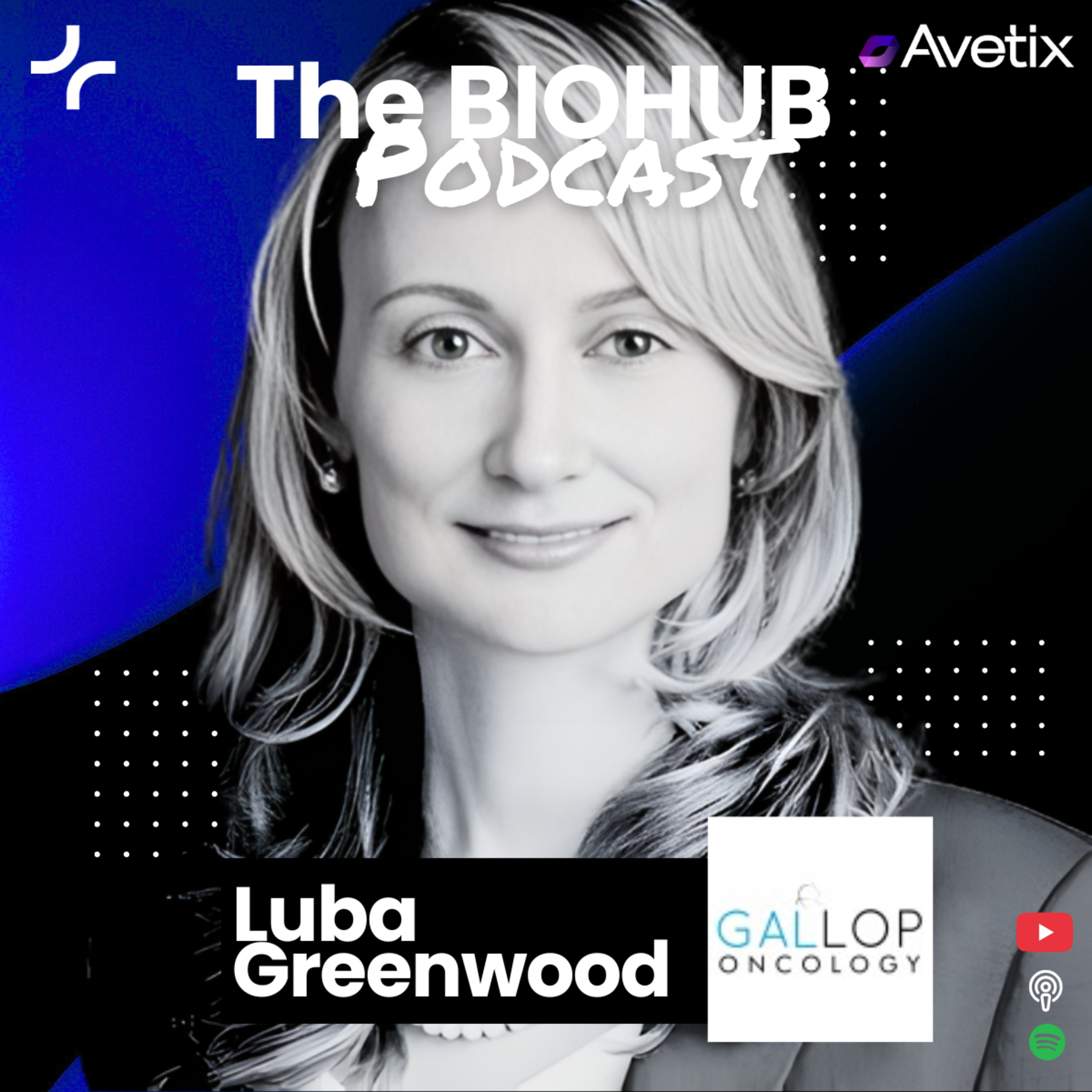
Luba Greenwood reframes competition in biotech as a positive force. When multiple companies pursue the same biological target, it validates the target's importance and accelerates discovery. This collaborative mindset benefits the entire field and, ultimately, patients, as the best and safest drug will prevail.
Instead of targeting individual gene mutations in diseases like ALS, condensate science focuses on shared cellular structures where genetic risks converge. This approach creates a broader therapeutic target, potentially treating more patients with diverse genetic profiles.

A key skill in building a deep tech team is identifying individuals who can bridge the gap between complex science and business reality. These "translators" can articulate highly technical concepts in plain English, clarifying clinical relevance and commercial viability for decision-makers.

Inspired by the broad benefits of drugs like GLP-1s, Gordian is proactively creating "atlases" of target effects across multiple organs (heart, kidney, liver). This strategy positions them to discover the next class of drugs that treat multiple related conditions simultaneously, a key focus for their internal pipeline.
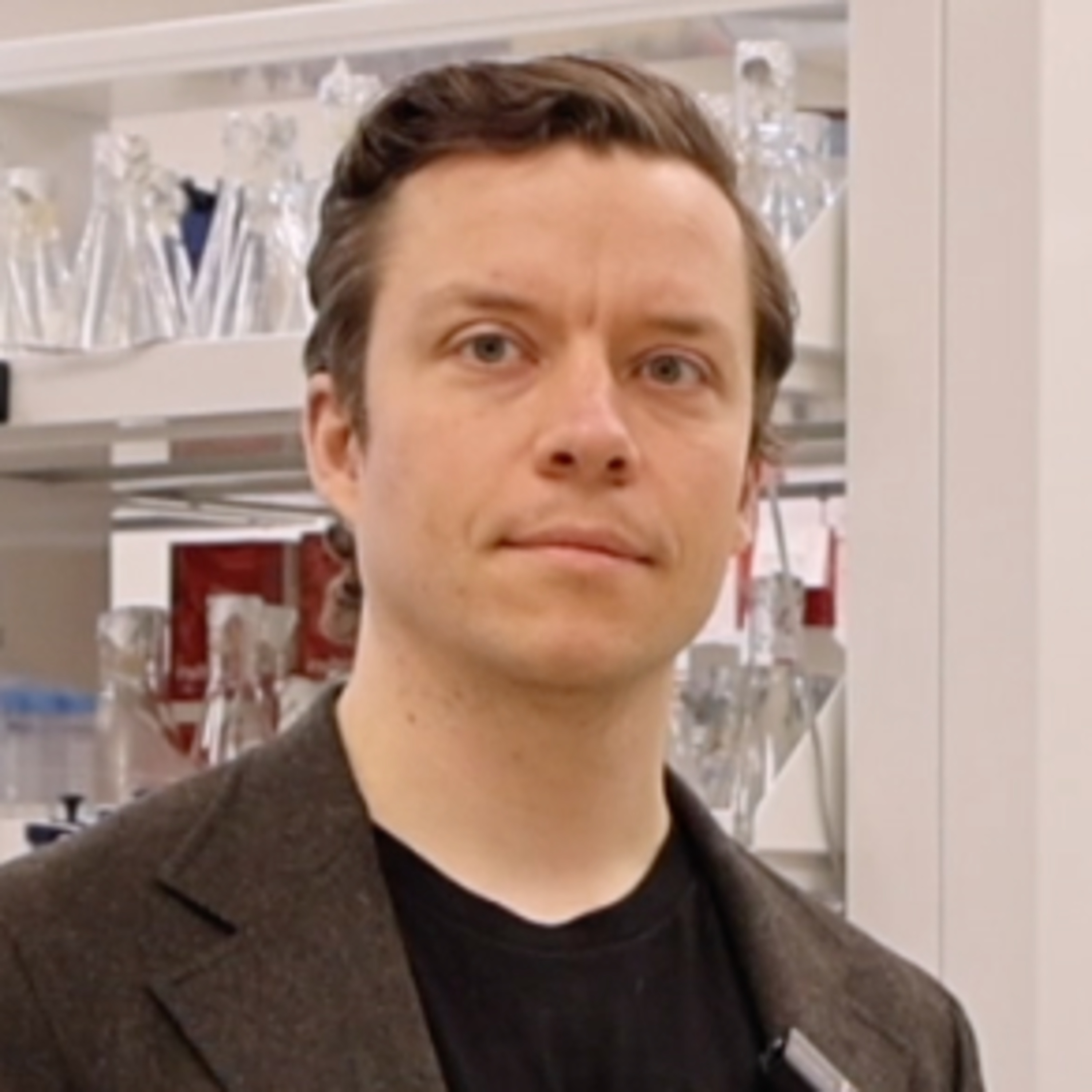
CEO Lance Baldo suggests that gene therapy in the eye is uniquely positioned for success. As an encapsulated organ with "immune privilege," the eye reduces risks like hepatotoxicity seen in systemic therapies. This creates a safer environment to generate learnings that can then be applied to advance gene therapies for other organs.
The T-cell delivery system is versatile. It can carry T-cell engagers for cancer, but also antibodies for Alzheimer's or oligonucleotides. By using different T-cell types (like regulatory T-cells), it can also be used to reduce inflammation, expanding its applicability beyond oncology.

All therapeutic discoveries fall into two types. The first is a biological insight, where the challenge is to find a way to drug it. The second is a technical advancement, like a new platform technology, where the challenge is to find the right clinical application for it. This clarifies a startup's core problem.
