Get your free personalized podcast brief
We scan new podcasts and send you the top 5 insights daily.
All therapeutic discoveries fall into two types. The first is a biological insight, where the challenge is to find a way to drug it. The second is a technical advancement, like a new platform technology, where the challenge is to find the right clinical application for it. This clarifies a startup's core problem.

Related Insights
Breakthrough drugs aren't always driven by novel biological targets. Major successes like Humira or GLP-1s often succeeded through a superior modality (a humanized antibody) or a contrarian bet on a market (obesity). This shows that business and technical execution can be more critical than being the first to discover a biological mechanism.

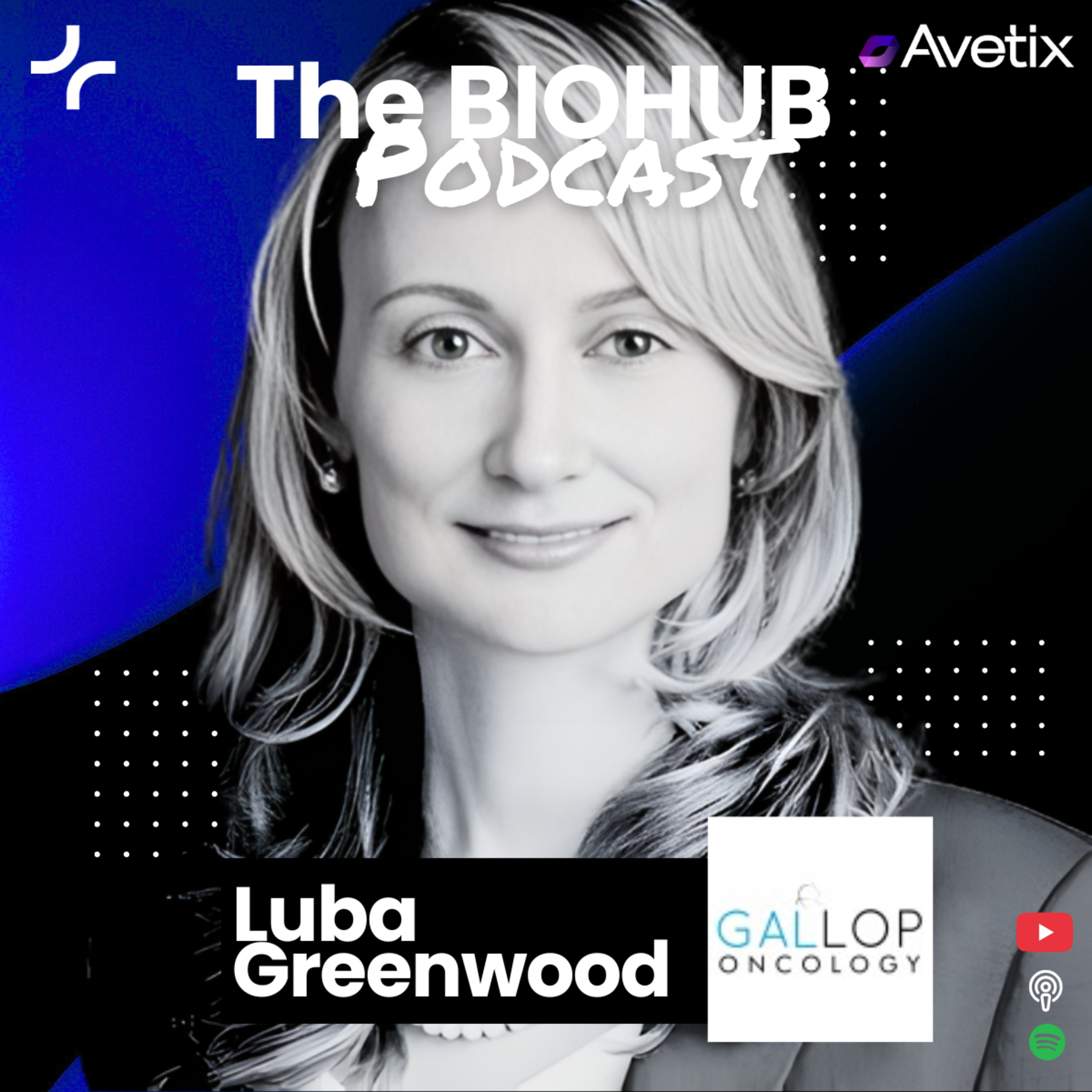
Luba Greenwood reframes competition in biotech as a positive force. When multiple companies pursue the same biological target, it validates the target's importance and accelerates discovery. This collaborative mindset benefits the entire field and, ultimately, patients, as the best and safest drug will prevail.
Don't wait for a 'Shark Tank' invention. Your most valuable business idea is likely a proprietary insight you have about a broken process in your current field. Everyone has a unique vantage point that reveals an inefficiency or an unmet need that can be the seed of a successful venture.

This reframes the fundamental goal of a startup away from a supply-side focus (building) to a demand-side focus (discovery). The market's unmet need is the force that pulls a company and its product into existence, not the other way around.

A crucial piece of advice for biotech founders is to interact with patients as early as possible. This 'patient first' approach helps uncover unmet needs in their treatment journey, providing a more powerful and differentiated perspective than focusing solely on the scientific or commercial landscape.

Profluent CEO Ali Madani frames the history of medicine (like penicillin) as one of random discovery—finding useful molecules in nature. His company uses AI language models to move beyond this "caveman-like" approach. By designing novel proteins from scratch, they are shifting the paradigm from finding a needle in a haystack to engineering the exact needle required.

When seeking partnerships, biotechs should structure their narrative around three core questions pharma asks: What is the modality? How does the mechanism work? And most importantly, why is this the best differentiated approach to solve a specific clinical challenge and fit into the competitive landscape?
Many innovative drug designs fail because they are difficult to manufacture. LabGenius's ML platform avoids this by simultaneously optimizing for both biological function (e.g., potency) and "developability." This allows them to explore unconventional molecular designs without hitting a production wall later.
Gene therapy companies, which are inherently technology-heavy, risk becoming too focused on their platform. The ultimate stakeholder is the patient, who is indifferent to whether a cure comes from gene editing, a small molecule, or an antibody. The key is solving the disease, not forcing a specific technological solution onto every problem.

The future of biotech moves beyond single drugs. It lies in integrated systems where the 'platform is the product.' This model combines diagnostics, AI, and manufacturing to deliver personalized therapies like cancer vaccines. It breaks the traditional drug development paradigm by creating a generative, pan-indication capability rather than a single molecule.