Get your free personalized podcast brief
We scan new podcasts and send you the top 5 insights daily.
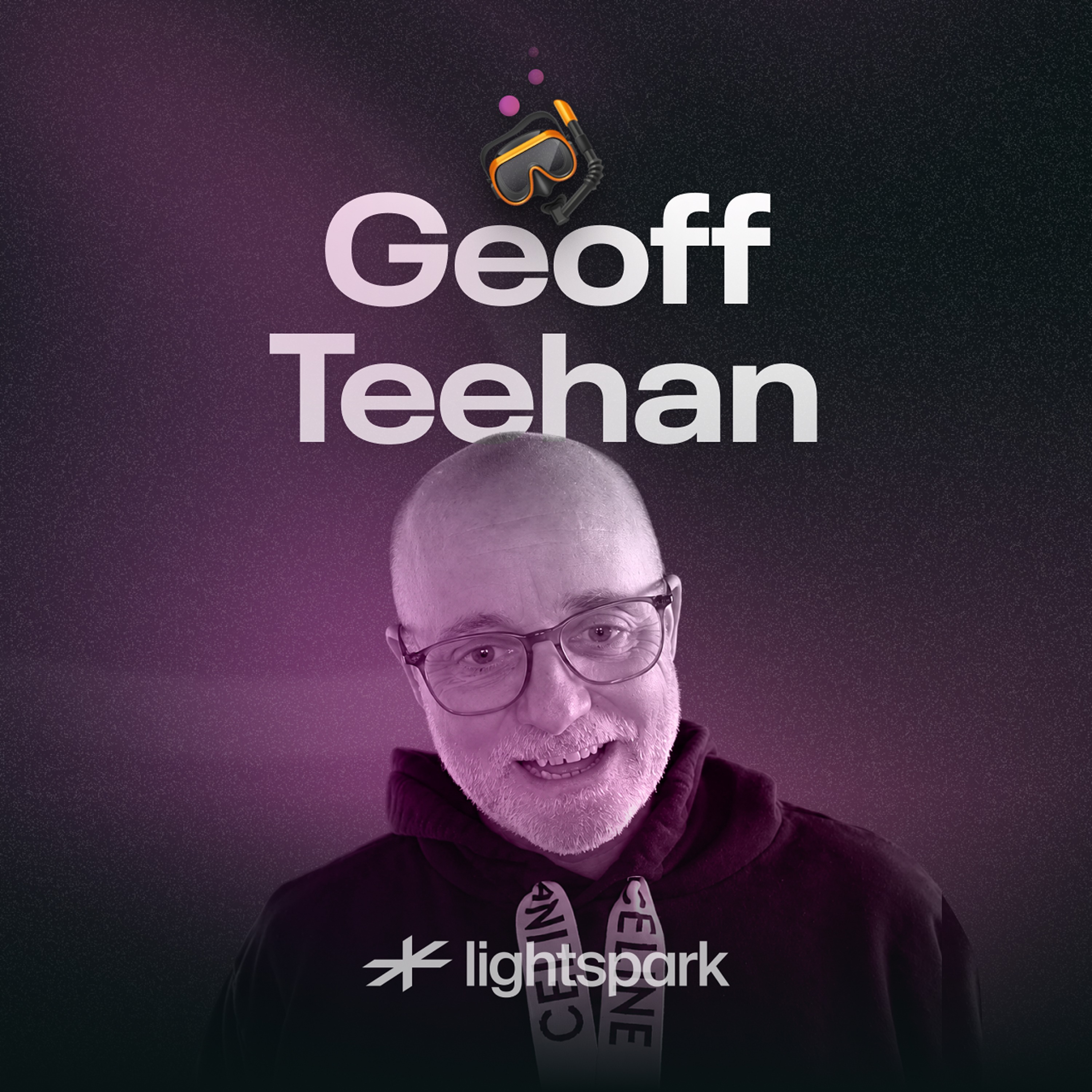
Instead of traditional feedback sessions, Geoff Teehan's team will often pause a critique and have everyone spend 15 minutes live-designing solutions to the problem. This "lightning round" approach moves beyond just talking about work to collaboratively doing the work, solving problems faster.
Related Insights
Prescribing solutions atrophies your team's thinking. It's far more effective to teach them a process for analyzing data and designing solutions themselves. This empowers them to find better answers than you could alone.

A formal 'Creative Council' can shift a review process from a scary judgment forum to a collaborative space where teams willingly bring ideas for sharpening. This cross-functional meeting elevates work by fostering healthy debate and reinforcing that creativity is an iterative process.
Ditch the standard 1-on-1 format. The most valuable use of this time, especially for creative roles, is a protected working session where a manager and report can whiteboard, brainstorm, and solve a specific problem together. This is far more impactful than asynchronous status updates.

Scheduled critiques create bottlenecks and encourage performative feedback. A better model is to empower designers with ownership, letting them decide when to seek input. This "organic grit" model values velocity and makes feedback a tool, not a ritual.
Borrowing from design's critique ritual, product teams can present works-in-progress to peers, stating the problem stage, solutions tried, and specific feedback needed. This fosters knowledge sharing and cross-pollination of ideas with low overhead.

When a critical technical decision is stalled, force a resolution with a timed design competition. Split all relevant tech leads into two competing teams and give them a few hours to independently architect a solution. This quickly reveals areas of consensus and isolates points of disagreement.
When a team gets stuck on one or two approaches, use a specific prompt: "What are the other three ways we could solve this?" This forces participants to move beyond their initial ideas, explore alternatives, and often leads to more creative and practical solutions.

The ability to rapidly prototype with new tools has fundamentally changed meetings at Block. Instead of presenting information via slides, teams bring working prototypes, which allows for real-time interaction, exploration, and deeper, more tangible discussions.

Formal slide decks for sprint readouts invite a "judgment culture." Instead, use an "open house" format with work-in-progress on whiteboards. This frames the session as a collaborative build, inviting stakeholders to contribute rather than just critique.

Product reviews are conducted using live demos that the entire meeting can interact with. Team members can fork the prototype in real-time to build on ideas collaboratively, making reviews a dynamic, creative session rather than a passive presentation.
