Get your free personalized podcast brief
We scan new podcasts and send you the top 5 insights daily.
Protests are not just single events; they create networks and invest participants emotionally, laying the groundwork for sustained organizing, voter registration, and future turnouts.

Related Insights
In times of crisis, expecting an opposition party to lead the charge is a mistake. Real political movements are initiated by citizens who set the moral terms and take risks. The political party then becomes just one part of a larger coalition that it doesn't necessarily lead.

Citing expert Timothy Snyder, the podcast notes that protests create lasting infrastructure—databases and communication networks—beyond the event itself. This allows activists to mobilize quickly for subsequent actions, such as observing ICE raids on short notice, demonstrating a long-term strategic benefit of public assembly.
Protests, like those in Minneapolis, are effective when they generate enough moral outrage to force action from leaders. They have a time limit; their purpose is not sustained demonstration but to create a crisis that people in power must resolve through policy, as seen with LBJ and the Civil Rights Act after Selma.
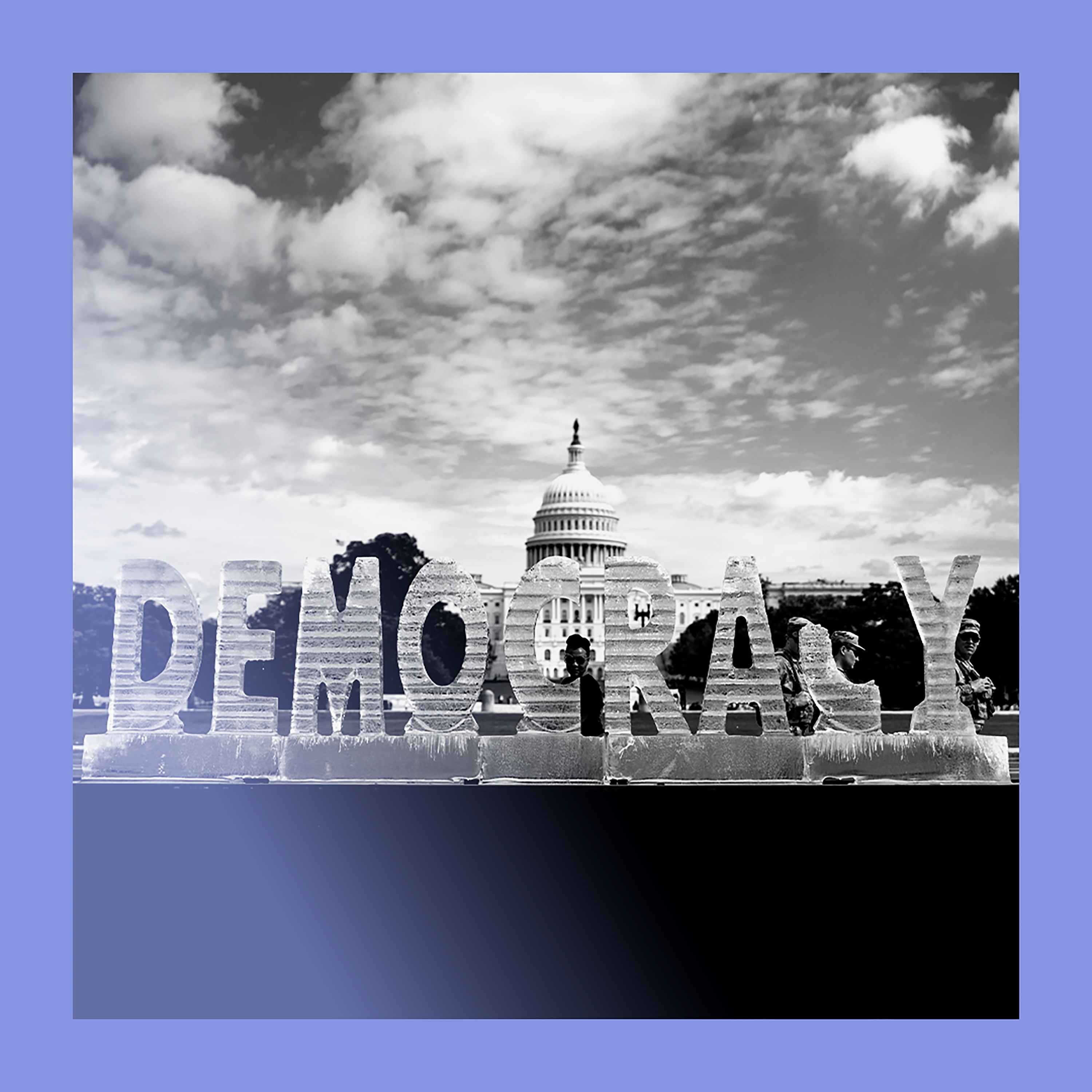
The primary functions of protest are to publicly signal that a situation is not normal and to act as an incubator for building practical infrastructure, like the carpooling network during the Montgomery bus boycott. It is a gateway to organized, sustained action, not just a performative measure.

Widespread suffering alone doesn't trigger a revolution. Historically, successful uprisings require a politically savvy, well-organized group with a clear agenda and influential leadership. Disparate and unorganized populations, no matter how desperate, tend to see their energy dissipate without causing systemic change.

Contrary to movie portrayals, real political change rarely happens in a single, dramatic moment. It's a slow, arduous 'movement' that requires sustained participation within existing institutions. Lasting impact comes from changing the system from the inside, not from being an external disruptor.

Citing Gandhi and the Civil Rights Movement, the most successful long-term protest strategies rely on peaceful non-resistance. Active resistance, even when justified, often escalates violence and cedes the moral high ground, making it a less effective tool for systemic change compared to disciplined, peaceful protest.

The primary value of protests isn't just cinematic outrage; it's serving as a gateway for deeper organizing. Demonstrations allow individuals to connect with the groups that form the backbone of sustained political action, creating lasting, though often unseen, infrastructure.
Expecting top-down change from political party leadership is a flawed strategy. True societal transformation starts with grassroots movements and shifts in public sentiment. Political parties are reactive entities that eventually adopt agendas forced upon them by the people they seek to represent, making them followers, not initiators, of change.

Jane Fonda distinguishes the strategic value of protests. While vital for pressuring receptive governments, under an unreceptive or authoritarian regime, their primary function shifts. Protests then serve to build solidarity and morale ("flossing the movement") rather than directly influencing policy.