Get your free personalized podcast brief
We scan new podcasts and send you the top 5 insights daily.
The public celebration of a vigilante who duct-tapes thieves to lampposts reflects deep frustration with official police forces, who are often perceived as ineffective, even when provided with direct evidence like GPS coordinates.

Related Insights
Official statistics showing a drop in crime are often misleading. In cities like Los Angeles and San Francisco, residents have stopped reporting crimes like break-ins because they know police response is non-existent. The crime rate hasn't fallen; citizens have just given up on the system.

When cities stop prosecuting crimes like shoplifting under the assumption it's driven by poverty, they inadvertently create a lucrative market for organized crime. Sophisticated gangs exploit this leniency to run large-scale theft operations, harming the community more than the original policy intended to help.

When communities object to surveillance technology, the stated concern is often privacy. However, the root cause is usually a fundamental lack of trust in the local police department. The technology simply highlights this pre-existing trust deficit, making it a social issue, not a technical one.
While digital security is useful, dissidents consistently report that the most crucial safety measure is a network of neighbors. These individuals know your routine, can spot when something is wrong, and can provide support or bear witness, offering a layer of protection that technology cannot.

The Mexican government's headline statistic on falling murder rates is misleading. A more comprehensive analysis including 'disappeared' persons, femicides, and manslaughter reveals a much more modest, though still significant, decline. This highlights how official data can obscure the full reality of a security situation.
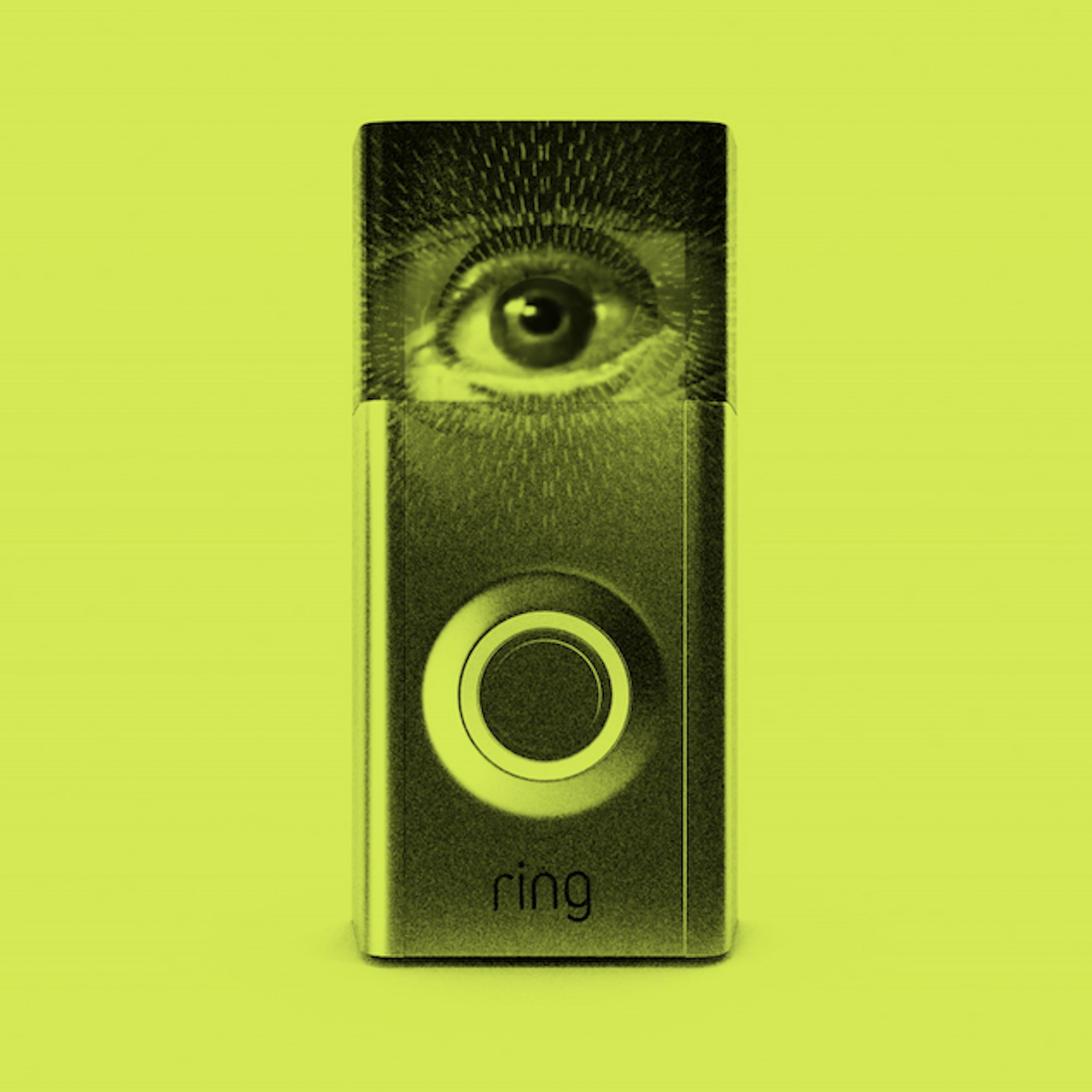
The podcast highlights a core paradox: widespread fear of corporate surveillance systems like Ring coexists with public praise for citizens using identical technology (cell phones) to record law enforcement. This demonstrates that the perceived controller and intent, not the technology itself, dictate public acceptance of surveillance.
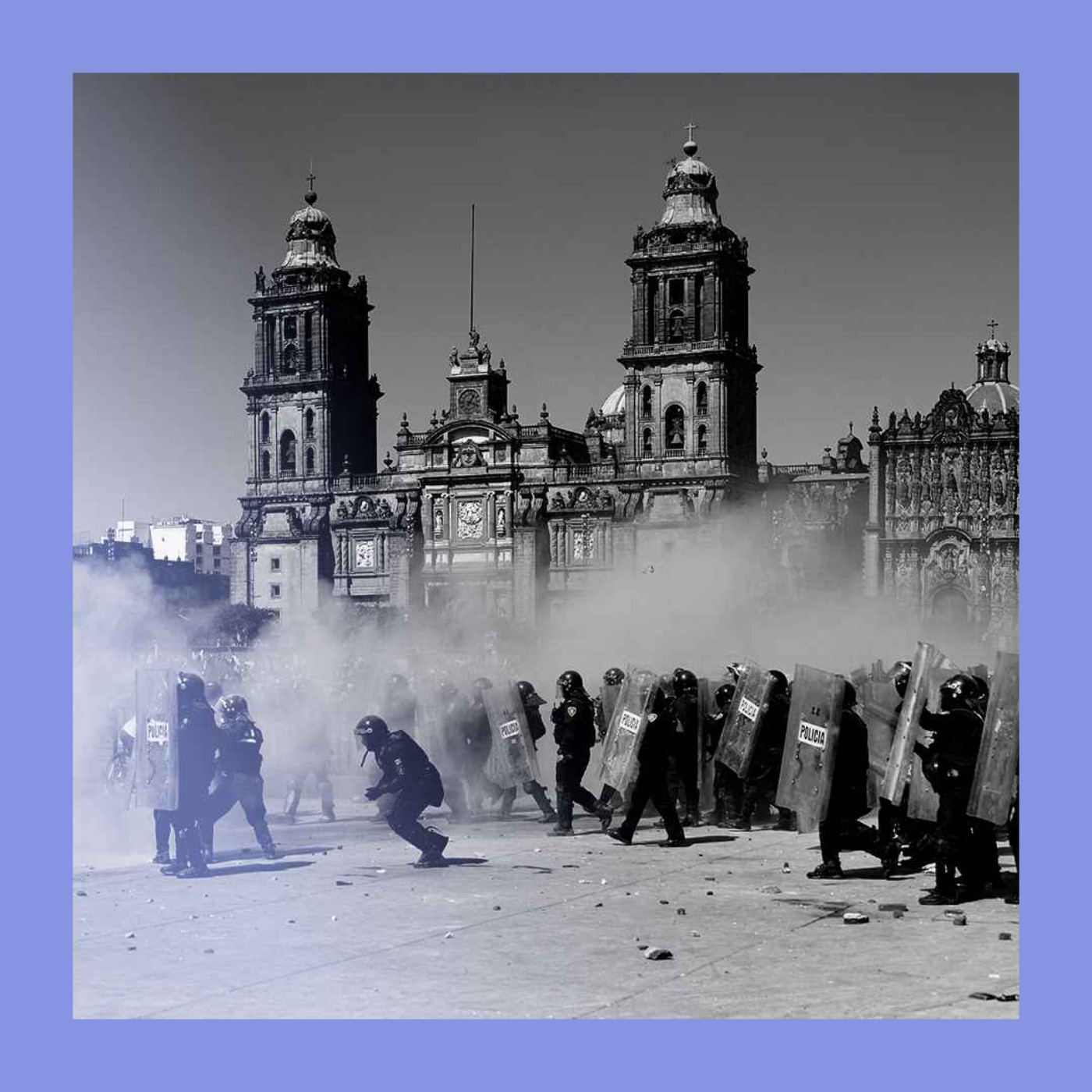
Mexico's progress against crime is highly localized. While states like Zacatecas see murder rates fall steeply due to methodical police reform, others like Sinaloa remain nightmarish 'war zones' controlled by cartels. This demonstrates that national-level policies do not produce uniform results on the ground.
The proliferation of cell phone cameras has fundamentally changed activism. By capturing events from multiple angles, citizens create an irrefutable public record that counters official disinformation and makes the phrase "We see you" a powerful tool for accountability.

When politicians cite falling crime rates, they may be missing the real story. Pratt argues the numbers are down because residents, frustrated by slow or nonexistent police response, have stopped reporting crimes altogether. This creates a dangerous disconnect between official data and the lived reality of public safety.

Governor Pritzker is actively encouraging the public to use their phones to video record ICE and CBP agents. This crowdsourced surveillance strategy aims to create an indisputable visual record to challenge the federal government's claims, turning citizens into watchdogs and providing evidence for both public opinion and legal cases.
