Get your free personalized podcast brief
We scan new podcasts and send you the top 5 insights daily.
Despite widespread use in oncology, immunotherapy has limited efficacy in extrapulmonary NEC. Real-world data for combination CTLA-4 and PD-1 inhibitors show response rates around 15%, with sustained responses in less than 10% of patients. This highlights the urgent need for novel therapeutic approaches beyond checkpoint inhibition.
Related Insights
Early Phase 3 trials like JAVELIN adding immunotherapy to chemoradiation failed to improve outcomes. However, subgroup analyses consistently showed a potential benefit in PD-L1 high-expressing patients, a crucial lesson that informed the design of subsequent, more successful studies.
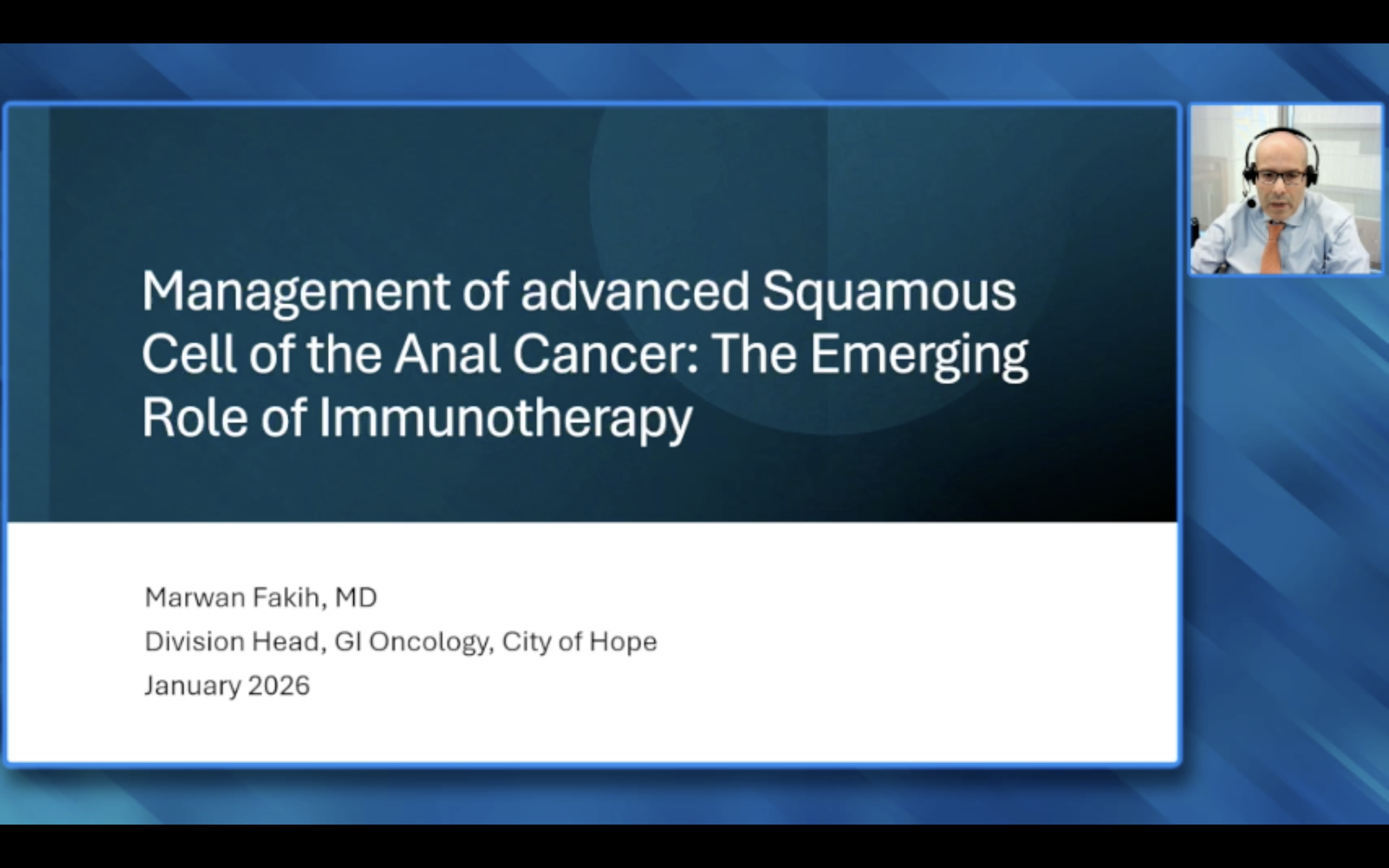
The NCI 9673 trial demonstrated that adding the CTLA-4 inhibitor ipilimumab to the PD-1 inhibitor nivolumab did not improve response rate, PFS, or overall survival in patients with previously treated anal cancer. This finding discourages this combination approach, avoiding unnecessary toxicity.
The CheckMate 9LA regimen provides exceptional benefit to PD-L1 negative and squamous histology NSCLC patients. This is significant because these subgroups often respond poorly to other immunotherapy combinations, with Dr. Carbone noting some trials where the control arm outperformed pembrolizumab in these patients.

The failure of immunotherapies like BiTEs in extramedullary sites (e.g., pleura, small bowel) is not just a drug delivery problem. These tissue microenvironments contain immuno-regulatory influences that actively suppress T-cell engagement and function, creating a biological barrier to effective treatment.

The failure of the concurrent chemo-immuno-radiation approach has not stalled progress. Instead, new clinical trials are actively exploring novel strategies like SBRT boosts, dual checkpoint inhibitors, radiosensitizing nanoparticles, and induction immunotherapy to improve upon the current standard of care.

The novel target DLL3 is a promising avenue for treating NECs, but its therapeutic efficacy is highly dependent on expression levels. Early trial data for a DLL3 T-cell engager showed a 40% response rate in high-expressing tumors versus just 3% in low-expressors, mandating biomarker testing for patient selection.
The Begonia trial showed an ~80% response rate by combining an ADC (Dato-DXD) with immunotherapy (Durvalumab) in first-line metastatic TNBC patients, 87% of whom were PD-L1 negative. This suggests ADCs, through immunogenic cell death, may create an immune-responsive environment, expanding IO benefit beyond the traditional biomarker.
The next frontier in CSCC isn't just about new drugs, but about optimizing existing ones. A key research area is determining the minimum number of immunotherapy doses required for an optimal response—potentially just one or two—to limit toxicity, reduce treatment burden, and personalize care for high-risk patients.
Despite major advances in immunotherapy, patient selection remains crude compared to targeted therapies. PD-L1 is still the primary, yet imperfect, biomarker used. Dr. Carbone highlights an urgent need to develop better predictive biomarkers to customize immunotherapy regimens, as is standard for targeted agents.
The failure of the Checkmate 914 adjuvant trial, which used a six-month duration of nivolumab plus ipilimumab, suggests this shorter treatment window may be inadequate. In contrast to positive trials with one year of therapy, this outcome indicates that treatment duration is a critical variable for achieving a disease-free survival benefit in the adjuvant RCC setting.
