Get your free personalized podcast brief
We scan new podcasts and send you the top 5 insights daily.
John Arnold’s teenage baseball card business was a training ground for his trading career. By arbitraging price differences between geographic markets, he developed a deep, intuitive sense for an asset's true value. This ability to instantly assess worth became his core mantra and competitive edge in energy markets.
![John Arnold - China, Energy Markets and Fixing America's Systems - [Invest Like the Best, EP.461] thumbnail](https://megaphone.imgix.net/podcasts/8d466670-1755-11f1-baf2-dfb3d97a3978/image/4ec9ac82b5c7a937e9e90aa69d037805.jpg?ixlib=rails-4.3.1&max-w=3000&max-h=3000&fit=crop&auto=format,compress)
Related Insights
With information now ubiquitous, the primary source of market inefficiency is no longer informational but behavioral. The most durable edge is "time arbitrage"—exploiting the market's obsession with short-term results by focusing on a business's normalized potential over a two-to-four-year horizon.

The stock market is a 'hyperobject'—a phenomenon too vast and complex to be fully understood through data alone. Top investors navigate it by blending analysis with deep intuition, honed by recognizing patterns from countless low-fidelity signals, similar to ancient Polynesian navigators.
Legendary trader John Arnold attributes his success to creating a structurally superior position in his market. This "best seat" included optimal economics (e.g., 3&35 fees), a loyal investor base, and the ability to reinvest profits into top talent, proprietary data, and custom systems, creating a powerful competitive flywheel.
Top energy trader John Arnold attributes his edge to a period of total dedication where his craft consumed him entirely. While this deep immersion was critical for reaching the top, he cautions that it came at a high personal cost to his health and relationships, and is ultimately not a sustainable lifestyle.
Success in drug discovery hinges on a rare, intuitive 'nose for value.' Lengauer likens this to a star athlete who consistently makes the game-winning shot after many attempts. It's an unteachable gift for getting the big decisions right more often than others, especially in a context of repeated failure.

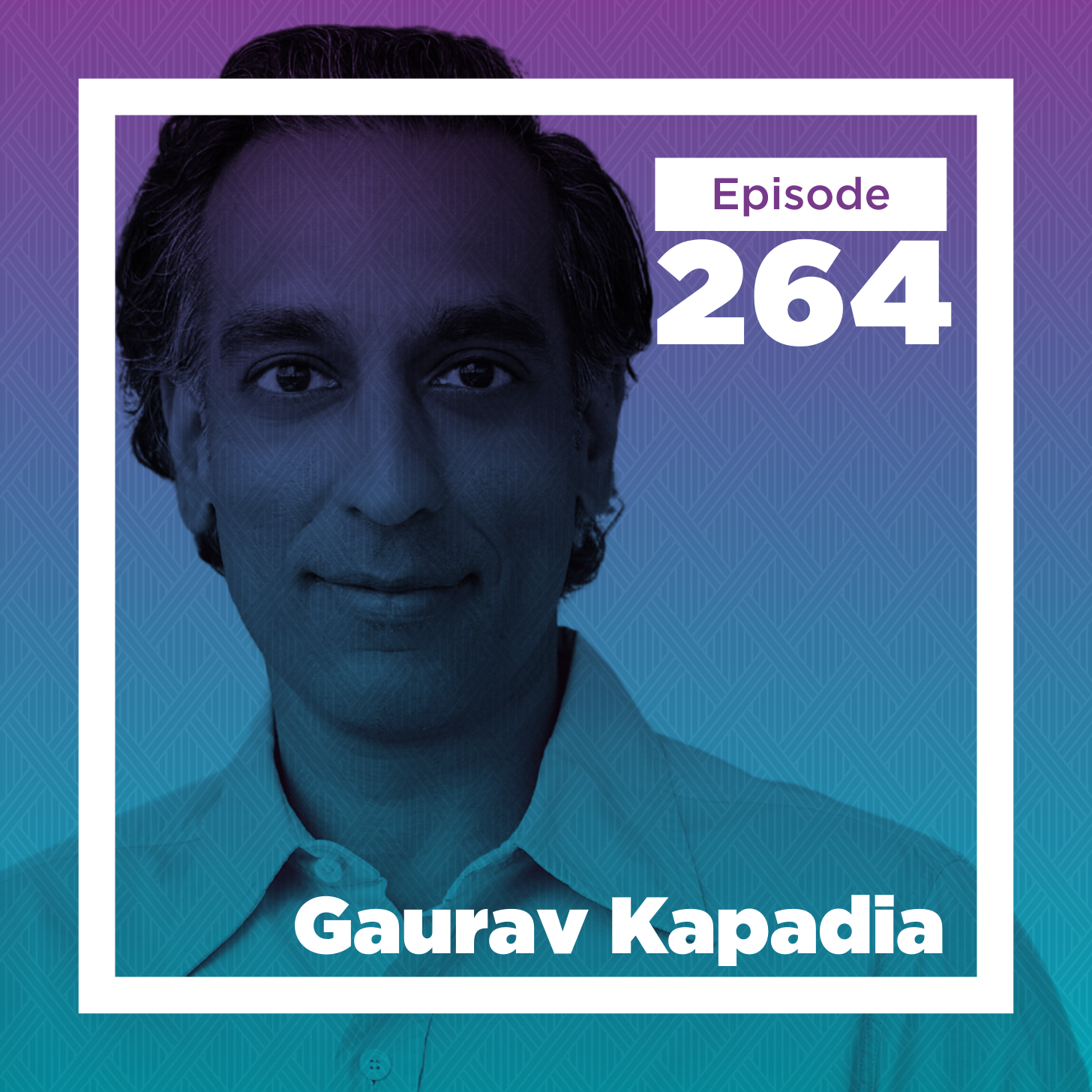
Gaurav Kapadia argues art collecting is an intellectual exercise that strengthens investing. It's not about financial returns but about exercising the 'right brain' and, crucially, developing one's own taste and judgment. This is a critical soft skill for making high-conviction investments without relying on others' opinions.
John Arnold used market making as an intelligence-gathering tool. Beyond the bid-ask spread, providing liquidity gave him a unique view into market flows, who was positioning where, and the underlying psychology of other traders. This informational advantage was key to forming his own proprietary views.
Experienced VCs may transition from rigid analytical frameworks to an intuitive search for outliers. Instead of asking if a business plan 'makes sense,' they look for unusual qualities that challenge their worldview and hint at massive potential.
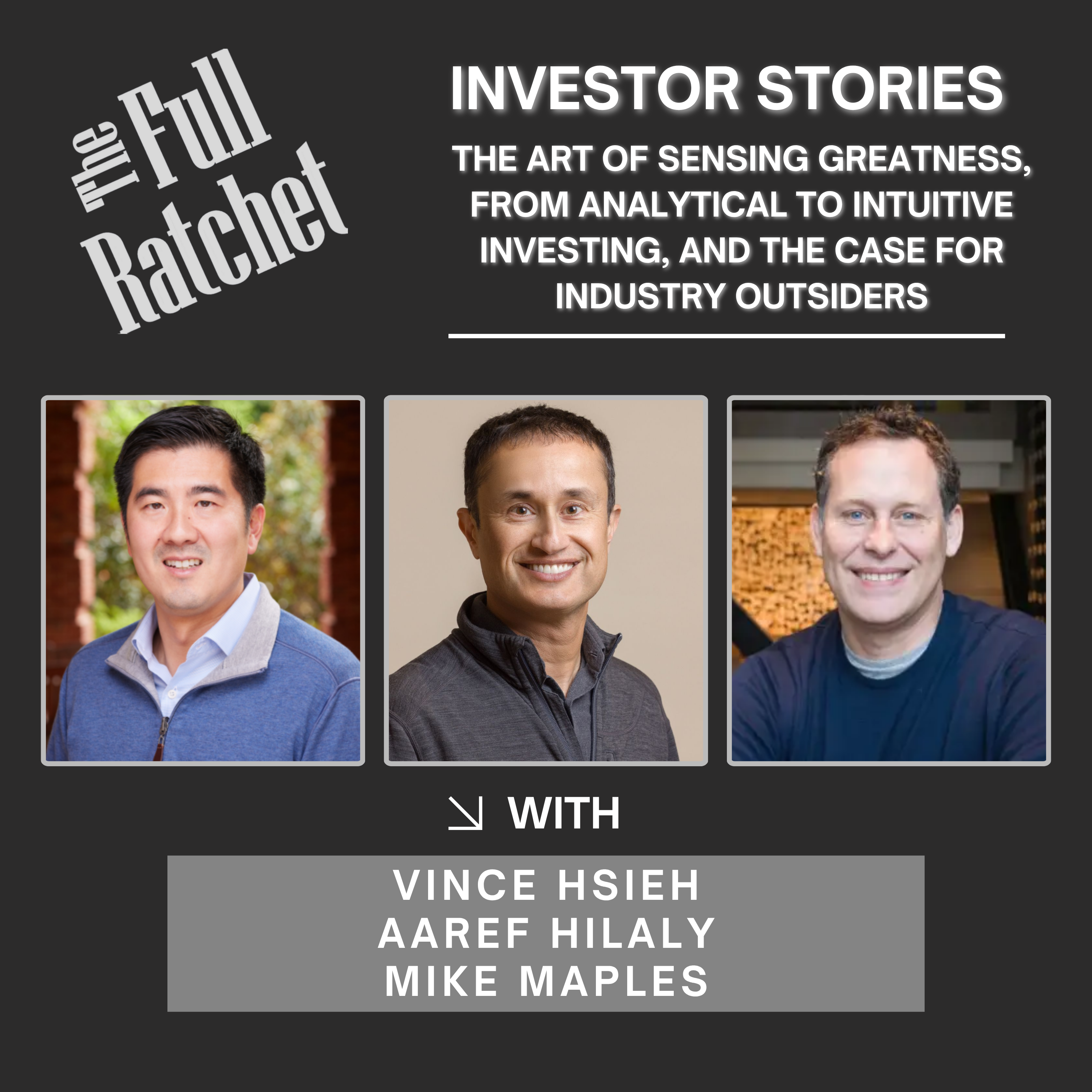
Genuine passion for a sector like consumer goods isn't a soft skill; it's a competitive advantage. It allows an investor to develop an intuition and flywheel for identifying great opportunities, building ecosystem relationships, and quickly discerning serious players from industry "tourists."

Chris Dixon's early career in quant trading, while not his passion, provided a deep understanding of market mechanics and high-performance computing, which later informed his entrepreneurial and investing ventures, especially in crypto.
