Get your free personalized podcast brief
We scan new podcasts and send you the top 5 insights daily.
Ed Seykota's quote, "Win or lose, everyone gets what they want out of the market," suggests a profound psychological truth. Some people are not motivated by profit but by the thrill of risk and loss itself. For them, losing money fulfills a subconscious need, making the loss a form of 'winning.'

Related Insights
When asked about his primary motivation, David Beckham revealed that the "depressing" feeling of losing is a more powerful driver than the joy of winning. This loss aversion applies to everything, from World Cup matches to friendly games of checkers, highlighting a key psychological trait of many elite performers.

The concept of a 'risk-loving' investor is a myth. These individuals are simply exceptionally skilled at psychologically minimizing perceived risks to justify their decisions. They convince themselves the risk is far less than it truly is in order to pursue the reward.
![John Kim - How to Raise a Few Billion Dollars - [Invest Like the Best, EP.482] thumbnail](https://megaphone.imgix.net/podcasts/78e0a26e-7f00-11f1-b43d-f79b97e3a2f1/image/5948c7e5d07d7d7947673fcc8f67e552.jpg?ixlib=rails-4.3.1&max-w=3000&max-h=3000&fit=crop&auto=format,compress)
Top investors experience an "asymmetry of emotion." The pleasure of significant gains is muted—a feeling of satisfaction rather than euphoria. However, the pain of losing capital, particularly during irrational market events, is disproportionately intense, driven by the responsibility of managing other people's money.
Molly observed that extremely wealthy players reacted to losses with disproportionate fear and anger, despite the amounts being trivial to their net worth. This reveals that for high-achievers, losing triggers a deep-seated fear of losing control, making it a powerful psychological threat, not just a financial one.

A cognitive bias called the "disposition effect" makes it psychologically painful to realize a loss, but feels good to lock in a profit. This leads investors to irrationally hold onto declining assets hoping for a rebound while selling rising ones too early, regardless of their future potential.

The psychological profile of a die-hard investor mirrors a poker player: they believe they're smarter than everyone else and are actively working to take money from others. Understanding this emotional, competitive drive—rather than assuming pure rationality—is key to navigating narrative-driven markets fueled by hype.

Based on Daniel Kahneman's Prospect Theory, once investors feel they are losing money, their behavior inverts. Instead of cutting losses, they adopt a "double or nothing" mentality, chasing high-risk gambles to escape the psychological pain of loss.

The pain of a loss feels twice as intense as the pleasure of an equivalent gain. This biological trait, "loss aversion," predictably causes investors to sell at the bottom to stop the pain. This isn't a moral failing but a psychological feature that reliably transfers wealth to disciplined buyers who can withstand the discomfort.

We focus on how to win, but failure is inevitable. How you react to loss determines long-term success. Losing money triggers irrational behavior—chasing losses or getting emotional—that derails any sound strategy. Mastering the emotional response to downswings is the real key.

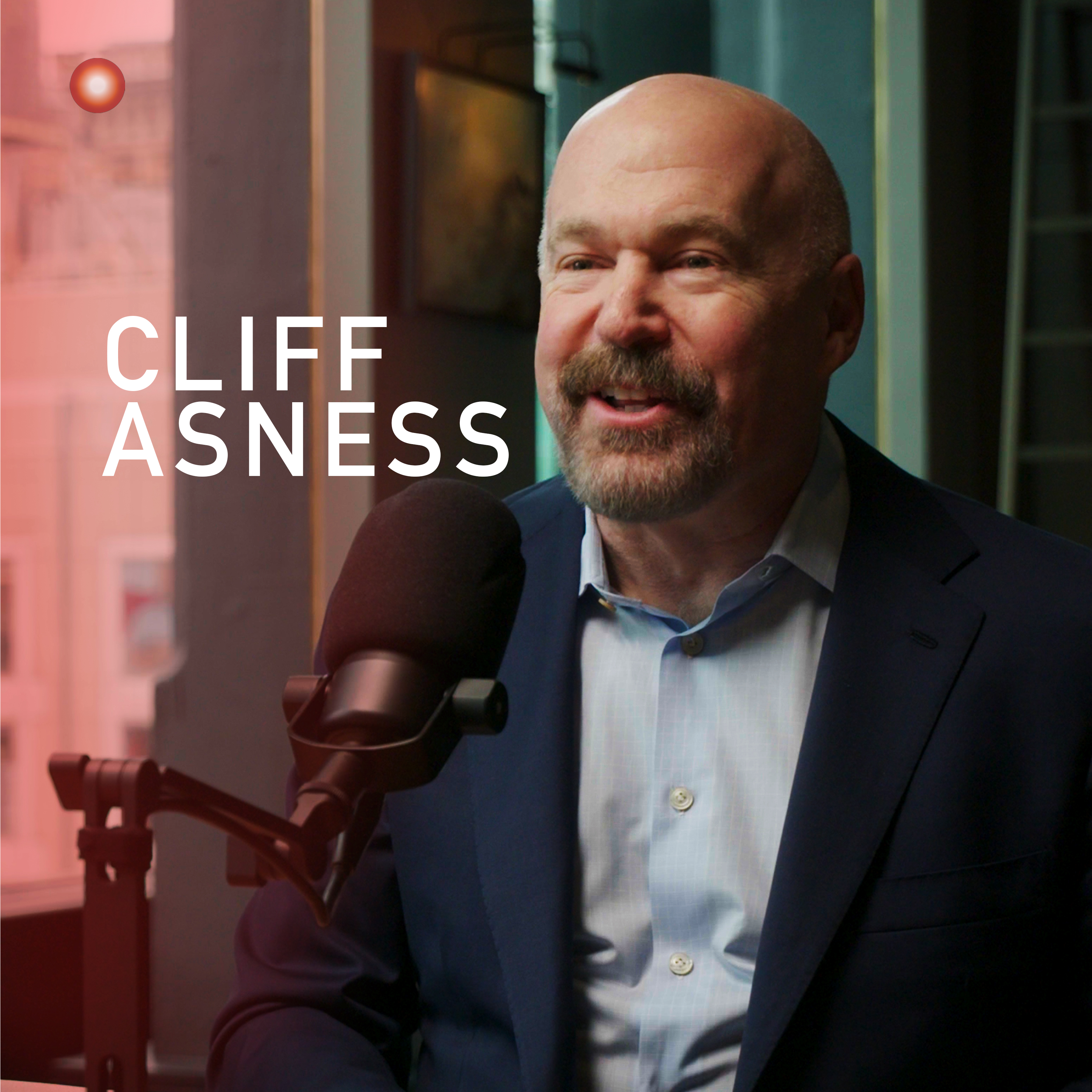
Despite rational strategies, top quant Cliff Asness confesses to feeling the emotional sting of losses far more intensely than the pleasure of gains, a classic example of prospect theory in action. This human element persists even at the highest levels of quantitative finance.