Get your free personalized podcast brief
We scan new podcasts and send you the top 5 insights daily.
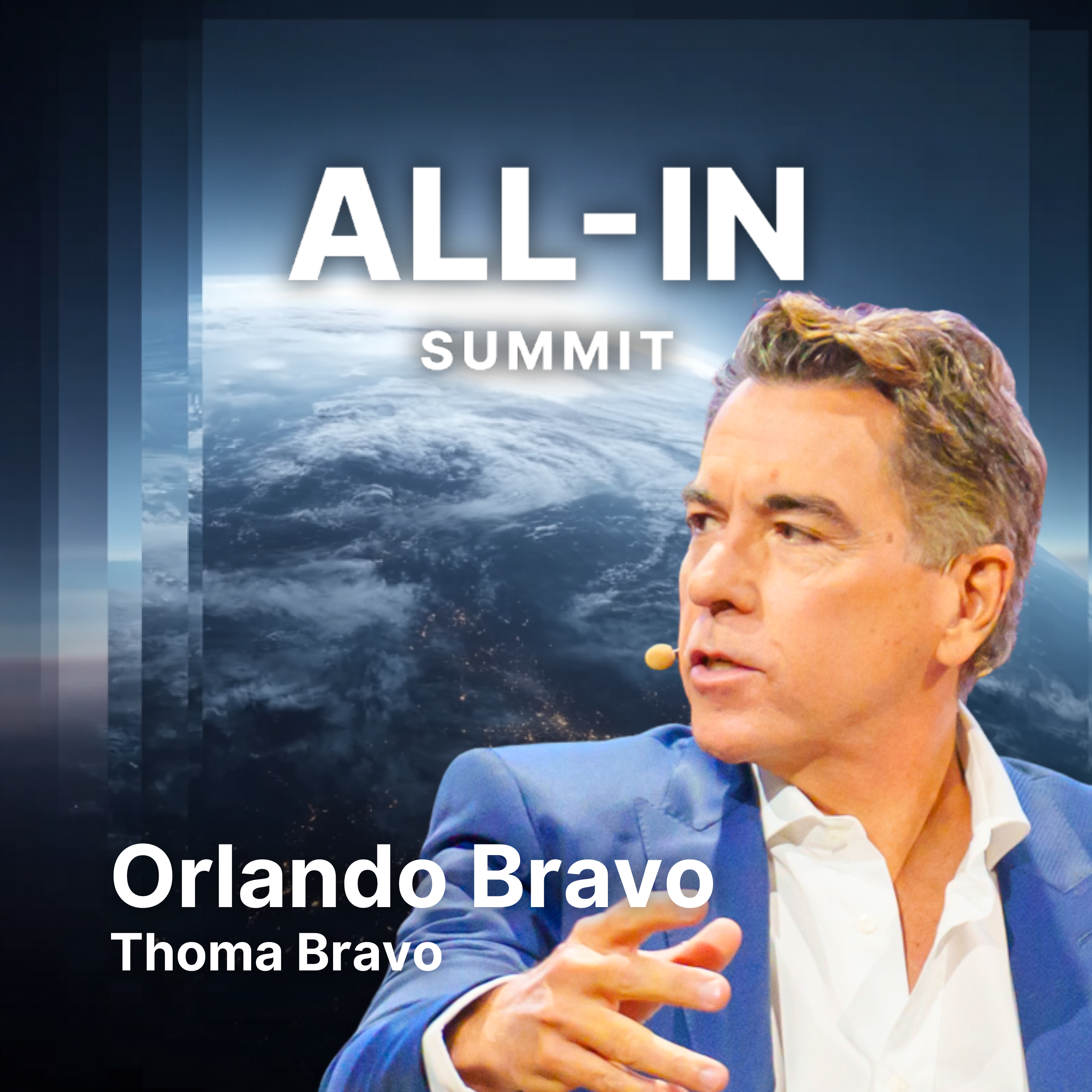
Contrary to the typical founder narrative of invention, Orlando Bravo emphasizes that his career was built on execution and disciplined learning. He actively listened to his mentors, absorbing their playbooks rather than trying to invent his own, suggesting apprenticeship can be a faster path to success.
Related Insights
Before acquiring a company, the most valuable preparation is to work as a "right-hand person" to an existing small business owner. This apprenticeship provides crucial, ground-floor experience with the operational realities that financial models and spreadsheets completely miss.

A mentor isn't someone who provides step-by-step instructions. The most powerful learning comes from finding someone you admire and closely observing their every move, how they speak, and how they behave in the face of obstacles, rather than seeking direct guidance.

Consuming podcasts and books is mental gymnastics unless it leads to a change in your actions. The goal of learning from successful people is not just to acquire knowledge, but to actively apply their lessons to alter your own behavior and business practices.

Waiting for perfect data leads to paralysis. A core founder skill is making hard decisions with incomplete information. This 'founder gut' isn't innate; it's developed by studying the thought processes—not just the outcomes—of experienced entrepreneurs through masterminds, advisors, or podcasts.

Orlando Bravo's first deals as a young PE professional were a catastrophe, with two going to zero. His mentor, Carl Thoma, gave him a second chance but with a crucial lesson: you can make mistakes, but you cannot make the same *type* of mistakes again.

Truly great ideas are rarely original; they are built upon previous work. Instead of just studying your heroes like Buffett or Jobs, research who *they* studied (e.g., Henry Singleton, Edwin Land). This intellectual genealogy uncovers the timeless, foundational principles they applied.
Rapid startup success stories are misleading. A company's quick victory is almost always the result of its founder's decade-long journey of grinding, learning, and failing. The compounding effect of skills, credibility, and network building is the true engine behind the breakthrough moment.
The founder hired an experienced CEO and then rotated through leadership roles in different departments (brand, product, tech). This created a self-designed, high-stakes apprenticeship, allowing him to learn every facet of the business from experts before confidently retaking the CEO role.

The young founder hired an experienced executive who became a mentor and effectively his boss. He learned more from observing this leader's actions—how he interacted with people and approached problems—than from direct instruction. This demonstrates the power of learning through osmosis from seasoned operators.
Seeing an existing successful business is validation, not a deterrent. By copying their current model, you start where they are today, bypassing their years of risky experimentation and learning. The market is large enough for multiple winners.
