Get your free personalized podcast brief
We scan new podcasts and send you the top 5 insights daily.
Simply listing AI tools on a resume is insufficient. Graduates must enter interviews prepared to articulate exactly how they've used AI to solve problems relevant to the job function, such as analyzing media budgets for a brand manager role. This demonstrates practical AI literacy and direct value.

Related Insights
For roles like marketing and PR, mastering the basics of AI—what it is, its capabilities, and how to identify use cases—is more impactful than deep technical skill. This foundational knowledge alone is a significant competitive advantage, placing professionals far ahead of their peers in the current landscape.
Instead of searching for new "AI" job titles, non-coders should focus on applying AI capabilities to traditional roles like marketing or sales. Companies are prioritizing existing positions but now require AI fluency, such as building custom GPTs or using AI assistants, as a core competency.
Theoretical knowledge is now just a prerequisite, not the key to getting hired in AI. Companies demand candidates who can demonstrate practical, day-one skills in building, deploying, and maintaining real, scalable AI systems. The ability to build is the new currency.

The most compelling way to demonstrate AI skills to an employer is to build something. Creating custom GPTs for personal productivity or simple apps proves practical problem-solving ability far more effectively than a list of certifications on a resume.

A top VC's most important interview question is now "How have you used AI in your daily life this week?" The key is identifying individuals who are running towards the new technology and embracing change. This mindset is uncorrelated with age or seniority, making it the most critical hiring signal.

To assess a product manager's AI skills, integrate AI into your standard hiring process rather than just asking theoretical questions. Expect candidates to use AI tools in take-home case studies and analytical interviews to test for practical application and raise the quality bar.

To build an AI-native team, shift the hiring process from reviewing resumes to evaluating portfolios of work. Ask candidates to demonstrate what they've built with AI, their favorite prompt techniques, and apps they wish they could create. This reveals practical skill over credentialism.

To pivot into an AI PM role without direct experience, create a case study by analyzing a past project you shipped. Articulate how AI could have enabled different features, improved outcomes, or changed the approach. This demonstrates applied thinking and initiative to recruiters.

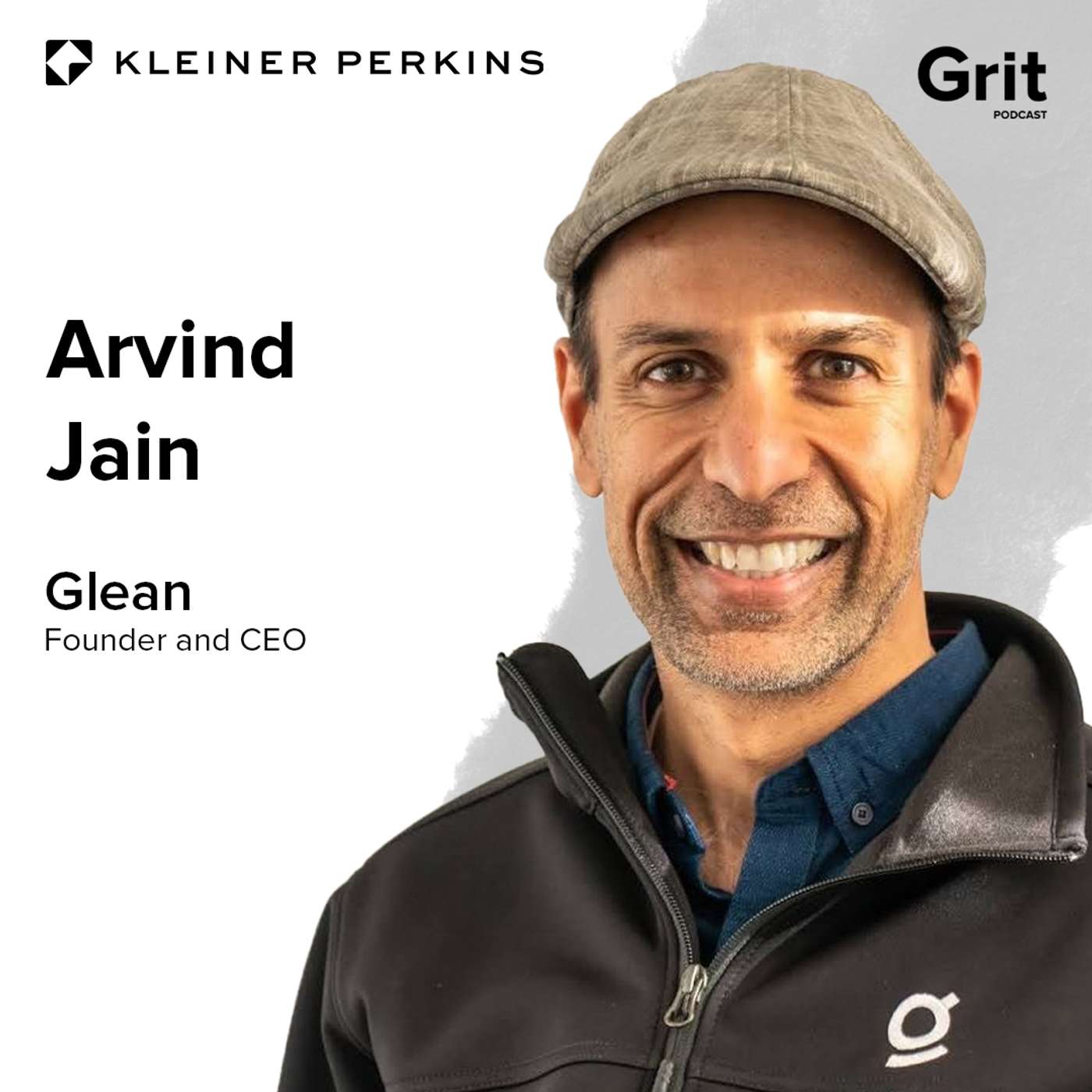
Glean has updated its interview process to screen for "AI fluency" across all departments. They don't expect expertise. Instead, they test for curiosity and initiative by asking candidates how they've personally used AI, looking for a mindset that embraces new ways of working.
Reid Hoffman advises young people to leverage their familiarity with AI as a core career asset. They should approach companies with the pitch: "I'm an AI native. You need an AI transformation. Here's how I can help." This positions them as essential talent for the future.
