Get your free personalized podcast brief
We scan new podcasts and send you the top 5 insights daily.
Rickson Gracie states that 80% of new jiu-jitsu students quit within six months, largely due to being thrown into brutal sparring too early. His solution is to focus exclusively on technique and partnership for the first year, arguing this builds a strong foundation and prevents burnout for non-competitors.

Related Insights
Top performers like jiu-jitsu champion Marcelo Garcia avoid staying in a state of moderate, constant stress (a 'simmering six' out of ten). Instead, they master dropping to zero (deep rest) and exploding to ten (full engagement) only when needed, conserving energy and preventing burnout.

To sustain motivation for a new skill, the practice must be intrinsically rewarding. A guitarist struggled with a teacher focused on classical etudes but thrived with one who immediately taught her songs connected to her late father. The goal shifted from a future achievement to an immediate, emotionally fulfilling experience, making the practice itself the payoff.

After panicking from claustrophobia in a match, a young Rickson Gracie made his brother roll him tightly in a carpet for 10-minute intervals. By repeatedly and deliberately subjecting himself to this intense discomfort, he systematically de-conditioned his panic response and conquered the fear.
The vast majority of people abandon new initiatives—podcasts, courses, newsletters—within months. By maintaining consistency long after the initial excitement fades, you gain a significant competitive advantage over more talented but less persistent peers. Your superpower is endurance.

During his first professional fight, Rickson Gracie was exhausted and his mind was screaming at him to quit. He was forced back in and won moments later, teaching him that his greatest enemy was his own internal voice of defeat, a trick he vowed never to fall for again.
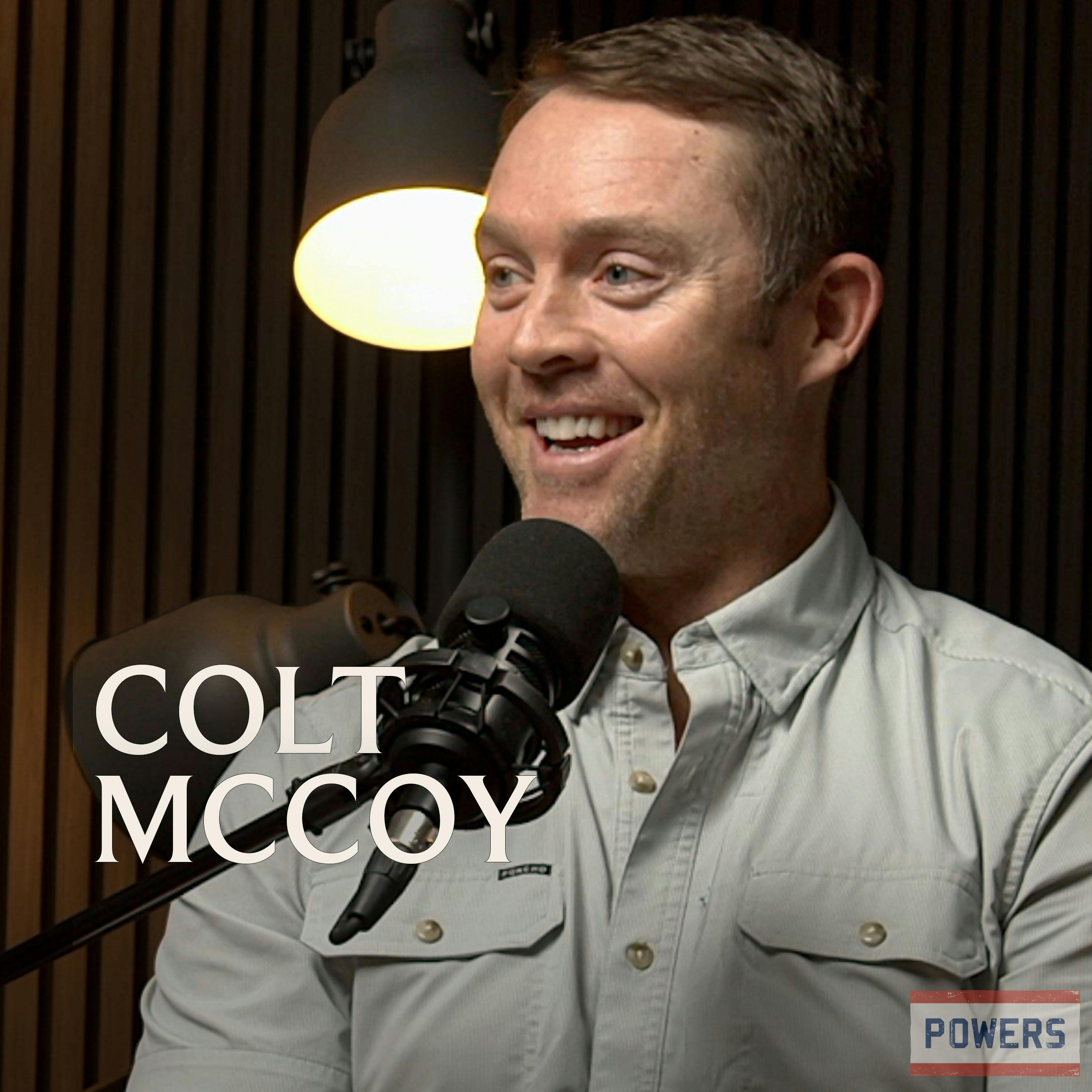
By not playing organized tackle football until 7th grade, Colt McCoy's anticipation and excitement for his first game were immense. This delay prevented the burnout common among children who start specialized sports early, making the experience more meaningful and cementing his love for the game.
Rickson Gracie's father taught him that a good teacher can explain techniques perfectly, but an excellent teacher acts as a psychologist. They must first understand what an individual student truly needs to learn—whether it's confidence, discipline, or a specific skill—and tailor the lesson accordingly.
Long-term success depends less on initial enthusiasm and more on "frustration tolerance"—the ability to endure boredom, repetition, and rejection without quitting. This is not an innate trait but a trainable skill that grows as you force yourself to persist through unenjoyable but necessary tasks.

To fight without fear in no-rules combat, Rickson Gracie fully accepted the possibility of death before every match. He compares this mindset to that of a firefighter or police officer, who cannot perform their duties effectively if they don't first embrace the inherent risks of their job.
Instead of gradually easing into a new skill, jump in completely to get an immediate, honest assessment of your abilities. This “cannonball” approach bypasses the procrastination of playing it safe and provides a clear starting point for targeted improvement, especially when training with experts.
