Get your free personalized podcast brief
We scan new podcasts and send you the top 5 insights daily.
For fit patients with technically stage IV gastroesophageal cancer but limited disease (e.g., only non-regional lymph nodes), a curative-intent approach is viable. This involves initial systemic biomarker-driven therapy, followed by multidisciplinary reassessment and potential consolidation with radiation or surgery on any residual disease sites.
Related Insights
Comprehensive molecular testing (PD-L1, EGFR, ALK) is no longer reserved for advanced disease. It is now critical for all patients with stage 1B or higher resectable NSCLC *before* starting any treatment to guide neoadjuvant and adjuvant therapy decisions.
Achieving a pathologic complete response (path CR) in the bladder after neoadjuvant therapy is a marker of drug efficacy, not a signal to stop treatment. Because patients die from metastatic, not local, disease, a path CR should be seen as a reason to "double down" on the effective systemic therapy to eradicate micrometastases.

Contrary to the typical prognosis for metastatic cancers, a subset of patients with metastatic squamous cell carcinoma of the anal canal can be cured. This potential, especially in cases with limited disease burden like lymph node-only metastases, calls for an aggressive, multidisciplinary treatment approach rather than a purely palliative one.
Both experts advocate shifting immune cell engager use from late-stage, high-burden cancer to a minimal residual disease (MRD) setting. Treating a low tumor load maximizes the effector-to-target ratio, enhances efficacy, and significantly reduces side effects, potentially moving these therapies to first-line combinations.

For patients with conventionally negative imaging but positive PSMA PET scans (oligometastatic disease), continuous intensified therapy may be overtreatment. A new paradigm involves metastasis-directed therapy followed by a short course of escalated treatment, then stopping to observe. This "time-limited" approach balances efficacy with reducing long-term treatment burden.
The presence of heterogeneous resistance mutations, some of which may be below detection limits, suggests a new strategy. Using a potent, broad-spectrum combination therapy upfront in the second-line setting, rather than sequential monotherapies, could eradicate more resistant clones and give patients a better chance at long-term survival or even a cure.

For patients with limited disease progression (oligoprogression) where radiation is the planned treatment, a repeat biopsy may be unnecessary. The result is unlikely to alter the immediate management plan, making the invasive procedure's risk-benefit ratio unfavorable in this specific clinical context.
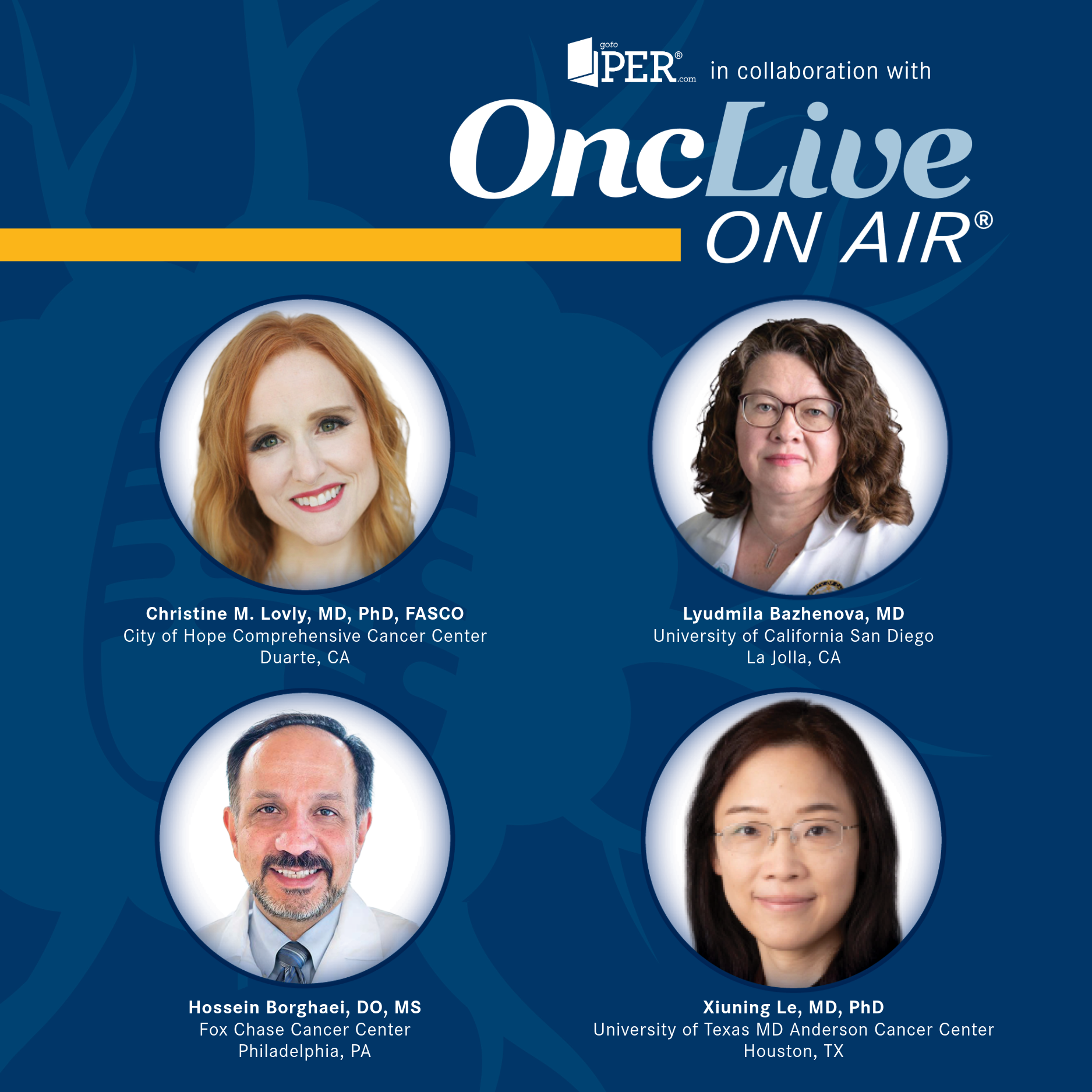
Clinicians advise against continuing targeted agents like zolbituximab or trastuzumab after disease progression in gastroesophageal cancer. The biological heterogeneity of this cancer type means that if a targeted therapy isn't working, it's unlikely to provide benefit with a different chemotherapy backbone.
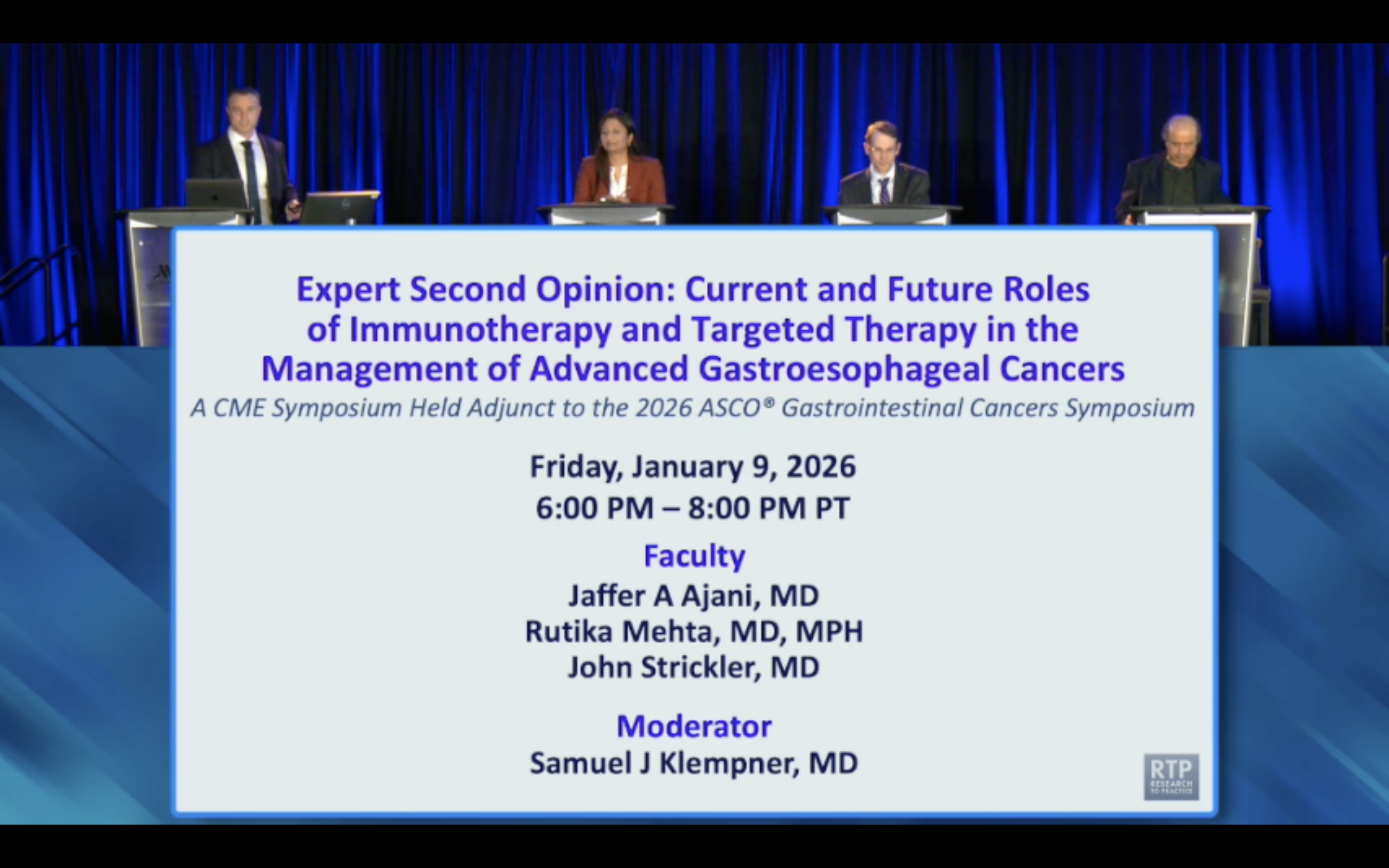
In the increasingly common scenario of a patient with multiple positive biomarkers, a clear hierarchy exists for treatment decisions. Based on the robustness and maturity of clinical trial data, HER2-directed therapy is the top priority, followed by PD-L1 immunotherapy, with Claudin-18.2 targeting considered third.
Patients with technically stage IV but low-volume, oligometastatic gastric cancer may benefit from an aggressive approach. This involves powerful systemic therapy followed by reassessment and potential local consolidation, such as radiation to any remaining viable disease sites, challenging traditional palliative approaches.