Get your free personalized podcast brief
We scan new podcasts and send you the top 5 insights daily.
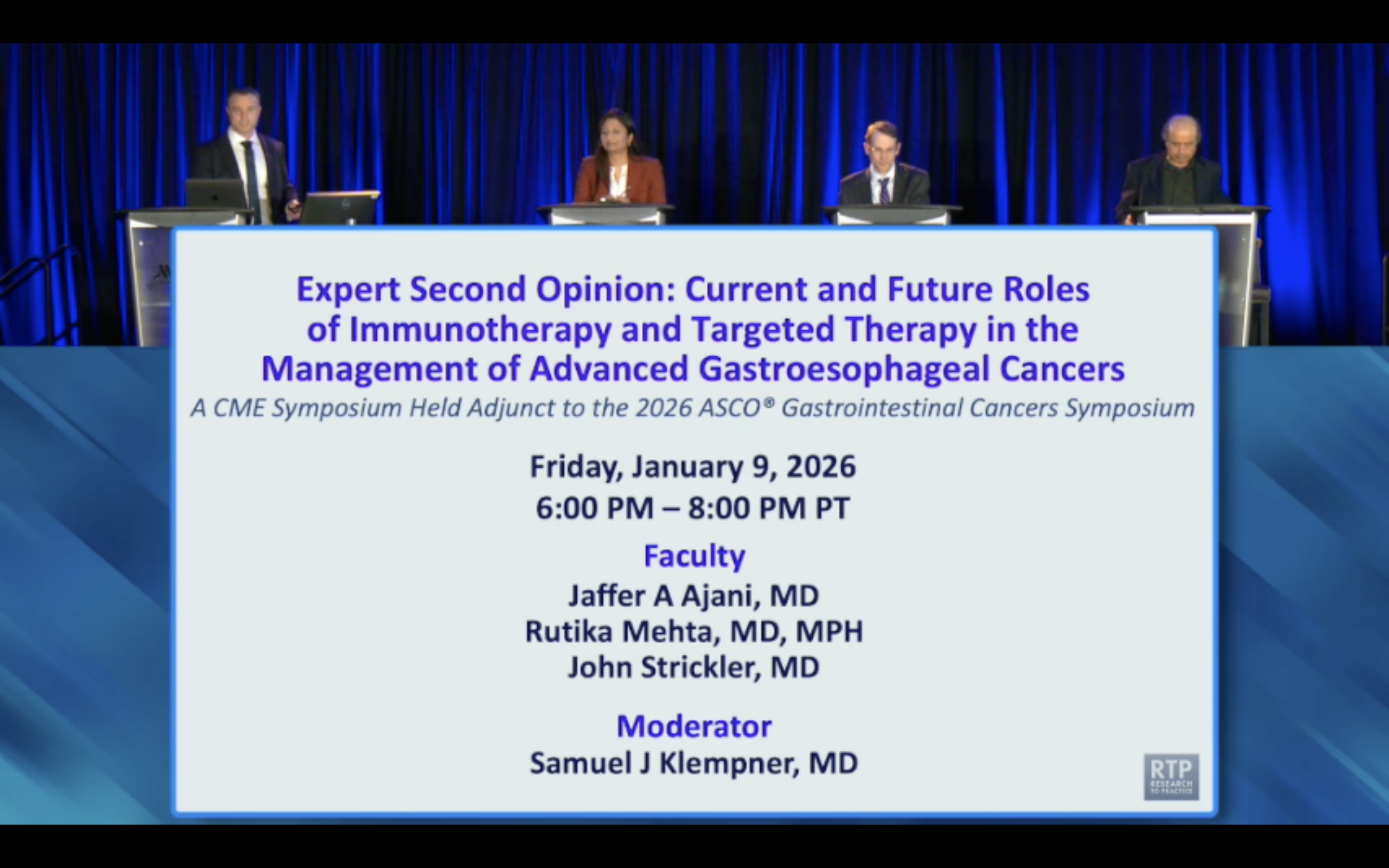
Patients with technically stage IV but low-volume, oligometastatic gastric cancer may benefit from an aggressive approach. This involves powerful systemic therapy followed by reassessment and potential local consolidation, such as radiation to any remaining viable disease sites, challenging traditional palliative approaches.
Related Insights
Following high response rates to systemic therapies like EV Pembro, using radiation for bladder preservation is now questioned. It may constitute overtreatment by radiating a now cancer-free organ, while providing no benefit for the systemic micrometastases that are the primary driver of mortality.

Clinicians are concerned about the overuse of Stereotactic Body Radiation Therapy (SBRT) for oligoprogressive disease, a practice dubbed 'Pokemon' (gotta catch 'em all). This approach of sequentially radiating new lesions can delay the start of more effective systemic therapies and is not considered a standard of care.
Unlike traditional chemotherapy, radioligand therapy's toxicity may be inversely correlated with tumor volume. In low-burden disease, fewer cancer cells act as a 'sink' for the drug, potentially leading to higher radiation exposure and side effects in healthy, PSMA-expressing tissues like salivary glands.
An expert argues the path to curing metastatic cancer may mirror pediatric ALL's history: combining all highly active drugs upfront. Instead of sequencing treatments after failure, the focus should be on powerful initial regimens that eradicate cancer, even if it means higher initial toxicity.
For frail elderly patients with HER2+ gastric cancer, starting with targeted therapy and immunotherapy alone can gauge response and tolerance. Cytotoxic chemotherapy can be added later if the patient's performance status improves, distinguishing disease-related frailty from baseline comorbidities.
For patients with otherwise well-controlled disease who develop isolated oligoprogression in the brain, evidence suggests a better survival outcome from adding local therapy (like SRS) and continuing the current effective systemic therapy, rather than switching the systemic regimen entirely.
Historically, intratumoral therapy was limited by the physical difficulty of reaching tumors. The rise of a new discipline, Interventional Oncology, has largely solved this access problem. The critical bottleneck is now the lack of drugs specifically designed and optimized for local delivery and sustained retention within the tumor.

High relapse rates (~70%) in surgery-alone arms of recent trials suggest most patients with muscle-invasive bladder cancer (MIBC) already have micrometastatic disease. This reframes the disease, prioritizing early systemic therapy over immediate surgery to achieve control and potential cure.
Dr. Radvanyi advocates for a paradigm shift: treating almost all cancers with neoadjuvant immunotherapy immediately after diagnosis. This "kickstarts" an immune response before standard treatments like surgery and chemotherapy, which are known to be immunosuppressive, can weaken the patient's natural defenses against the tumor.

Clinicians advise against continuing targeted agents like zolbituximab or trastuzumab after disease progression in gastroesophageal cancer. The biological heterogeneity of this cancer type means that if a targeted therapy isn't working, it's unlikely to provide benefit with a different chemotherapy backbone.