Get your free personalized podcast brief
We scan new podcasts and send you the top 5 insights daily.
In capital-intensive "hard tech" industries like aerospace, catastrophic failures are framed as a normal part of the innovation process. When Blue Origin's rocket exploded, the conversation immediately turned to Elon Musk's three consecutive Falcon 1 failures, positioning the event not as an outlier but as a rite of passage for ambitious projects.

Related Insights
Blue Origin's recent mission failure is not an anomaly. Even mature players like SpaceX have experienced similar issues, such as losing Starlink satellites or destroying a Facebook satellite in 2016. These events highlight that orbital mishaps are a recurring and expected part of the space business.
While competitors analyze exhaustively before building, SpaceX invests upfront in prototypes to discover problems that analysis can't predict. This treats reality as the primary validation tool, using failures as data points to eliminate uncertainty through doing, not just planning.

While capital and talent are necessary, the key differentiator of innovation hubs like Silicon Valley is the cultural mindset. The acceptance of failure as a learning experience, rather than a permanent mark of shame, encourages the high-risk experimentation necessary for breakthroughs.

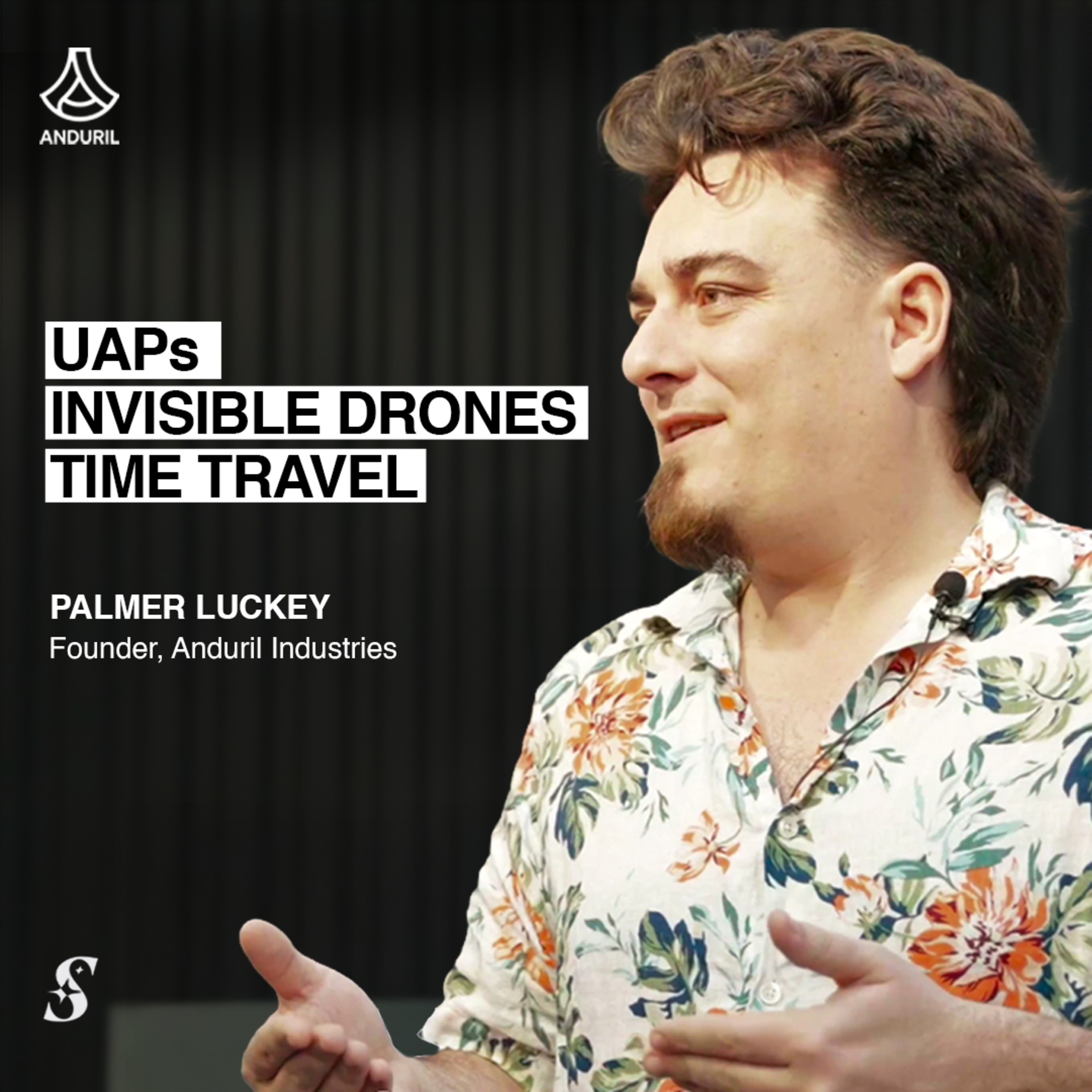
Palmer Luckey argues that journalists often misrepresent necessary R&D failures (like small, controlled fires on test ranges) as major setbacks. These "successful failed tests" are crucial for rapid innovation but are framed as scandals for clicks, ignoring the normal realities of hardware development.
A catastrophic rocket failure is more damaging for a pure-play launch company like Blue Origin. Competitor SpaceX mitigates this risk with diversified revenue streams from Starlink and AI, making its overall business more resilient to setbacks in any single division.
SpaceX manages its aggressive "fail fast" culture by creating distinct risk profiles. Development projects like Starship are intentionally pushed to failure for learning. In contrast, operational, human-rated systems like Dragon are built with massive safety margins and exhaustive, conservative testing.
Even with a catastrophic failure of its New Glenn rocket, Blue Origin is considered America's 'second best' launch provider, yet it is still more advanced than any other international competitor, showcasing the country's deep lead in space technology.
AstroForge's CEO Matt Gialich champions radical transparency, especially after setbacks. When their Odin mission failed, the company published detailed articles explaining exactly what went wrong and how they planned to fix it. This approach builds trust with stakeholders and institutionalizes learning from mistakes.

The controversial WSJ quote "We do fail a lot" should be embraced by Anduril. It frames failure as a key part of rapid, venture-backed R&D, distinguishing its agile culture from the slower, risk-averse model of traditional taxpayer-funded defense contractors.

A high production rate is a core R&D tool for SpaceX, not just a manufacturing goal. By creating a "hardware rich" environment with abundant, cheaper prototypes, it enables an aggressive build-test-learn cycle. Failure becomes a low-cost data-gathering exercise, not a catastrophic setback.