Get your free personalized podcast brief
We scan new podcasts and send you the top 5 insights daily.
Instagram’s automatic reel translation feature leverages AI to clone speech patterns and visibly alter mouth movements into languages like Japanese or Portuguese. However, it fails to alter burned-in captions or video text, leaving non-native viewers stranded if sound is off.

Related Insights
The biggest challenge in video dubbing is that sentence structures differ across languages, causing lip movements to mismatch. The future of this technology will involve not just translating voice and emotion, but also automatically re-animating the speaker's lips to align perfectly with the newly generated audio.

While text-based AI models struggle with non-English languages, the problem is exponentially worse for audio models. The lack of diverse, high-quality audio training data (across ages, genders, topics) in various languages is a critical bottleneck for companies aiming for global adoption of audio-first AI.

A non-obvious failure mode for voice AI is misinterpreting accented English. A user speaking English with a strong Russian accent might find their speech transcribed directly into Russian Cyrillic. This highlights a complex, and frustrating, challenge in building robust and inclusive voice models for a global user base.

When localizing video content, don't default to voice cloning. UiPath found that dubbing with a pre-canned native voice often sounds more natural than cloning, especially when crossing language families (e.g., English to an Asian language). Experimentation is key.

Translating languages effectively in AI is less about scientific accuracy and more about cultural nuance and "policy alignment." Getting details right for native speakers is crucial, which is why local vendors often outperform global giants, as they possess the deep linguistic and cultural expertise required.
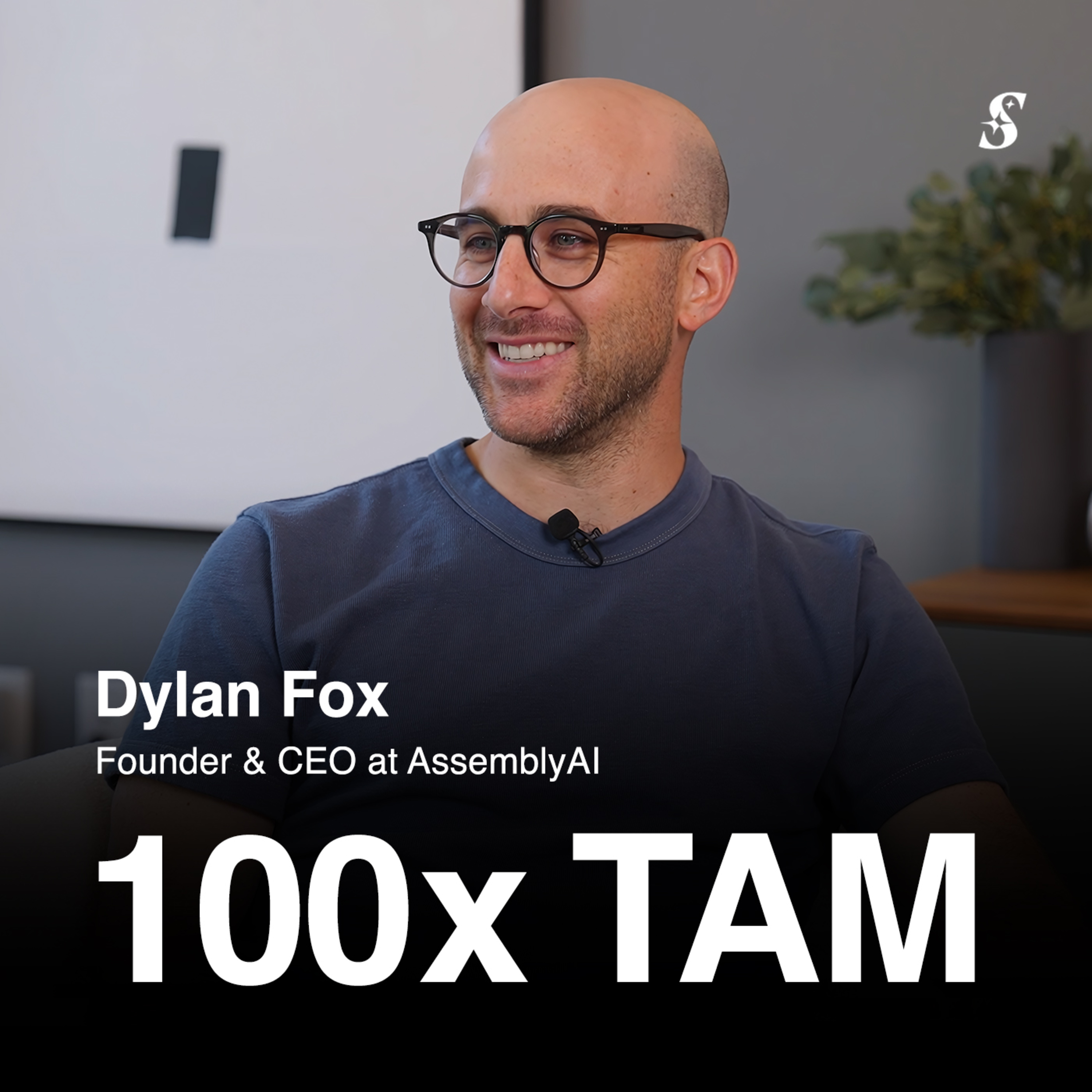
An AI company is revolutionizing movie dubbing by analyzing the emotion in an actor's voice (e.g., angry, happy) and replicating that tone in the target language. This creates a more authentic viewing experience than traditional dubbing, which often sounds wooden and disconnected.

By using Grok to automatically translate posts, X is dissolving the language barrier between its Japanese and American users. This has unlocked a vast new content pool, allowing trends, humor, and cultural moments from Japan's highly active user base to go viral in the US for the first time.
Language barriers have historically limited video reach. Meta AI's automatic translation and lip-sync dubbing for Reels allows marketers to seamlessly adapt content for different languages, removing the need for non-verbal videos or expensive localization and opening up new international markets.
Instagram's AI translation goes beyond captions; it dubs audio, alters the speaker's voice, and syncs lip movements to new languages. This allows creators to bypass the language barrier entirely, achieving the global reach previously reserved for silent or universally visual content without requiring additional production effort or cost.
Creators historically flashed dense text paragraphs on screen for a split second to force viewers to replay or pause reels, gaming retention metrics. Instagram is now actively penalizing this practice by suppressing distribution and showing those posts to fewer people. To avoid algorithmic demotion, on-screen text must remain visible long enough to be read aloud comfortably, distinguishing legitimate reading pace from manipulative rewatch tactics.