Get your free personalized podcast brief
We scan new podcasts and send you the top 5 insights daily.
The value of adopting a popular open-source agent framework extends beyond code contributions. The growing community creates a shared pool of resources, documentation, lessons learned, and pre-built skills, accelerating the learning curve and capability development for all users, not just developers.

Related Insights
In the emerging AI agent space, open-source projects like 'Claude Bot' are perceived by technical users as more powerful and flexible than their commercial, venture-backed counterparts like Anthropic's 'Cowork'. The open-source community is currently outpacing corporate product development in raw capability.

By open-sourcing its model, Boltz created a feedback loop where the community discovered novel use-cases, like a crude but effective "inference-time search" for antibody prediction. This demonstrates how open access allows external users to find creative applications the original developers hadn't considered.
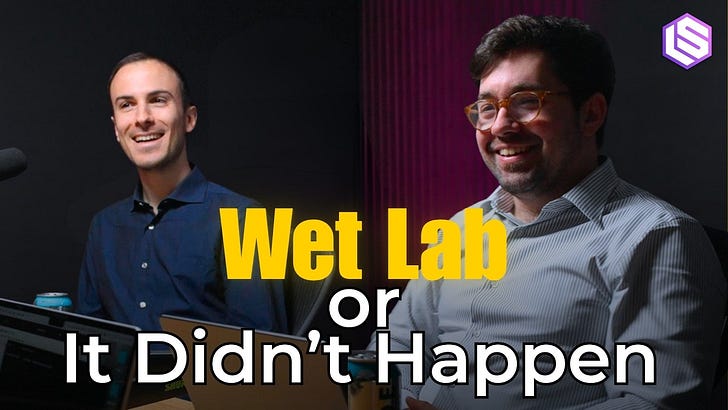
The most significant productivity gains come from applying AI to every stage of development, including research, planning, product marketing, and status updates. Limiting AI to just code generation misses the larger opportunity to automate the entire engineering process.

A major trend in AI development is the shift away from optimizing for individual model releases. Instead, developers can integrate higher-level, pre-packaged agents like Codex. This allows teams to build on a stable agentic layer without needing to constantly adapt to underlying model changes, API updates, and sandboxing requirements.

Instead of codebases becoming harder to manage over time, use an AI agent to create a "compounding engineering" system. Codify learnings from each feature build—successful plans, bug fixes, tests—back into the agent's prompts and tools, making future development faster and easier.
Instead of relying on traditional tutorials, non-technical individuals can successfully build complex AI agent teams by using a conversational AI as an interactive, patient, step-by-step coach. This approach democratizes access to advanced technology, bypassing conventional learning methods.
Using AI agents in shared Slack channels transforms coding from a solo activity into a collaborative one. Multiple team members can observe the agent's work, provide corrective feedback in the same thread, and collectively guide the task to completion, fostering shared knowledge.
Moving beyond isolated AI agents requires a framework mirroring human collaboration. This involves agents establishing common goals (shared intent), building a collective knowledge base (shared knowledge), and creating novel solutions together (shared innovation).

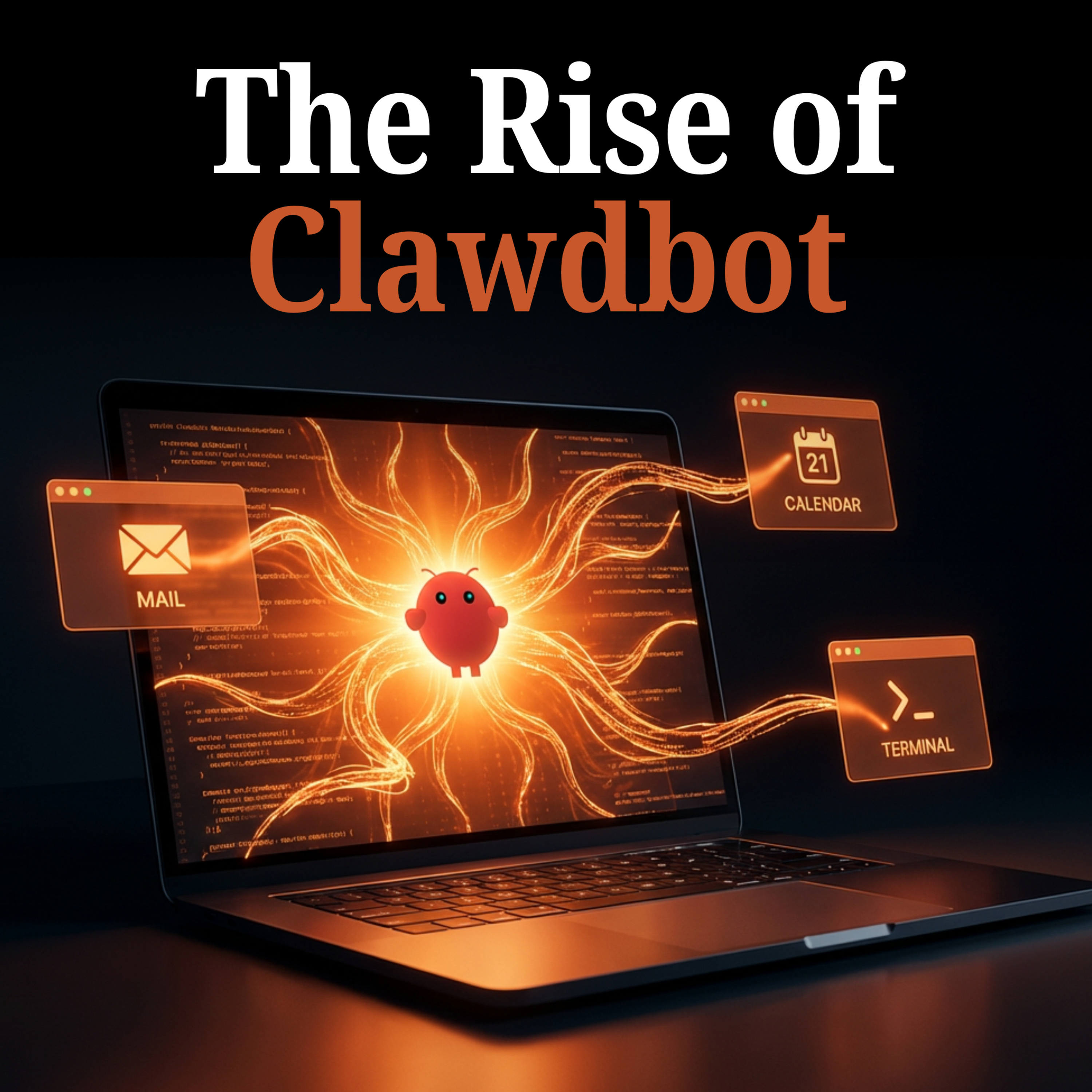
Clawdbot, an open-source project, has rapidly achieved broad, agentic capabilities that large AI labs (like Anthropic with its 'Cowork' feature) are slower to release due to safety, liability, and bureaucratic constraints.
Block's CTO believes the key to building complex applications with AI isn't a single, powerful model. Instead, he predicts a future of "swarm intelligence"—where hundreds of smaller, cheaper, open-source agents work collaboratively, with their collective capability surpassing any individual large model.
