Get your free personalized podcast brief
We scan new podcasts and send you the top 5 insights daily.
For a fintech product where errors are catastrophic, the founder prioritized co-founders with experience building accurate, scalable systems. This meant a long, deliberate 18-24 month search for specific skills from consumer fintech, rather than generic startup agility.

Related Insights
Kasser Yunus of Applied Intuition had a non-negotiable checklist for his startup idea (e.g., software margins, not easily commoditized). He patiently evaluated ideas for over a year, refusing to pursue any that didn't meet all his conditions.

Method Security's co-founders combined direct experience as a security operator (the end-user) with expertise in building security tools at the NSA (the engineer). This fusion of perspectives on the same problem created a deep, shared understanding that informed their product strategy from day one.

The Method Security co-founders spent nearly a decade sharing ideas and trying to poach each other for various ventures. By the time the right idea and technological moment arrived, the team was already a cohesive unit with proven chemistry, eliminating the major risk of founder breakups.
The founder intentionally waited years to bring on a co-founder, passing on other qualified candidates who weren't a perfect fit. Finding the right partner with a critical mix of skills (mining engineering, project finance) and pre-existing advisory relationship was a bigger priority than filling the role quickly.

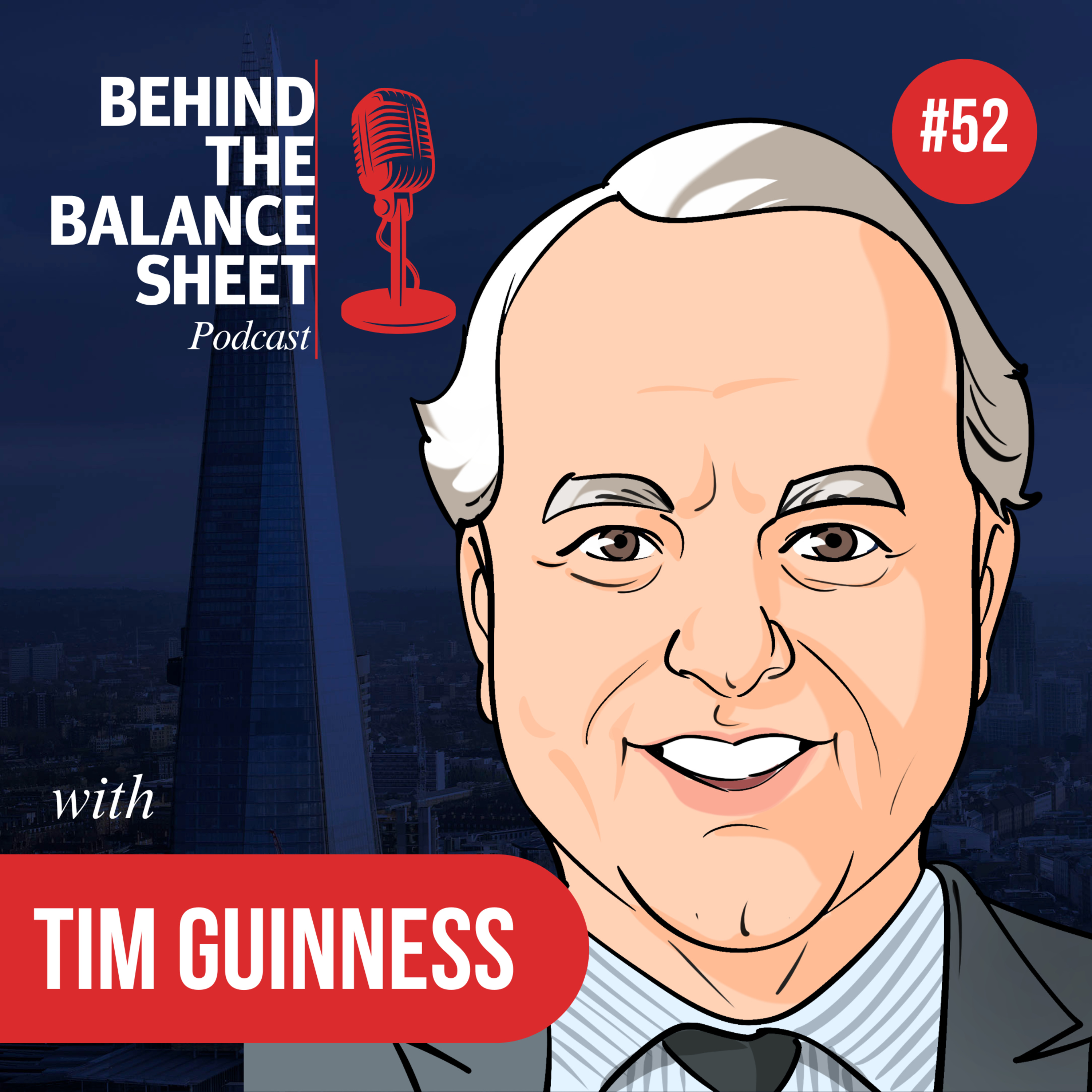
Tim Guinness prioritizes recruiting graduates with engineering degrees for investment roles. He believes engineers are uniquely trained to make decisions with incomplete information and can handle complex numerical and statistical analysis, which are critical skills for evaluating companies.
Non-technical founders can attract technical co-founders by first building a manual, non-scalable version of their product. This creates a user base of passionate early adopters who are mission-aligned. The ideal co-founder is often among these first users, as they have already demonstrated belief in the solution.

Technical competence is the easiest part of a technical co-founder to evaluate. The real risks lie in misaligned goals (lifestyle vs. unicorn), personality clashes, and incompatible work styles. Prioritize assessing these crucial "human" factors first.

The founder's number one piece of advice is to get the co-founder relationship right. While you can pivot ideas, raise more funding, or change markets, replacing a co-founder is incredibly difficult. A strong, complementary founding team is the foundation for overcoming all other startup challenges.

Instead of hiring based on network or general talent, Applied Intuition's founders strategically assessed the biggest technical and knowledge risks facing the company. They then hired their first employees specifically to mitigate those existential threats.
The story of interviewing 600 developers to find one CTO highlights a key lesson: high-volume interviewing isn't just about finding one person. It's about developing pattern recognition. By speaking with dozens of candidates for a single role, you rapidly tune your ability to distinguish between mediocre and exceptional talent.
