Get your free personalized podcast brief
We scan new podcasts and send you the top 5 insights daily.
Professor Carl Hart clarifies that overdoses and addiction are distinct phenomena that are often conflated. Overdose deaths are more common among inexperienced users who lack tolerance or knowledge, often due to tainted drugs. In contrast, experienced, addicted users are statistically less likely to die from an overdose.

Related Insights
Contrary to the dominant media narrative, neuroscientist Carl Hart asserts that the vast majority of people using even the most vilified drugs are not addicted. They successfully manage their parental, occupational, and social responsibilities, challenging the idea that use inevitably leads to ruin.

Up to 25% of people experience a euphoric response when taking opioids, a key driver of addiction. The risk is highest for the subset of this group (about 5-6% of the total population) who also have predisposed addictive tendencies. This shows how a prescribed medication can inadvertently lead to addiction in a vulnerable population segment.
Neuroscientist Carl Hart refutes the idea that addiction is a random risk for any user. He argues it's highly predictable, correlating strongly with pre-existing conditions like psychiatric illness, unemployment, lack of responsibility skills, and immense external pressures, not simply with drug exposure.
Beyond the risk of addiction, the widespread prescription of opioids creates other major problems. These include gastrointestinal side effects like constipation and nausea, as well as the societal risk of leftover pills being stolen, sold, or accidentally used by children. This broader problem statement fortifies the argument for safer alternatives like Nav1.8 inhibitors.

Addiction isn't defined by the pursuit of pleasure. It's the point at which a behavior, which may have started for rational reasons, hijacks the brain’s reward pathway and becomes compulsive. The defining characteristic is the inability to stop even when the behavior no longer provides pleasure and begins causing negative consequences.
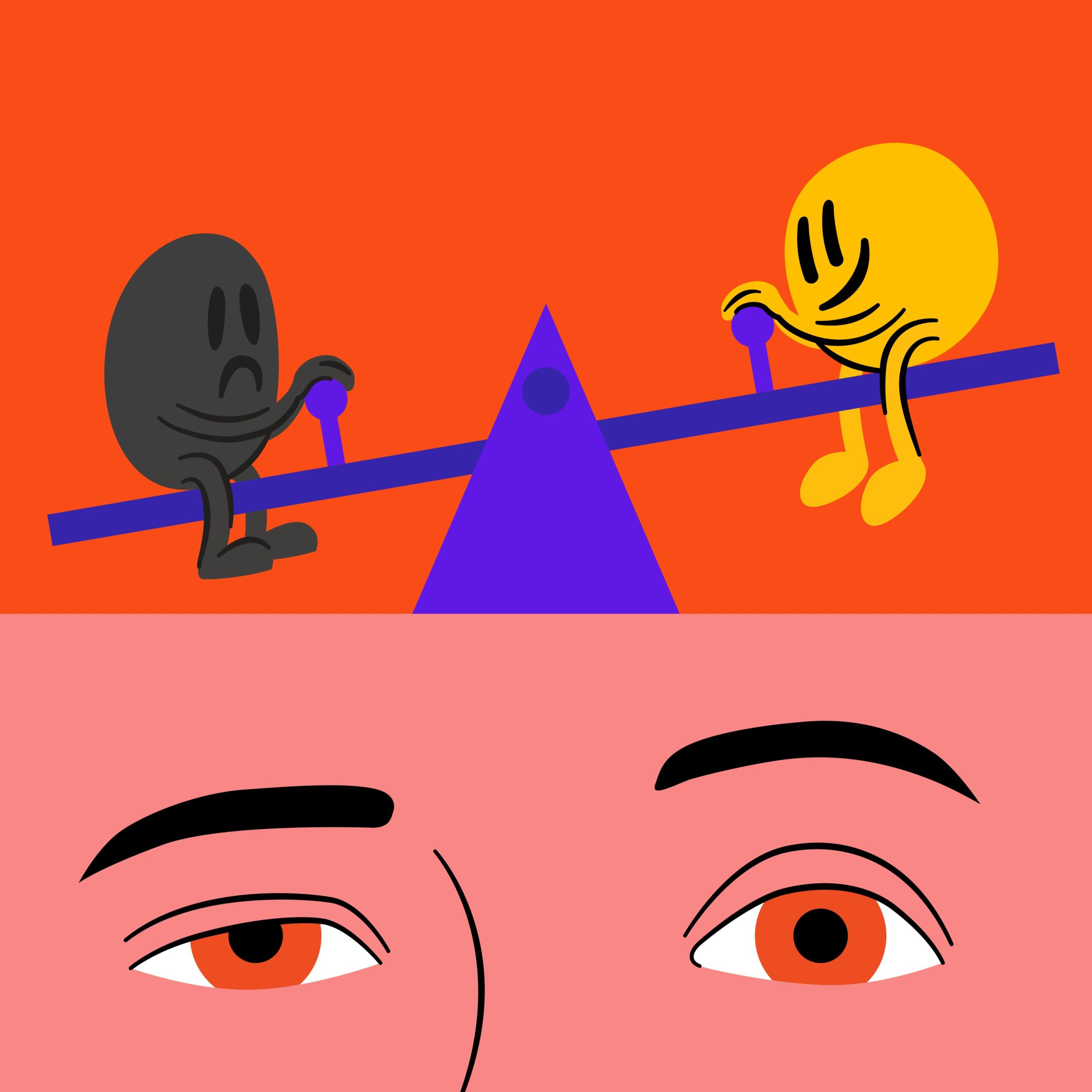
Most opioid-related deaths are not from an overdose of a single, pure substance. They result from user ignorance about two key factors: lethal contaminants like fentanyl mixed into the supply, and the exponentially increased risk of combining opioids with other sedatives like alcohol or benzodiazepines.
Initially, addictive behaviors are pursued for a pleasurable dopamine rush. Over time, the brain's dopamine system adapts and down-regulates, diminishing the pleasure. The behavior then becomes a compulsive habit driven not by a desire for a high, but by the urgent need to avoid the anxiety and physical discomfort of withdrawal.

Neuroscientist Carl Hart claims brain imaging studies mislead the public about drug damage. Researchers often over-interpret small, statistically significant differences between user and non-user groups that have no real-world impact on cognitive function. The variation within groups is often greater than the average difference between them.
A critical distinction exists in the kratom market. Highly potent synthesized extracts containing concentrated 7-hydroxymitragynine—not the traditional leaf—are causing severe addiction. This has created a dangerous, 'wild west' market for what are essentially legal, over-the-counter opioids.

Hart's drug policy vision involves legal regulation, not a free-for-all. It includes user licensing for potent substances, government quality and dose control to prevent overdoses, and public education on safer consumption methods to mitigate risks.