Get your free personalized podcast brief
We scan new podcasts and send you the top 5 insights daily.
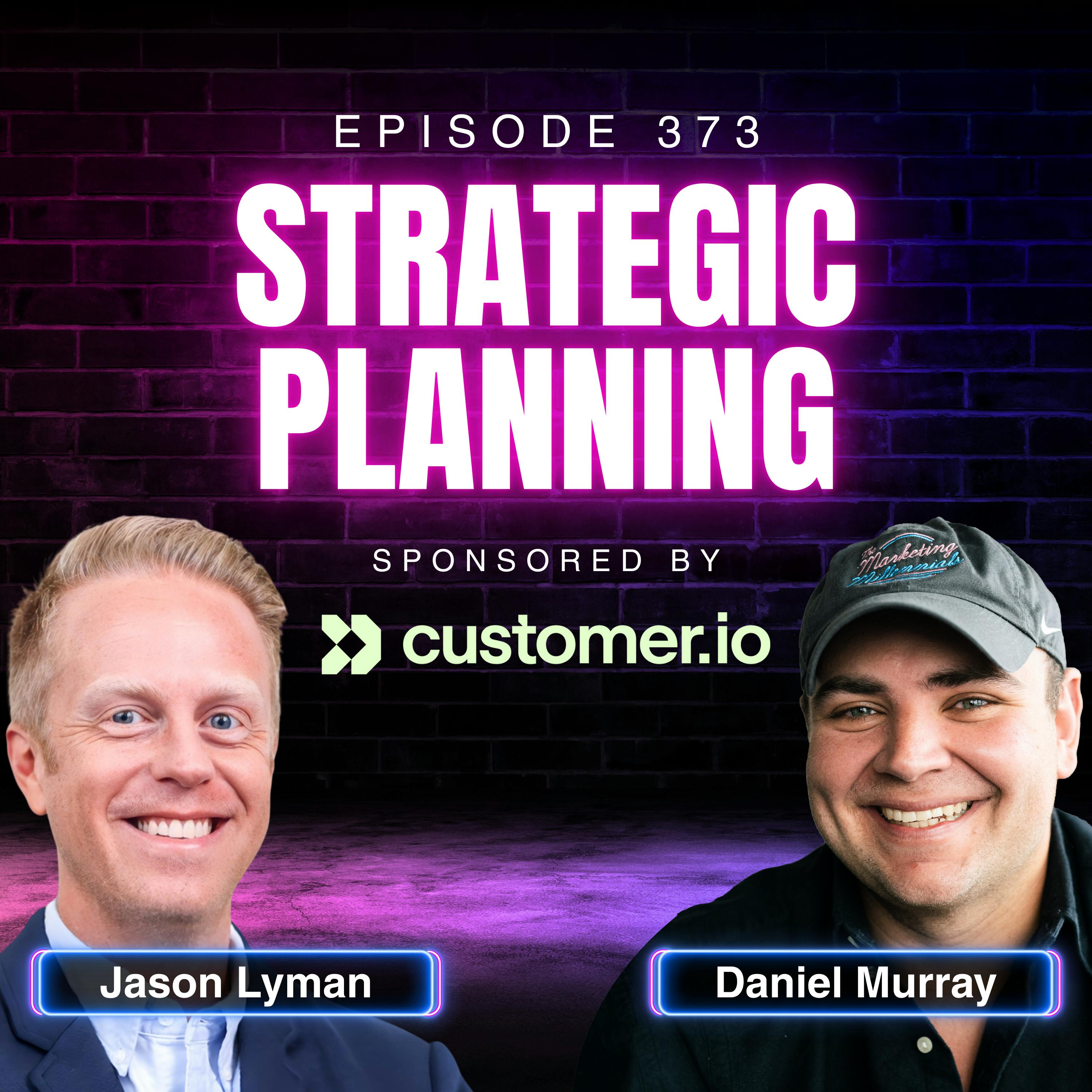
Go beyond using AI for data synthesis. Leverage it as a critical partner to stress-test your strategic opinions and assumptions. AI can challenge your thinking, identify conflicts in your data, and help you refine your point of view, ultimately hardening your final plan.
Related Insights
Marketers should use AI-driven insights at the beginning of the creative process to inform campaign strategy, rather than solely at the end for performance analysis. This approach combines human creativity with data to create more resonant campaigns and avoid generic AI-generated content.

After running a survey, feed the raw results file and your original list of hypotheses into an AI model. It can perform an initial pass to validate or disprove each hypothesis, providing a confidence score and flagging the most interesting findings, which massively accelerates the analysis phase.

The most powerful use of AI for business owners isn't task automation, but leveraging it as an infinitely patient strategic advisor. The most advanced technique is asking AI what questions you should be asking about your business, turning it from a simple tool into a discovery engine for growth.

Treat AI as a critique partner. After synthesizing research, explain your takeaways and then ask the AI to analyze the same raw data to report on patterns, themes, or conclusions you didn't mention. This is a powerful method for revealing analytical blind spots.

To effectively leverage AI, treat it as a new team member. Take its suggestions seriously and give it the best opportunity to contribute. However, just like with a human colleague, you must apply a critical filter, question its output, and ultimately remain accountable for the final result.

Instead of asking an AI tool for creative ideas, instruct it to predict how 100,000 people would respond to your copy. This shifts the AI from a creative to a statistical mode, leveraging deeper analysis and resulting in marketing assets (like subject lines and CTAs) that perform significantly better in A/B tests.

AI models tend to be overly optimistic. To get a balanced market analysis, explicitly instruct AI research tools like Perplexity to act as a "devil's advocate." This helps uncover risks, challenge assumptions, and makes it easier for product managers to say "no" to weak ideas quickly.

Don't use AI to generate generic thought leadership, which often just regurgitates existing content. The real power is using AI as a 'steroid' for your own ideas. Architect the core content yourself, then use AI to turbocharge research and data integration to make it 10x better.
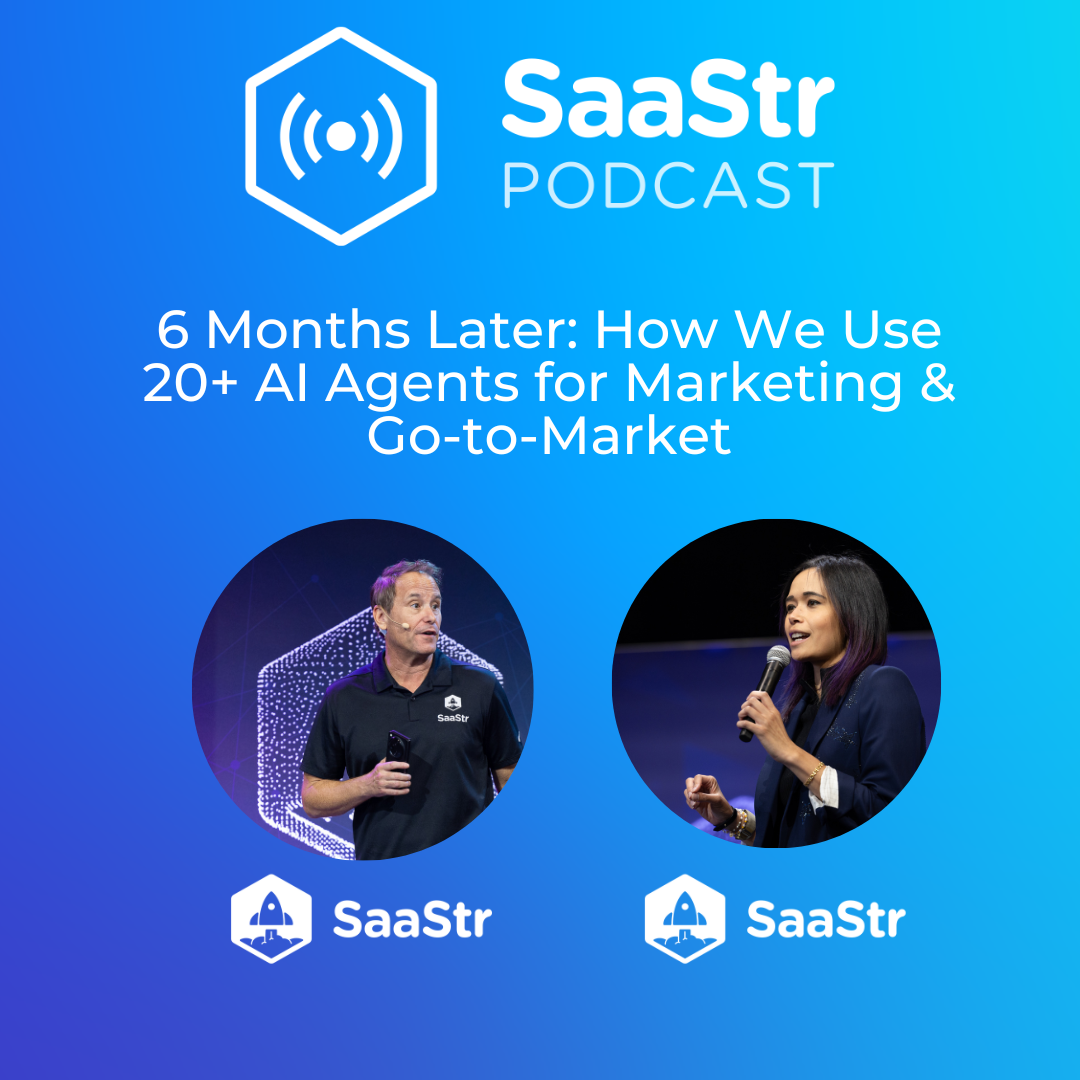
Go beyond using AI for simple efficiency gains. Engage with advanced reasoning models as if they were expert business consultants. Ask them deep, strategic questions to fundamentally innovate and reimagine your business, not just incrementally optimize current operations.

AI should not be the starting point for creation, as that leads to generic, spam-like output. Instead, begin with a distinct human point of view and strategy. Then, leverage AI to scale that unique perspective, personalize it with data, and amplify its distribution.