Get your free personalized podcast brief
We scan new podcasts and send you the top 5 insights daily.
Zack Kass shares that as AI perfected diagnoses, his oncologist father's value shifted from intellect to his human touch. In a world of cognitive abundance, emotional intelligence and empathy are no longer soft skills; they become the primary 'product' that clients and patients value most.

Related Insights
Using radiologists as an example, Amodei argues that while AI excels at technical analysis (reading scans), the human role shifts to communication and relationship management (walking patients through results). This suggests human-centric jobs have greater longevity.

AI has made knowledge—the ability to produce information—cheap and accessible. The new currency is wisdom: knowing what matters, where to focus, and how to find purpose. This shifts the focus of work and education from learning facts to developing critical thinking, empathy, and judgment.

As AI provides customers with unprecedented information, the ability to build genuine trust and relationships—akin to doing business on a handshake—will become the key competitive advantage. AI provides the information (the yin), but human connection provides the authenticity and trust (the yang) needed to close deals.

As AI handles complex diagnoses and treatment data, the doctor's primary role will shift to the 'biopsychosocial' aspects of care—navigating family dynamics, patient psychology, and social support for life-and-death decisions that AI cannot replicate.

As AI handles technical tasks, uniquely human skills like curiosity, empathy, and judgment become paramount. Leaders must adapt their hiring processes to screen for these non-replicable soft skills, which are becoming more valuable than traditional marketing competencies.

Emerging AI jobs, like agent trainers and operators, demand uniquely human capabilities such as a grasp of psychology and ethics. The need for a "bedside manner" in handling AI-related customer issues highlights that the future of AI work isn't purely technical.

As AI handles technical tasks, the value of hard skills diminishes. The most crucial employee traits become "human" qualities: buying into the company vision, emotional intelligence, and self-awareness. These are the new competitive advantages in talent acquisition.
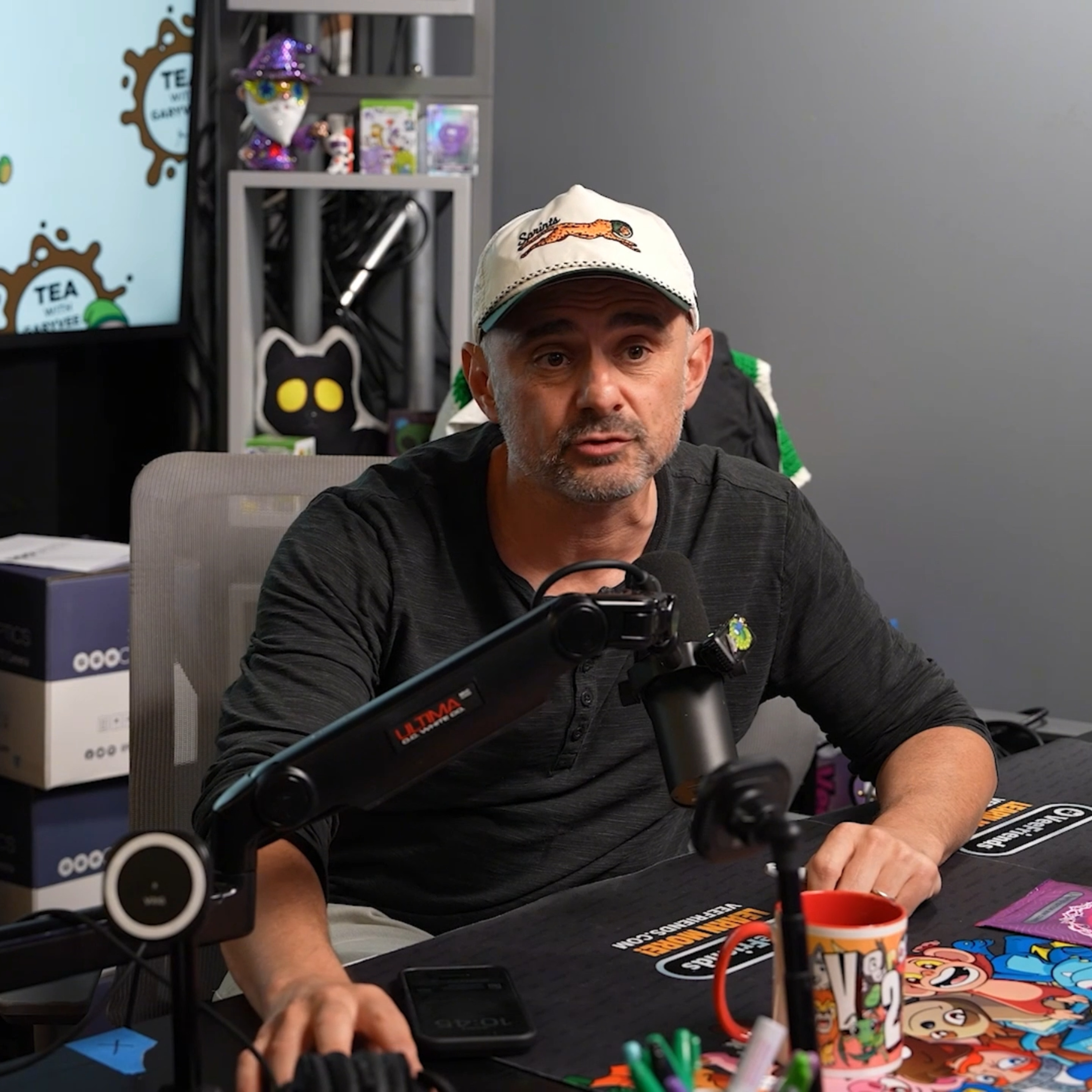
Amidst the pressure to adopt AI and drive metrics, the most critical career advice is to preserve one's humanity. This means prioritizing integrity, ethics, and genuine human connection with both colleagues and customers, which ultimately becomes a key differentiator.

As AI automates technical and mundane tasks, the economic value of those skills will decrease. The most critical roles will be leaders with high emotional intelligence whose function is to foster culture and manage the human teams that leverage AI. 'Human skills' will become the new premium in the workforce.

As AI floods marketplaces with automated, synthetic communication, buyers experience fatigue. This creates a scarcity of authentic human interaction, making genuine connection and emotional intelligence a more valuable and powerful differentiator for sales professionals.
