Get your free personalized podcast brief
We scan new podcasts and send you the top 5 insights daily.
By controlling 20% of the world's oil supply via the Strait of Hormuz, Iran generates immense political leverage. This forces energy-dependent Asian allies like India and Japan to distance themselves from the US and adopt neutral or pro-Iran stances to ensure their own energy security.

Related Insights
The failure to militarily secure the Strait of Hormuz is a major strategic concession. It demonstrates a critical vulnerability and effectively hands Iran control over a global economic chokepoint, allowing them to wield immense leverage over international trade.

The push for conflict with Iran wasn't just about nuclear threats but a calculated move. By controlling the Strait of Hormuz, the US could cut off China's primary oil source, forcing them into economic concessions and shoring up the US dollar.

By attacking just a few ships, Iran creates enough perceived risk to make insurance carriers unwilling to cover vessels transiting the Strait of Hormuz. This effectively disrupts 20% of the world's oil supply without needing a large-scale military blockade, a key tactic in asymmetric economic warfare.

The predicted US military action in Iran serves a dual purpose. After shutting down oil from the Strait of Hormuz, Trump will leverage China's dependence on that oil. He will offer to reopen the spigot only if China assists in secularizing Iran and removing its uranium, using economic pressure to achieve geopolitical goals.

Iran doesn't need a naval blockade to close the Strait of Hormuz. The mere threat of drone and missile attacks is enough to deter shippers and insurers, creating a "de facto closure." This asymmetrical strategy highlights how psychological warfare can be as effective as direct military action in disrupting global trade.
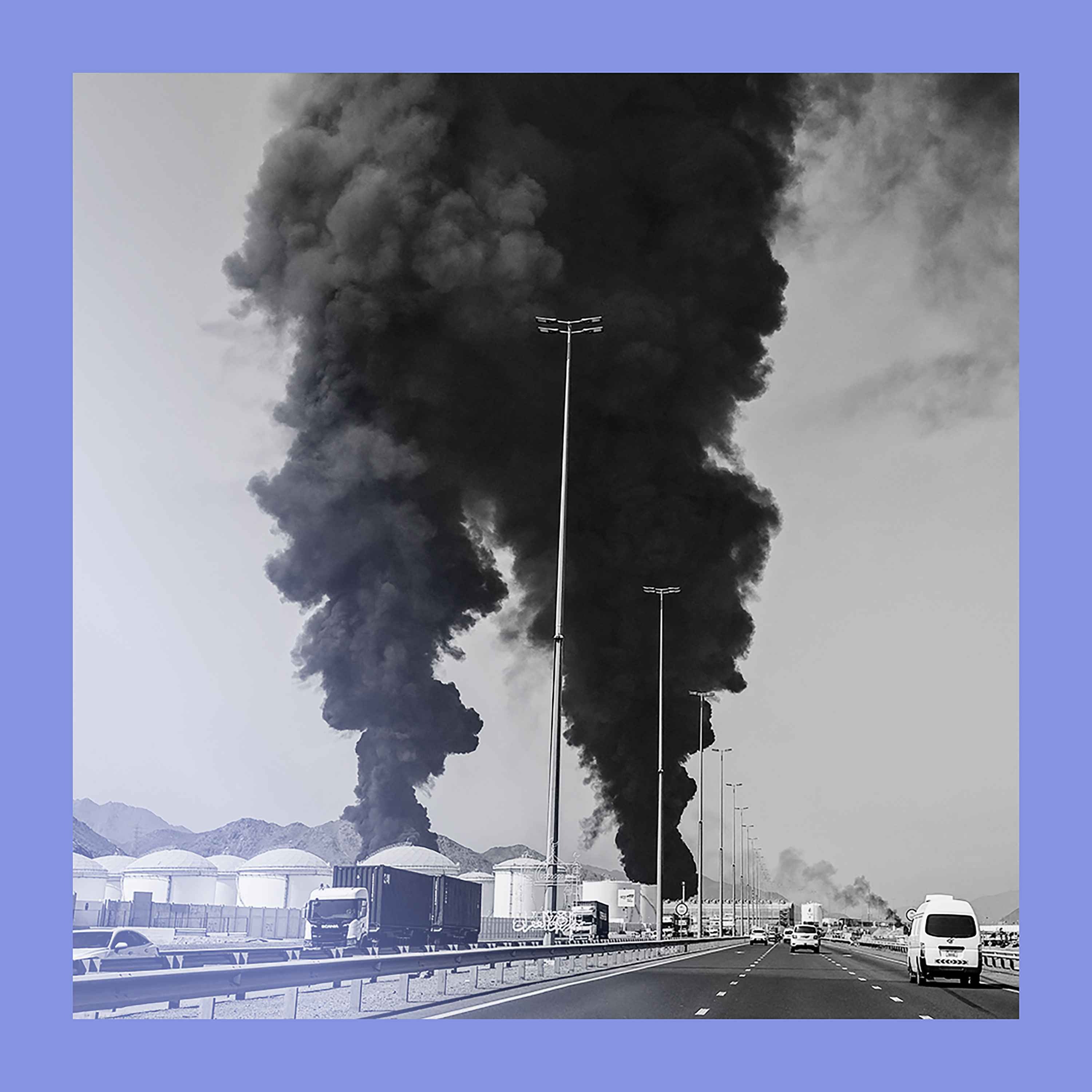
By selectively allowing passage for tankers pricing oil in Chinese Yuan, Iran is playing a high-stakes game. This forces countries to bypass the US dollar to secure their energy supply, directly threatening the foundation of American global economic power and accelerating de-dollarization.

Iran employs inexpensive weapons against shipping in the Strait of Hormuz. This asymmetric strategy avoids direct military confrontation while making the risk too high for insured commercial vessels, effectively closing the strait without a formal blockade.

Iran isn't blockading everyone, but specifically targeting the U.S. and its allies. This politically savvy move forces the U.S. to seek help from allies who may not see it as their problem, thereby exposing fractures in Western alliances.

The US cannot secure the Strait of Hormuz alone. The solution is a US-led military convoy that includes allies like Japan and South Korea, and even unconventional partners like China, who are heavily dependent on the oil route. This international presence creates a stronger deterrent and shares the burden.

Despite significant military losses, Iran is successfully leveraging its control over the Strait of Hormuz. This asymmetric strategy chokes global energy markets, creating economic pain that Western nations may be less willing to endure than Iran, potentially snatching a strategic victory from a tactical defeat.
