Get your free personalized podcast brief
We scan new podcasts and send you the top 5 insights daily.
Auto1 survived 12 years of losses to build a durable business. Meanwhile, the collapse of heavily-funded competitor Kazoo shows that when VC funding dries up, businesses with sustainable unit economics and real infrastructure outlast capital-intensive but less efficient rivals.
![Auto1: EU-sed Car Marketplace - [Business Breakdowns, EP.246] thumbnail](https://megaphone.imgix.net/podcasts/5a391928-ccce-11ed-863b-7bdbc773faf2/image/55364bb6a294c4be08365a4dccb94c73.jpg?ixlib=rails-4.3.1&max-w=3000&max-h=3000&fit=crop&auto=format,compress)
Related Insights
Auto1's business model represents a strategic "counterposition." For an asset-light, high-margin classifieds business to compete, it would have to adopt a balance-sheet-intensive, lower-margin model. This transition is economically difficult to justify, creating a natural barrier protecting Auto1's market.
The "winner-takes-most" nature of marketplace businesses means that even an industry leader can operate for over a decade before achieving profitability. This model demands immense capital investment to survive a long, costly war of attrition to establish network effects.

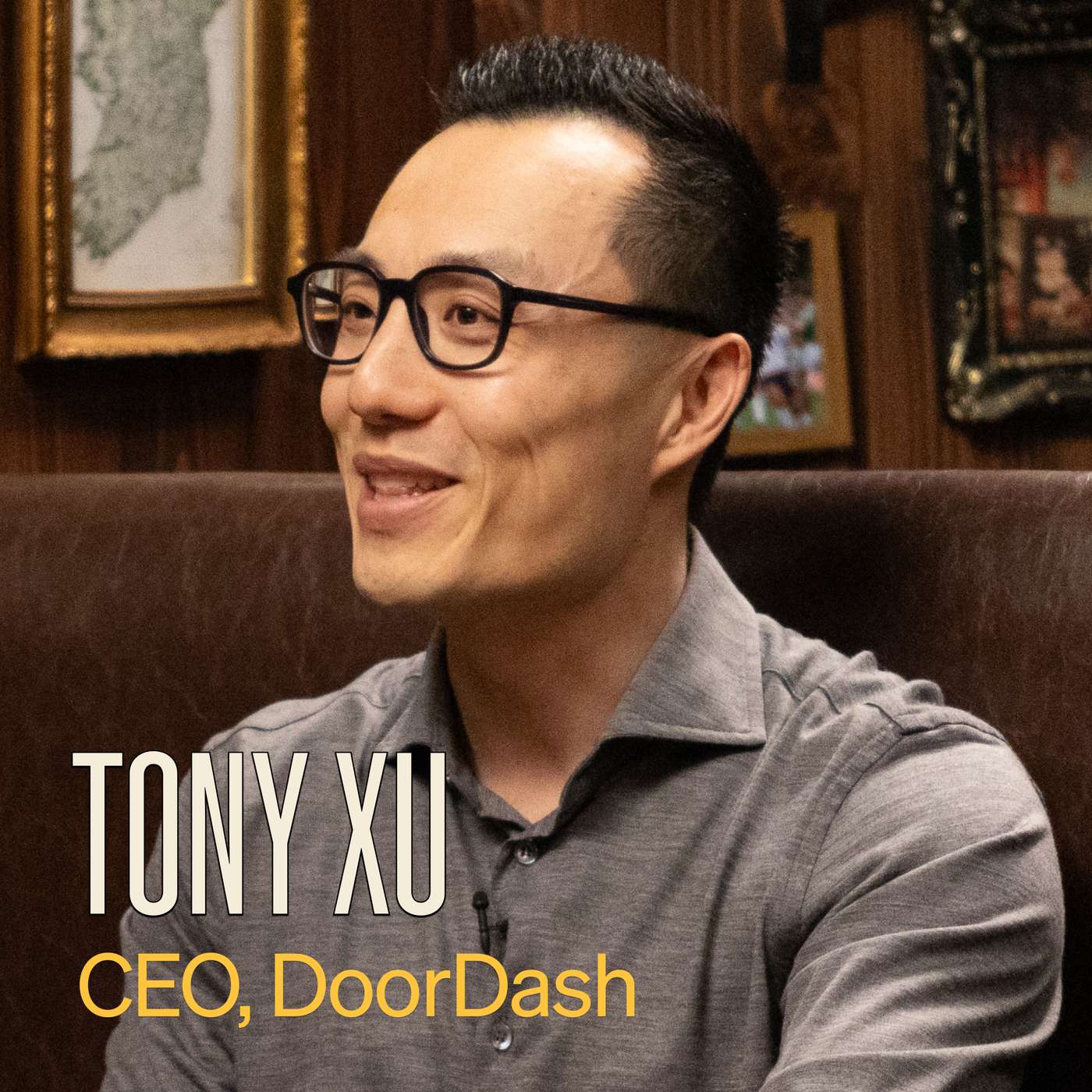
Lacking capital compared to rivals, DoorDash was forced to build a product with superior organic retention. This constraint meant they had to innovate on the core service itself, rather than rely on discounts, creating an "unfair advantage" once they could raise money.
Auto1 strategically established a capital-efficient wholesale business to build liquidity and data before launching its consumer retail brand, AutoHero. This sequencing was critical to outlasting competitors like Kazoo, who attempted a direct-to-consumer model first and failed.
By mindfully rejecting a "growth at any cost" approach and external funding, Hostinger was forced to maintain fiscal discipline from day one. This bootstrapped mindset became a competitive advantage when the market shifted, as the company was already operating under the sustainable, cash-flow positive rules its VC-backed competitors suddenly had to adopt.

Paralleling Amazon versus eBay, Auto1's vertically integrated model—buying cars, operating logistics, and refurbishment—creates a durable advantage. This operational complexity is a high barrier to entry for asset-light classifieds models that only solve for discovery, not the entire transaction.
Companies pursuing revolutionary technologies like autonomous driving (Waymo) or VR (Reality Labs) must endure over a decade of massive capital burn before profitability. This affirms venture capital's core role in funding these long-term, high-risk, high-reward endeavors.

Venture capital can create a "treadmill" of raising rounds based on specific metrics, not building a sustainable business. Avoiding VC funding allowed Donald Spann to maintain control, focus on long-term viability, and build a company he could sustain without external pressures or risks.

In hyper-competitive, winner-take-all markets like ride-sharing or AI, Kalanick argues that the ability to attract capital is itself a core competency and strategic weapon. Being the best at fundraising is as critical as having the best product, as capital enables scale and endurance against rivals.
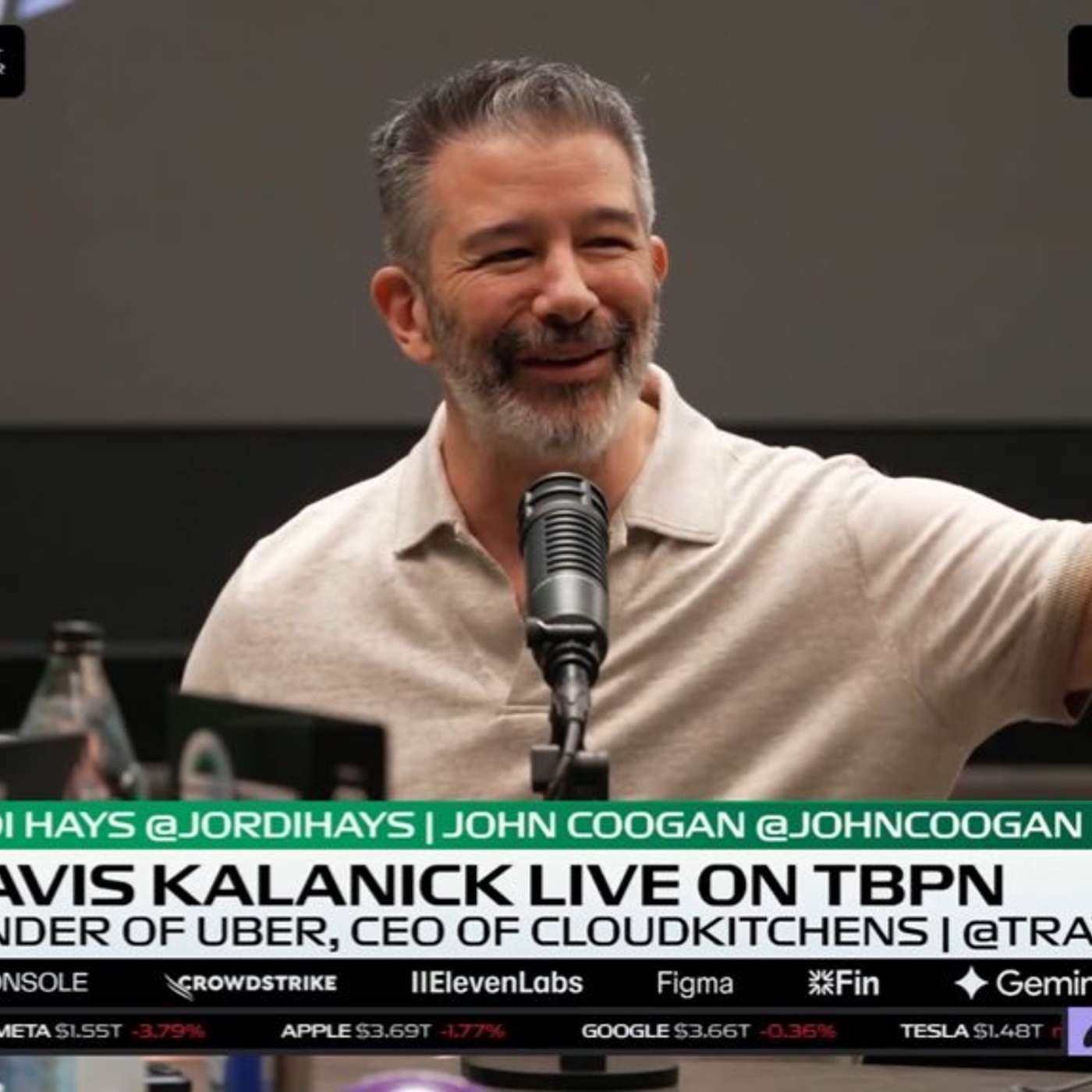
While massive "kingmaking" funding rounds can accelerate growth, they don't guarantee victory. A superior product can still triumph over a capital-rich but less-efficient competitor, as seen in the DoorDash vs. Uber Eats battle. Capital can create inefficiency and unforced errors.