Get your free personalized podcast brief
We scan new podcasts and send you the top 5 insights daily.
While defense primes scale production of high-end missiles, the Pentagon is creating a new market for low-cost, high-volume interceptors. This "middle ground" is being targeted by tech startups and non-traditional defense firms, who are winning contracts that the larger primes are not focused on.

Related Insights
The conflict in Ukraine exposed the vulnerability of expensive, "exquisite" military platforms (like tanks) to inexpensive technologies (like drones). This has shifted defense priorities toward cheap, mass-producible, "attritable" systems. This fundamental change in product and economics creates a massive opportunity for startups to innovate outside the traditional defense prime model.

Military commanders are not concerned with cost during a firefight, but higher-level strategic planners are. The unsustainable cost of using multi-million-dollar missiles on cheap drones is driving demand for cheaper interceptors and directed energy, shifting procurement priorities at the national level.
Traditional defense contractors use a "cost-plus" model, earning a percentage of total costs, which incentivizes inefficiency. Anduril sells products at a fixed price, aligning its success with saving the government and taxpayers money.

Defense tech startup Anduril is disrupting incumbents not with untested technology, but with a novel business model. It uses VC funds to build manufacturing capacity *before* winning large contracts and sources commercial parts to reduce cost and supply chain risk, effectively prioritizing execution over pure tech risk.

Modern conflicts demonstrate that low-cost drones can effectively neutralize multi-million dollar missiles. This economic imbalance creates a massive market opportunity for tech companies that can produce cheaper, high-volume, and effective weapons systems.
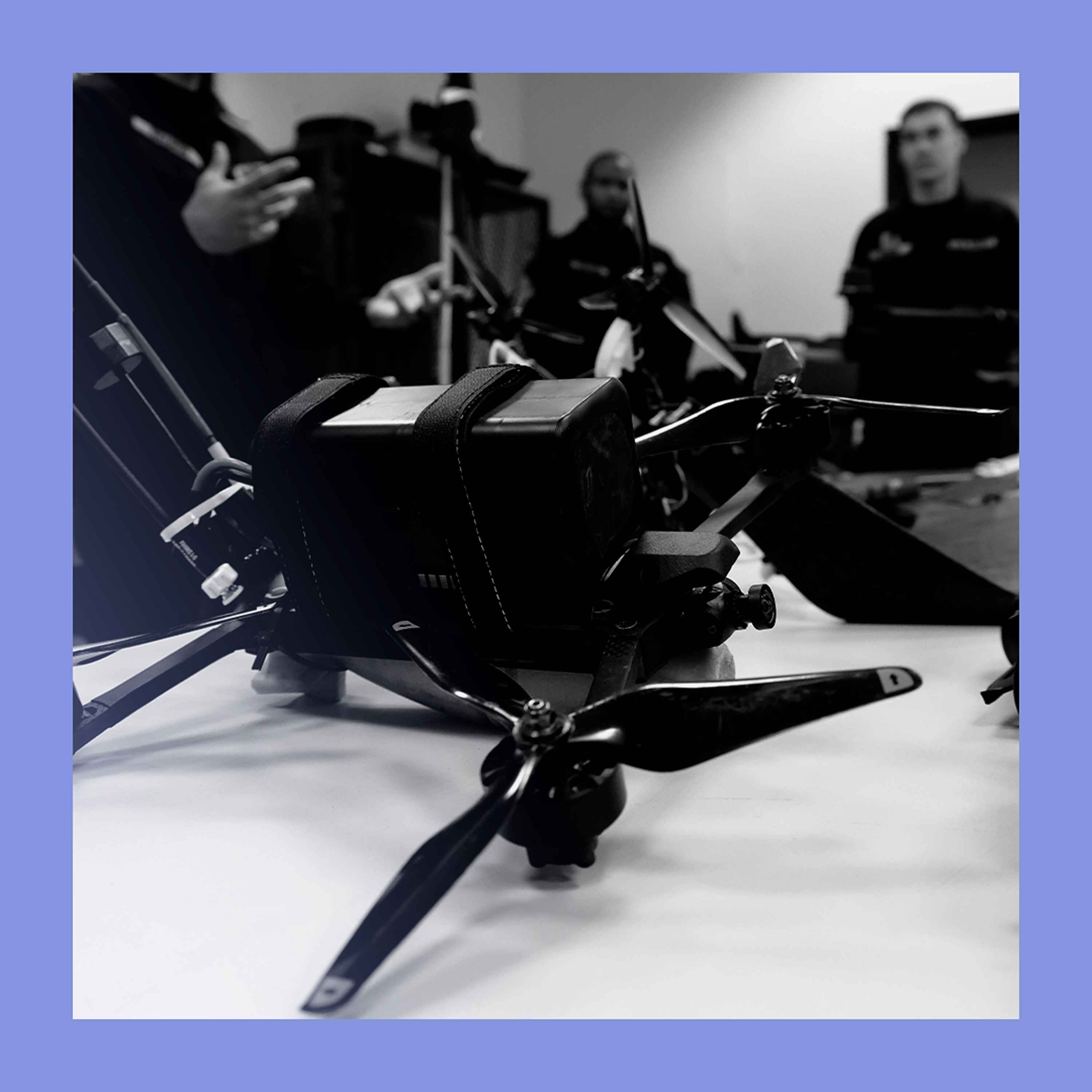
A new category of agile tech companies is winning major defense contracts by offering cheaper, software-driven, and nimbler solutions like drones and AI, directly challenging established giants like Lockheed Martin.
The DoD's global R&D share has plummeted from 36% to under 1%, so it can no longer dictate cutting-edge specs. Anduril funds its own R&D to solve a mission, then sells the finished capability, flipping the traditional government-funded, built-to-spec model on its head.

The Pentagon is moving away from decades-long, multi-billion dollar projects like aircraft carriers. The new focus is on mass-produced, attributable, low-cost systems like drones, which allows for faster innovation and deployment from new defense tech startups, not just the old primes.

Unlike traditional contractors paid for time and materials, Anduril invests its own capital to develop products first. This 'defense product company' model aligns incentives with the government's need for speed and effectiveness, as profits are tied to rapid, successful delivery, not prolonged development cycles.

Defense tech firm Anduril's talks to raise funds at a $60 billion valuation reflect its ambition to become a "prime" contractor. The company is no longer just a disruptive upstart; it's actively trying to join the exclusive group of legacy giants like Raytheon and Lockheed that dominate government contracts.