Get your free personalized podcast brief
We scan new podcasts and send you the top 5 insights daily.
Matt Yglesias argues that because corruption crackdowns enjoy broad public popularity, regimes frequently weaponize them to consolidate power and eliminate political rivals. When wrongdoing is pervasive across a system, selective prosecution makes distinguishing genuine accountability from partisan persecution nearly impossible.

Related Insights
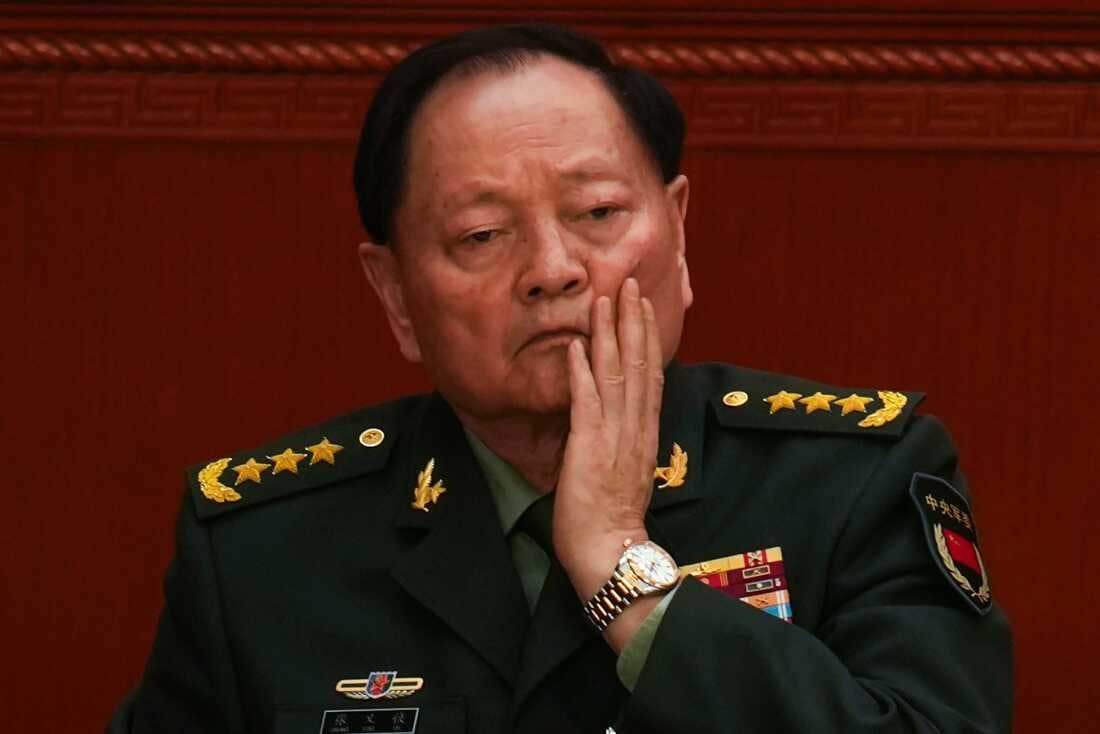
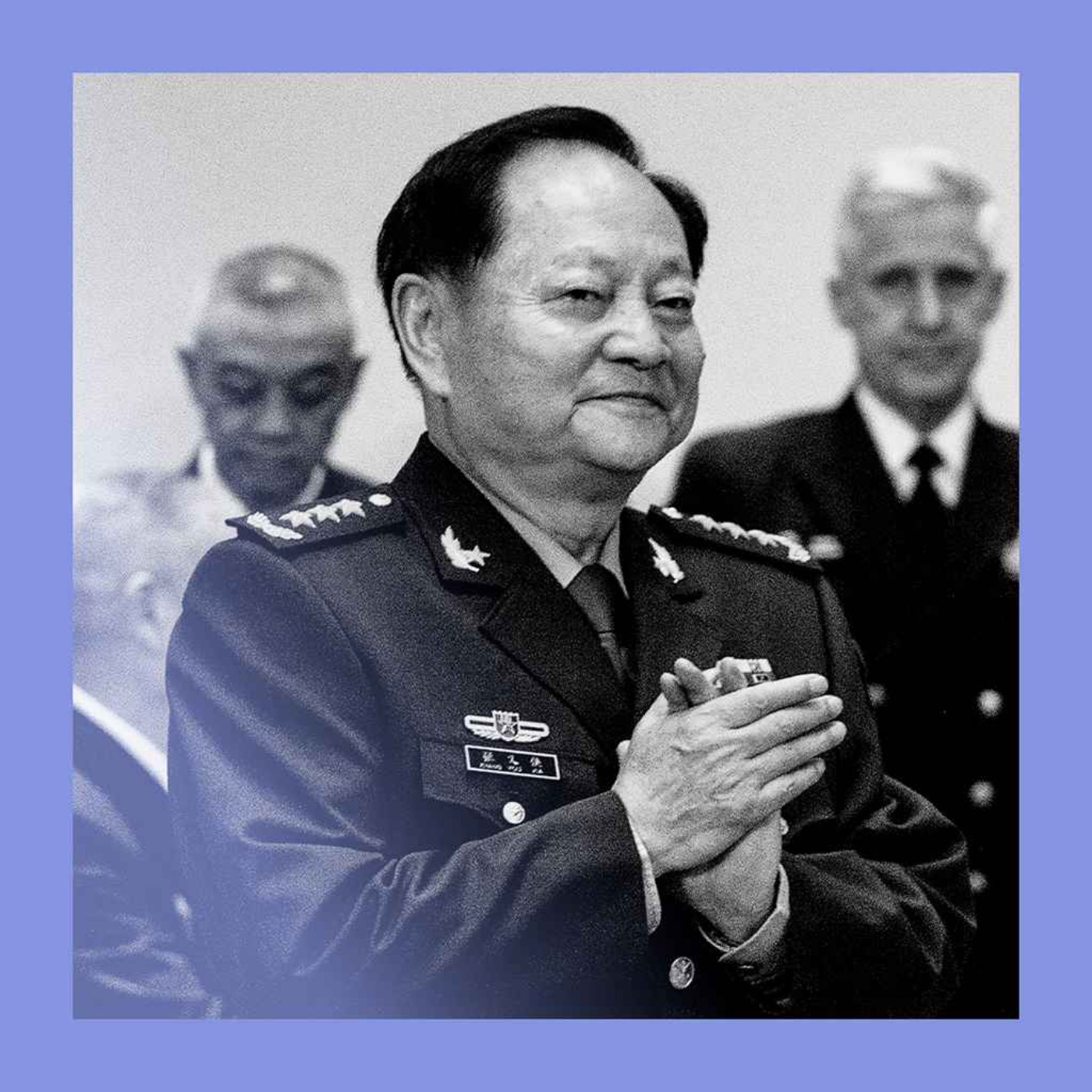
The ousting of a trusted ally like Zhang Yuxia prompts debate on Xi Jinping's motives. It could signal a descent into paranoia, where he suspects everyone. Alternatively, it may be a calculated act of ruthlessness, proving even close allies are disposable once their utility expires.
To build a broad coalition, focus on anti-corruption. This narrative transcends political ideologies by framing the issue as the tangible theft of citizens' money and rights, resonating more widely than abstract political arguments.

The goal of modern populist movements has shifted from winning elections to establishing permanent dominance. This is achieved by creating a mandate to prosecute and imprison political opponents, dismantling the norm of peaceful power transitions in favor of winner-take-all retribution.

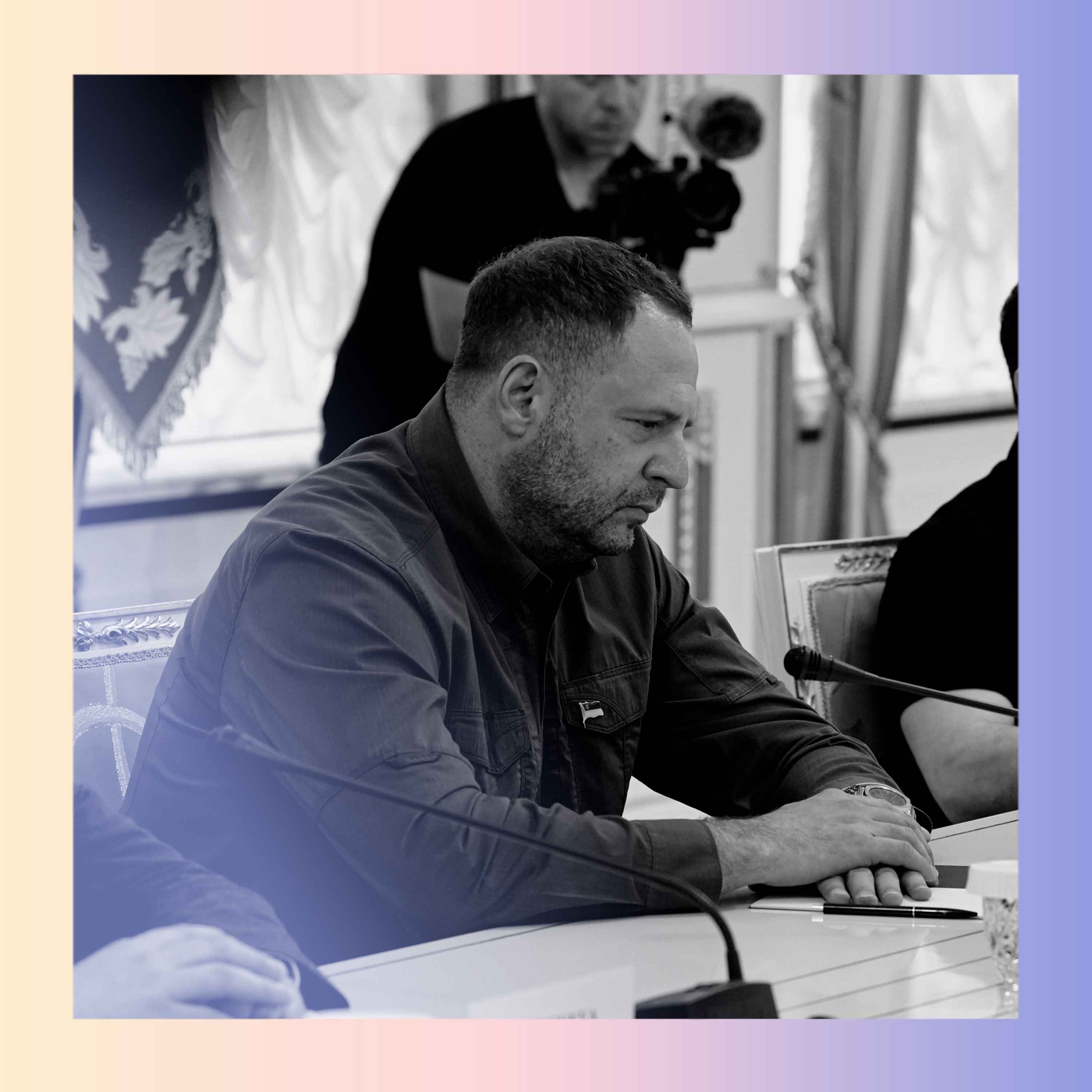
When the investigation reached the President's inner circle, the government machine mobilized against the anti-corruption bodies. Ukraine's security services arrested several detectives involved in the probe, accusing them of collaborating with Russia. This tactic attempts to reframe a legitimate investigation as a threat to national security.
The investigation of General Zhang Youxia, a childhood friend and trusted ally of Xi Jinping, suggests the military purge extends beyond anti-corruption efforts. It points to a deeper concern with consolidating absolute authority, where even long-standing, powerful allies are seen as potential political threats that must be neutralized.
The recent wave of corruption indictments in Taiwan's renewable energy sector is viewed by some as a political move by President Lai to target officials associated with his predecessor, Tsai Ing-wen. This suggests the industry has become collateral damage in a power struggle within the ruling DPP party.

The increasing tendency to demand criminal prosecution for political opponents over policy disagreements or ethical lapses is a dangerous trend. This 'lock them up' mentality blurs the line between crime and political opposition, threatening the rule of law.

Widespread corruption within the PLA means nearly every senior officer has a usable 'dossier.' This provides Xi Jinping with a permanent, justifiable pretext to eliminate anyone for political reasons, with corruption charges acting as the public-facing justification.
A dictator's attempts to consolidate power by purging potential rivals are counterproductive. This strategy creates a culture of fear where subordinates are too afraid to deliver bad news, isolating the leader from ground truth. This lack of accurate information increases the risk of catastrophic miscalculation and eventual downfall.
Society used to have a shared understanding that politicians becoming wealthy in office was wrong. Now, corruption is being justified based on political affiliation, creating a slippery slope where core moral agreements erode, depending on "who's doing the corruption."
