Get your free personalized podcast brief
We scan new podcasts and send you the top 5 insights daily.
The recent wave of corruption indictments in Taiwan's renewable energy sector is viewed by some as a political move by President Lai to target officials associated with his predecessor, Tsai Ing-wen. This suggests the industry has become collateral damage in a power struggle within the ruling DPP party.
![Taiwan's War on Renewables [Fully Produced Radio Show!] thumbnail](https://megaphone.imgix.net/podcasts/ea2b2a28-6bfc-11f1-861d-dbb1c081b969/image/6e2a7fb9b3341e0e4138f617d8c58e86.png?ixlib=rails-4.3.1&max-w=3000&max-h=3000&fit=crop&auto=format,compress)
Related Insights
Aggressive local content requirements, meant to build a domestic supply chain, backfired by making components two to three times more expensive due to a lack of scale. This destroyed project profitability, causing international developers to pull out of Taiwan's offshore wind market.
State-owned Tai Power keeps electricity prices artificially low as a tool of monetary policy to keep the Consumer Price Index (CPI) below 2%. This makes unsubsidized renewable energy appear uncompetitive and requires massive government bailouts, which indirectly subsidize fossil fuels.
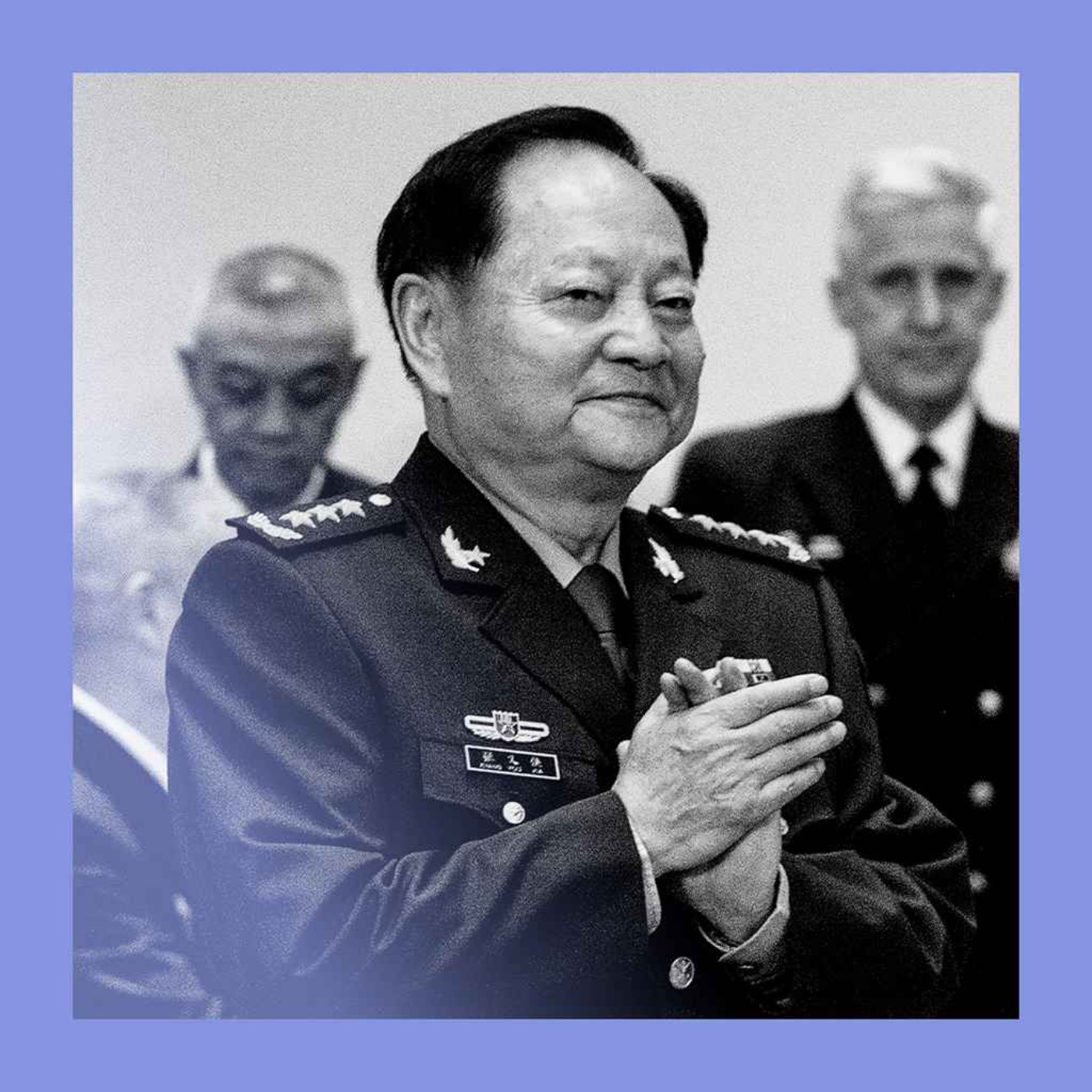
The investigation of General Zhang Youxia, a childhood friend and trusted ally of Xi Jinping, suggests the military purge extends beyond anti-corruption efforts. It points to a deeper concern with consolidating absolute authority, where even long-standing, powerful allies are seen as potential political threats that must be neutralized.
The ruling DPP's anti-nuclear history and the opposition KMT/TPP's anti-renewables stance have created a false dichotomy. This prevents an "all-of-the-above" energy strategy by treating two complementary low-carbon power sources as opposing political choices, leading to policy gridlock.
Contrary to the perception of Taiwan as uniformly pro-independence, its government is politically divided. While the prime minister is pro-independence, the parliament is controlled by the KMT party, which now advocates for reunification with mainland China, creating an internal political avenue for Beijing's influence.

The leader of Taiwan's KMT opposition party, a controversial figure seen as soft on Beijing, met with Xi Jinping partly as an internal power play. The meeting aimed to legitimize her authority within her own party, demonstrating how international diplomacy can serve domestic political goals.
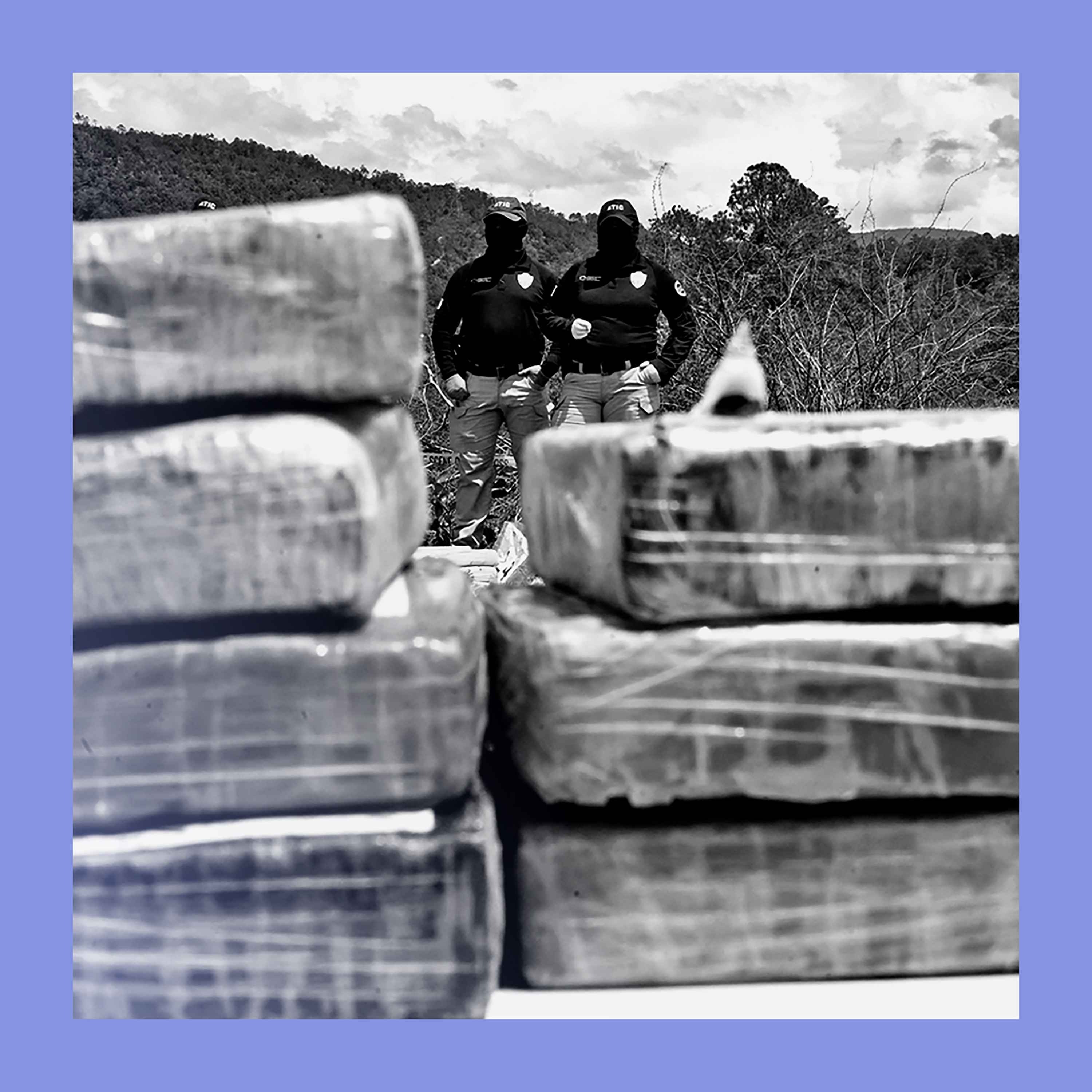
Unstandardized and opaque local permitting processes for renewable projects have enabled corrupt officials and gangsters, dubbed "green energy cockroaches," to demand bribes from developers. This systemic corruption has led to project failures and deep public distrust in the renewables industry.
The official narrative of China's top general leaking nuclear secrets is likely a cover for a deeper power struggle between President Xi and the military establishment. The ongoing purges are a sign of internal conflict for control, making an invasion of Taiwan less likely due to a destabilized command structure.

With local government finances strained, there is talk of "deep sea fishing" campaigns where anti-corruption probes are used as a pretext. Officials target business people, sometimes from other jurisdictions, with the potential goal of finding wrongdoing that allows them to seize the company's assets and shore up their budgets.
Widespread corruption within the PLA means nearly every senior officer has a usable 'dossier.' This provides Xi Jinping with a permanent, justifiable pretext to eliminate anyone for political reasons, with corruption charges acting as the public-facing justification.