Get your free personalized podcast brief
We scan new podcasts and send you the top 5 insights daily.
To drastically cut manufacturing costs for an existing product, break dependency on a single, high-margin contract manufacturer. By bringing assembly in-house and working with multiple, competitive component vendors, a company gains negotiating leverage and control, enabling significant savings.

Related Insights
To accurately reduce cost of goods sold (COGS), analyze total cost, including assembly labor, not just individual component prices. A more expensive prefabricated part, like a $1,500 wiring harness, can slash total costs by eliminating $6,000 worth of manual labor time, but requires looking beyond departmental budgets.
PC manufacturers are trapped in a trade-off: low price means low quality, while high quality demands a high price. Because they all source components from the same suppliers, they cannot match Apple's vertically-integrated model, which leverages amortized R&D from high-volume phone chips to deliver superior, low-cost laptops like the MacBook Neo.

Subcontracting creates fixed interfaces between teams, leading to a "calcified architecture" where system-level optimization is impossible. Vertically integrating engineering and manufacturing in-house allows for dynamic trade-offs between disciplines, accelerating innovation and reducing costs.
![Scott Nolan - SpaceX, Founders Fund, and Rebuilding American Uranium Enrichment - [Invest Like the Best, EP.467] thumbnail](https://megaphone.imgix.net/podcasts/5edee546-3776-11f1-b41d-a76759576e87/image/908aaa6e87baf2b3d364892c4b7f9fd8.jpg?ixlib=rails-4.3.1&max-w=3000&max-h=3000&fit=crop&auto=format,compress)
Relying on a traditional supply chain means inheriting its slow pace, costs, and outdated technology. By bringing core manufacturing in-house, Tesla controls its innovation speed, allowing it to move much faster and develop more integrated products than its competitors.

When a large customer demanded a lower price, it forced an internal cost review. This pressure created the business case to bring an outsourced raw material process in-house, which won the large contract and permanently lowered the cost structure for all customers.
Instead of using US distributors, Hillpointe built a dedicated supply chain with a team in China, relationships with 50+ factories, and a US distribution center. This allows them to design and source 200+ SKUs directly, saving up to 50% on materials like flooring and cabinets.

A single Room & Board product might come from four different manufacturers. The company breaks items into components (wood top, steel frame, upholstery) and sources each from a specialist. This model leverages expertise, improves quality, lowers overall cost, and allows for greater customer customization.

Figure designs nearly every component of its robots in-house, from motors to batteries. This extreme vertical integration, though costly upfront, prevents being at the mercy of third-party vendor timelines, code problems, or supply chain issues, enabling faster iteration and deeper system control.

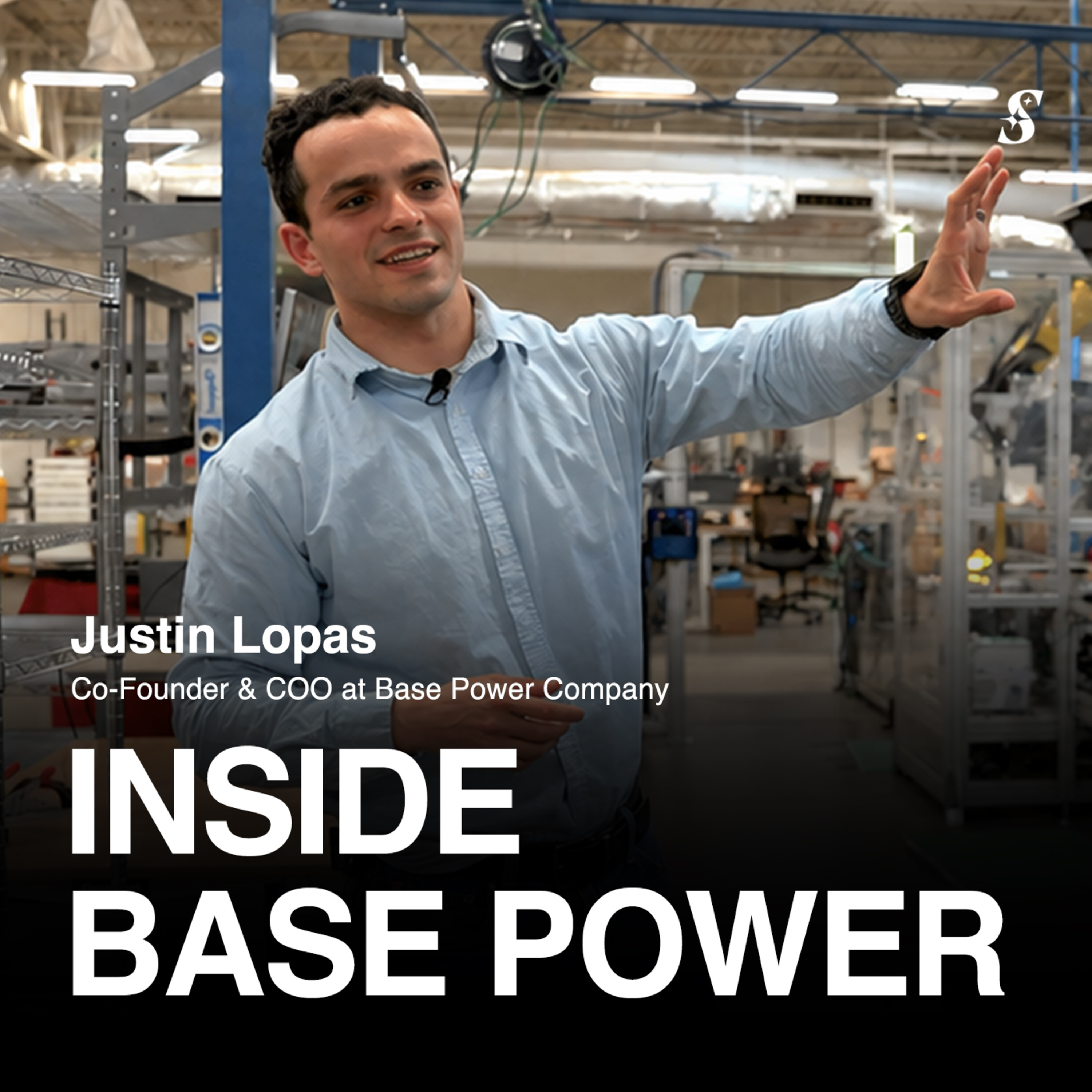
Instead of outsourcing, Base Power manufactures its batteries in-house in the US. This strategy gives them direct control over the production line, allowing for rapid hardware changes, reduced lead times, and lower costs compared to relying on contract manufacturers.
Beyond capturing more profit margin, vertically integrating your supply chain is a powerful defensive move. It mitigates the risk of key suppliers failing and disrupting your operations. By owning critical production and distribution components, you gain proactive control over quality, supply, and your company's stability.
