Get your free personalized podcast brief
We scan new podcasts and send you the top 5 insights daily.
Emerging data in urothelial cancer suggests a potential solution to the ADC sequencing problem. After treatment with a Nectin-4 targeted ADC, using a second Nectin-4 ADC with a different payload (topo-1 inhibitor instead of MMAE) still demonstrated efficacy.

Related Insights
Early clinical trial data suggests that topoisomerase-1 payload ADCs retain efficacy in patients previously treated with mirvetuximab. Because mirvetuximab has a different cytotoxic payload, this indicates that targeting the same receptor (FR-alpha) with a different type of toxin is a viable sequencing strategy.

Data from a novel Nectin-4 ADC trial showed zero responses in patients with prior topoisomerase therapy. This strongly suggests that payload resistance, not just the ADC target, is a critical mechanism that will dictate future treatment sequencing.

When sequencing antibody-drug conjugates, clinical experience suggests that resistance to the chemotherapy payload is a primary driver of failure. Therefore, oncologists tend to avoid using another ADC with the same payload consecutively, preferring to switch both target and payload if possible.
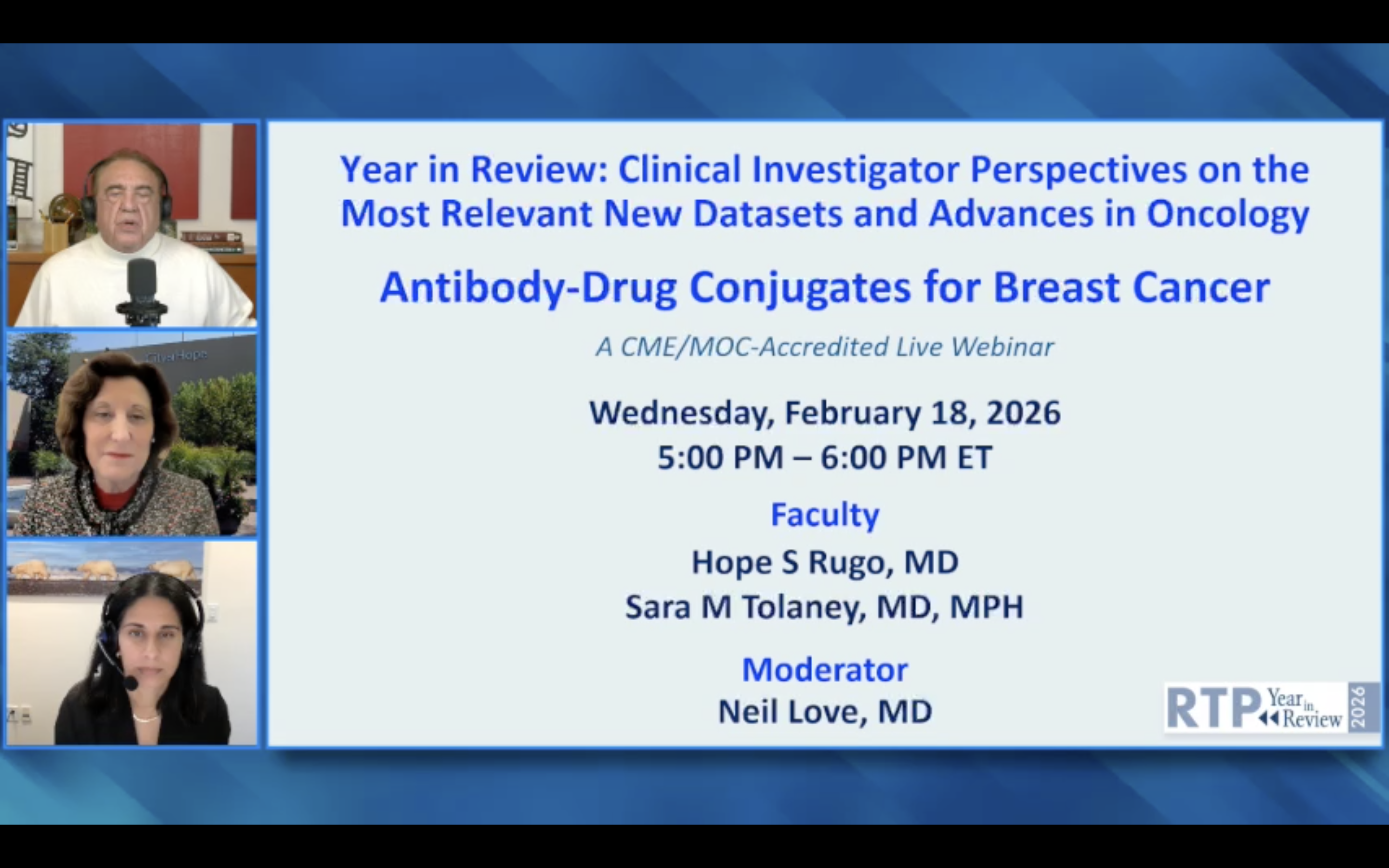
Patients whose ovarian cancer progresses on the folate-targeted ADC mirvetuximab may still respond to a subsequent folate-targeted ADC with a different cytotoxic payload. This suggests that the folate receptor alpha target remains viable and that resistance may be payload-specific, opening new sequencing strategies.
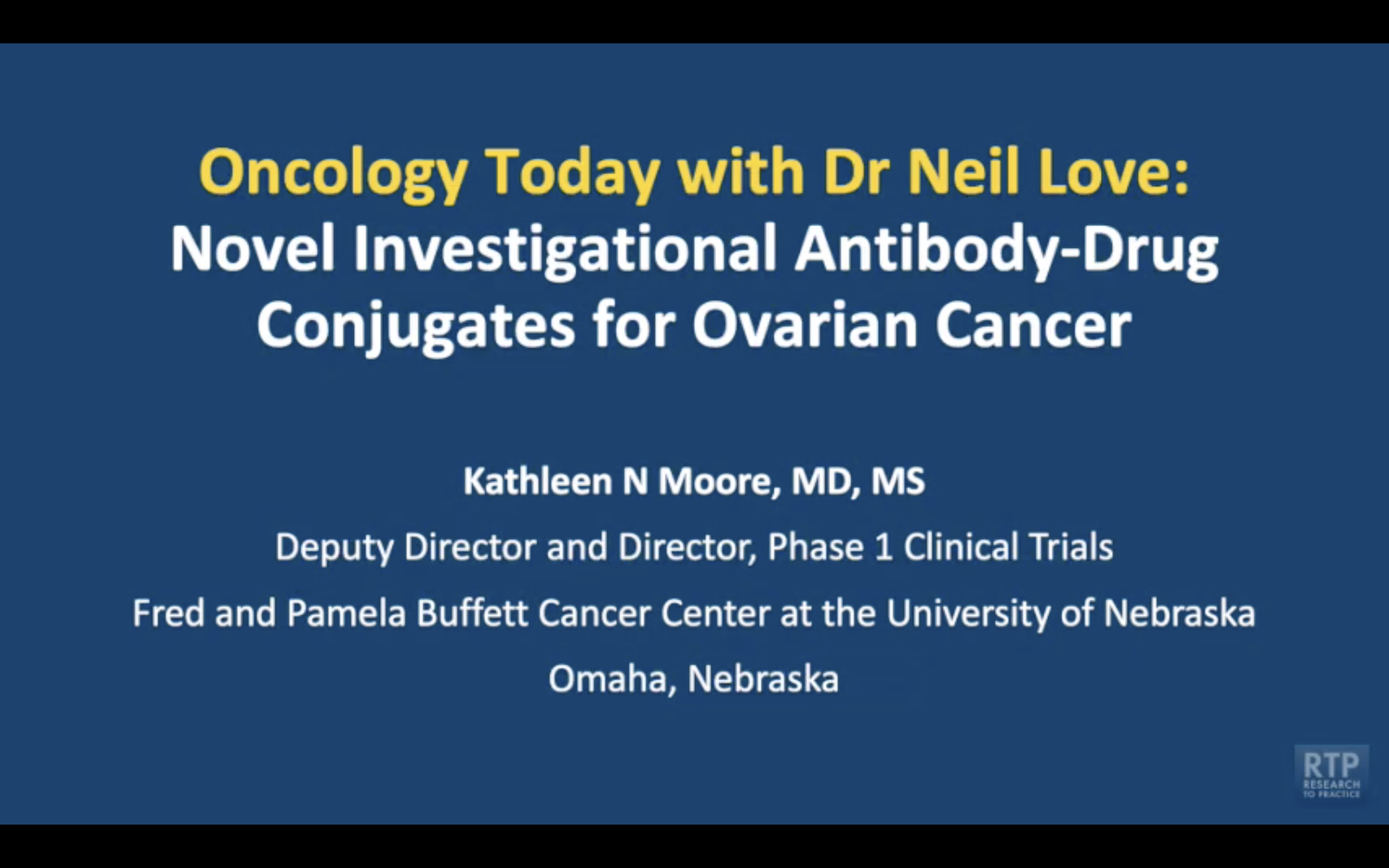
The TROPION-PanTumor01 study showed that patients who progressed on the TROP2-ADC sacituzumab govitecan still achieved responses to a second TROP2-ADC, Dato-DXD. This suggests that targeting the same antigen with a different payload can overcome initial resistance, informing future treatment sequencing.
The primary reason Antibody-Drug Conjugates (ADCs) stop working is payload resistance, a shift from the traditional belief that failure stems from tumors losing the target antigen. This insight drives development of multi-payload ADCs to overcome this resistance mechanism.

When planning treatment for patients who will receive multiple antibody-drug conjugates (ADCs), the prevailing clinical strategy is to focus on alternating the drug's payload (e.g., a tubulin inhibitor vs. a topoisomerase I inhibitor). This approach is believed to be more effective at overcoming resistance than alternating the cell-surface target.

When sequencing antibody-drug conjugates (ADCs) for SCLC, resistance may be driven more by the cytotoxic payload (e.g., a topoisomerase 1 inhibitor) than the antibody's target antigen. This suggests prior exposure to a similar payload class could predict non-response, even when using an ADC with a different target.
Rather than moving through distinct lines of therapy, a future strategy could involve an "ADC switch." When a patient progresses on an ADC-IO combination, the IO backbone would remain while the ADC is swapped for one with a different, non-cross-resistant mechanism, adapting the treatment in real-time.
As more antibody-drug conjugates (ADCs) become available, a key concern is resistance to the cytotoxic payload. If a tumor develops resistance to a topoisomerase-1 inhibitor from one ADC, it may not respond to other ADCs using the same payload, regardless of their different antibody targets, complicating future treatment sequencing.
