Get your free personalized podcast brief
We scan new podcasts and send you the top 5 insights daily.
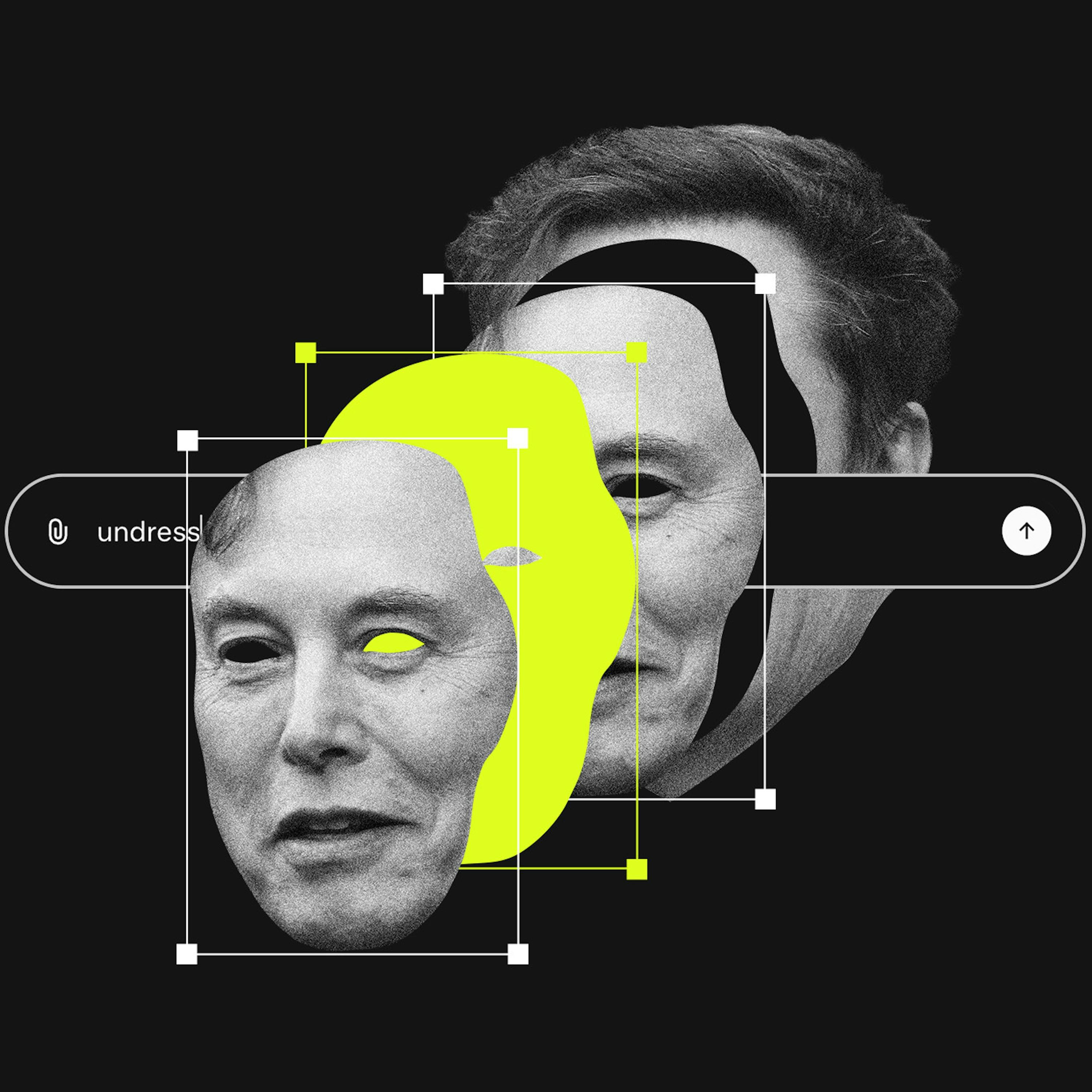
Spain's proposed law making CEOs criminally responsible for platform content is not a broad policy move. It is viewed as a specific effort to control X, the only major social platform that hasn't "bent the knee" to government censorship demands.
Related Insights
Musk clarifies his goal for X was to restore balance from what he perceived as a 'far left' ideology. The operating principle is to adhere strictly to a country's laws without imposing additional ideological constraints, aiming for a centrist public square.

The decision to co-lead an $800M investment in X was driven by the platform's banning of a sitting US president. This was seen not as simple content moderation, but as a "watershed moment" reflecting a KGB-style tactic of controlling information to undermine democracy, making the platform a critical asset for free speech.
The problem with social media isn't free speech itself, but algorithms that elevate misinformation for engagement. A targeted solution is to remove Section 230 liability protection *only* for content that platforms algorithmically boost, holding them accountable for their editorial choices without engaging in broad censorship.

The European Commission is leveraging the Grok controversy to justify its aggressive regulatory stance towards U.S. digital platforms. By framing the incident as "illegal" and "disgusting," the EU strengthens its argument that American tech companies are behaving unreasonably, thus validating its need for stricter enforcement and giving it leverage in transatlantic policy disputes.

A US Diplomat argues that laws like the EU's DSA and the UK's Online Safety Act create a chilling effect. By imposing vague obligations with massive fines, they push risk-averse corporations to censor content excessively, leading to ridiculous outcomes like parliamentary speeches being blocked.

Despite different political systems, the US and Chinese internets have converged because power is highly centralized. Whether it's a government controlling platforms like Weibo or tech oligarchs like Elon Musk controlling X, the result is a small group dictating the digital public square's rules.

Similar to the financial sector, tech companies are increasingly pressured to act as a de facto arm of the government, particularly on issues like censorship. This has led to a power struggle, with some tech leaders now publicly pre-committing to resist future government requests.
When direct censorship is unconstitutional, governments pressure intermediaries like tech companies, banks, or funded NGOs to suppress speech. These risk-averse middlemen comply to stay in the government's good graces, effectively doing the state's dirty work.
While publicly justified as measures to protect children, the wave of social media bans in Europe may be a form of economic retaliation. Frustrated with U.S. tariffs, nations are hitting back by restricting America's most powerful exports: its dominant tech platforms like Meta and Google.

Section 230 protects platforms from liability for third-party user content. Since generative AI tools create the content themselves, platforms like X could be held directly responsible. This is a critical, unsettled legal question that could dismantle a key legal shield for AI companies.