Get your free personalized podcast brief
We scan new podcasts and send you the top 5 insights daily.
Twitch cultivates a small, highly dedicated audience committed to long-form, personality-driven content, similar to a Substack newsletter. In contrast, YouTube serves a broader audience with more accessible, algorithmically-driven content. This core difference dictates where creators go for deep engagement versus wide discovery.

Related Insights
Influential voices with dedicated audiences have a greater impact when engaging their community directly on native platforms like Substack. These owned channels can drive nearly as much traffic as a campaign's primary website, demonstrating the power of concentrated, high-trust audiences over broad, traditional media reach.

Night Media CEO Reid Duxcher, who formerly represented Mr. Beast, argues that YouTube's hyper-targeted algorithm now makes it nearly impossible for a new creator to achieve that level of breakout, cross-cutting success. He believes the next global content superstar will likely emerge from a different platform like Twitch.

As Vimeo fades, Substack's new TV app is poised to capture its original spirit as a destination for high-quality, curated content. Unlike algorithm-driven platforms, Substack can leverage its network of trusted, often paid, creators to build a high-signal video ecosystem, appealing to viewers seeking intentional content over random discovery.
YouTube's power isn't just its scale but its structure as 'infinite TV channels.' It can host countless, deeply specific content universes—like different sub-genres of gaming—on one platform. This ability to cater to every niche imaginable is what makes it an unassailable part of daily life for all demographics.
Podcasting's effectiveness for discoverability has diminished. While it excels at nurturing existing audiences, platforms like YouTube, which are built for search, are now essential for attracting new followers. The primary growth engine for content creators has moved to video.

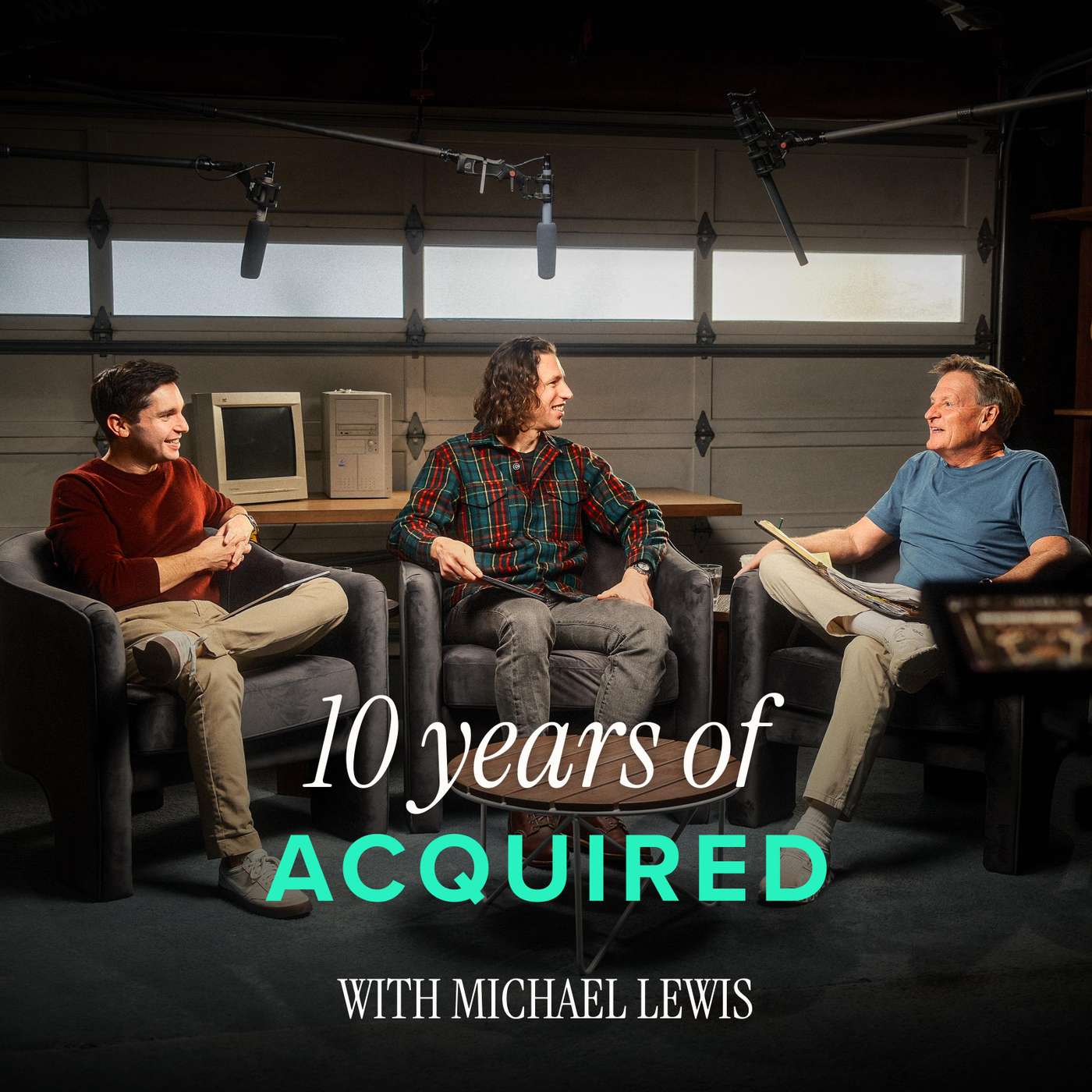
Episodes that underperformed with the general audience, like those on Nintendo or cricket, proved invaluable by attracting influential "superfans," including Meta executives and author Michael Lewis. This shows that catering to a passionate niche can yield more strategic value than broad, moderate appeal.
Creators intentionally produce evergreen episodes on broad topics like historical conspiracies. While these get fewer views initially compared to timely news reactions, they dominate in long-term performance as they are continually discovered and recommended by YouTube's algorithm, building a more valuable and durable content library.
Creators like DougDoug evolved from streaming video games to hosting a popular podcast on business and politics. They followed their own changing interests, creating a space for serious discussion that was previously absent in their corner of the YouTube ecosystem, thereby attracting a large, untapped audience.
Twitch began as Justin.tv for 24/7 life streaming before finding massive success by narrowing its focus to gaming. Now, the platform’s growth is driven by a return to its origins, with 'In Real Life' (IRL) and 'Just Chatting' content often surpassing gaming in viewership, indicating a full-circle evolution.
With only 10,000 subscribers, plumber Roger Wakefield secured a $400,000 sponsorship deal. This proves that for creators in specialized industries, a highly-engaged, niche audience is far more valuable to relevant brands than a massive, generalist following, justifying premium rates.
