Get your free personalized podcast brief
We scan new podcasts and send you the top 5 insights daily.
MRM Health's founder, Sam Possemiers, leveraged his profitable Contract Research Organization (CRO), Prodigest, to finance the entire seed stage of his new biotech venture. Reinvesting proceeds into technology development allowed MRM to de-risk its platform for five years without taking on early-stage dilutive funding.

Related Insights
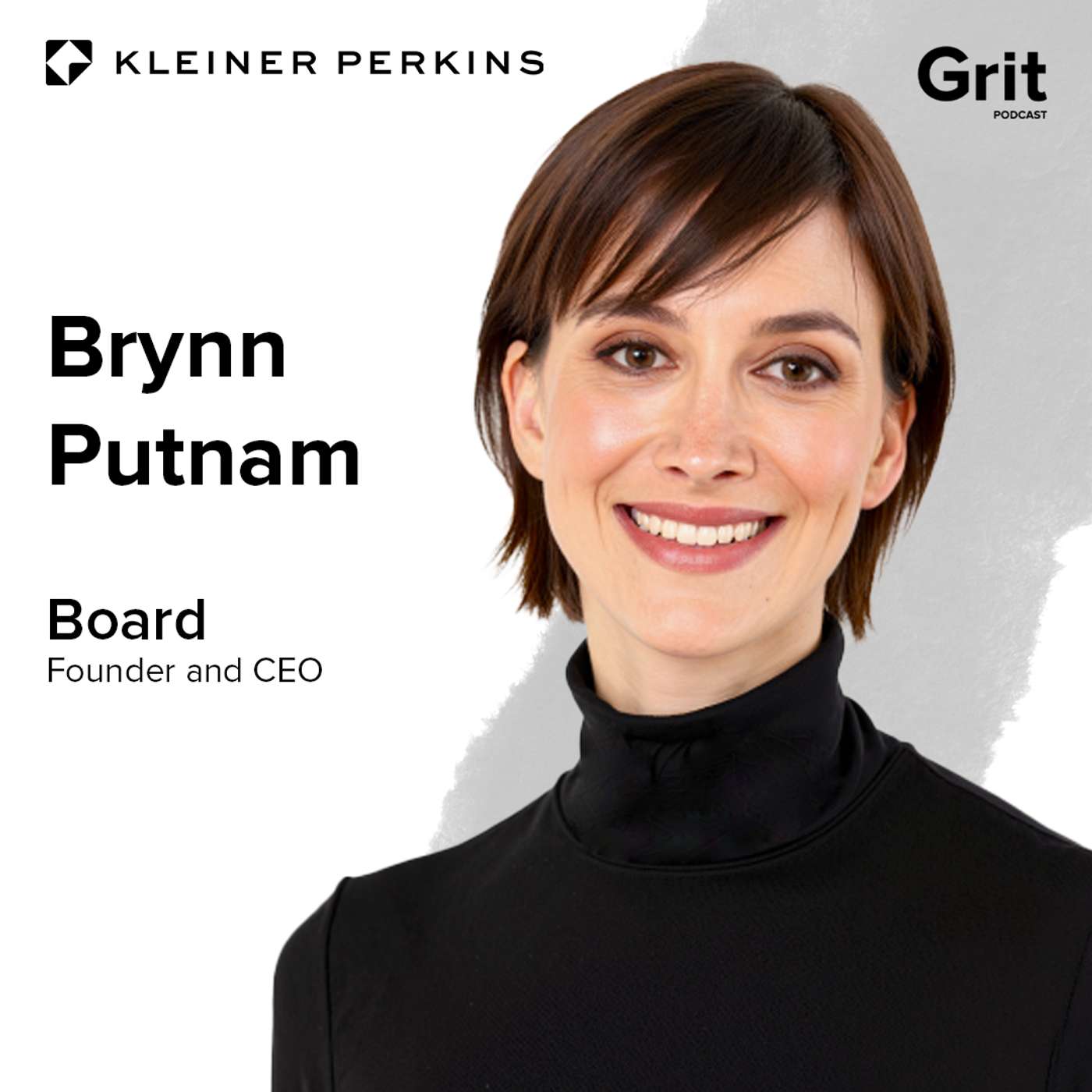
Before raising venture capital for Mirror, founder Bryn Putnam bootstrapped the initial year of R&D using profits from her four successful fitness studios. This provided non-dilutive capital and a safety net, allowing her to explore the high-risk hardware concept without immediate investor pressure.
Facing a tough biotech market and investor skepticism, MRM Health pivoted its fundraising strategy away from traditional institutional investors. The company successfully closed its Series B by focusing on a strategic partner (BioCodex) and a conviction-driven family office (Atos) who shared a long-term belief in the microbiome's potential.
Dr. Phil Low created a powerful feedback loop for commercialization by focusing 90% of his time on academic research and hiring experts to run his companies. He then used grants from those companies to fund his university lab, giving the companies first-refusal rights on any resulting patents, creating a direct innovation pipeline.
Buildern's founder used profits and talent from his previous $3M/year dev shop to bootstrap his SaaS for two years. This allowed him to build the product without revenue or significant outside capital, providing a pre-vetted team and a substantial runway from day one.

To maintain product focus and avoid the 'raising money game,' the founders of Cues established a separate trading company. They used the profits from this successful venture to self-fund their AI startup, enabling them to build patiently without being beholden to VC timelines or expectations.

Instead of rushing to the clinic, MRM Health deliberately slowed down for five years to develop its CORAL platform. This end-to-end platform solves strain selection, single-process manufacturing, and delivery upfront, preventing the CMC (Chemistry, Manufacturing, and Controls) issues that plagued earlier microbiome companies.
Successful acquisitions don't just benefit the acquired company's investors. These investors often reinvest their profits into new, earlier-stage ventures, providing crucial capital that fuels the entire biotech ecosystem's growth and innovation.
Repro Novo's co-founders invested their own money for the costly process of finding and negotiating assets. This allowed them to secure a promising candidate before approaching institutional investors, demonstrating strong conviction and de-risking the initial investment for VCs.

Arcus navigated its capital-intensive early years by using strategic collaborations to bring in over $1 billion in largely non-dilutive funding. This approach allowed the company to reach late-stage clinical milestones and generate valuable data, bridging the gap to a point where public market investors could see tangible value.

To manage the long, costly timeline of therapeutic development, a biotech can create revenue-generating subsidiaries. One can offer its platform as a service (like a CDMO), while another sells lower-regulation products like cosmetic ingredients for faster market entry. This provides crucial cash flow to sustain the core drug pipeline.
