Get your free personalized podcast brief
We scan new podcasts and send you the top 5 insights daily.
Dr. Phil Low created a powerful feedback loop for commercialization by focusing 90% of his time on academic research and hiring experts to run his companies. He then used grants from those companies to fund his university lab, giving the companies first-refusal rights on any resulting patents, creating a direct innovation pipeline.
Related Insights
Aphaia's co-founder, a full professor, credits his deep academic connections for the company's success. Being part of the University of Toronto, a hub for GLP-1 research, allowed him to vet his unconventional idea with world-leading experts. This access to high-caliber, informal peer review was critical for making the decision to move forward.

Yosemite provides unrestricted grants to academic scientists, de-risking novel research and building relationships. This early support creates a unique deal flow engine, leading to investment opportunities in companies that later spin out from this foundational work.

Dan Schmitt used his role as an Entrepreneur in Residence at Northwestern University to gain priority access to new technologies. This strategic position allowed him to secure the foundational asset for Actuate Therapeutics, directly bridging academic innovation with commercial enterprise.
A key driver of Sweden's entrepreneurial biotech culture is a law allowing inventors, such as university professors, to personally own the patents from their research. This contrasts with the US model where institutions retain IP rights, giving Swedish academics a direct incentive to commercialize their discoveries.
![Sten R. Sörensen, Cereno Scientific 🇸🇪 | Drug Repurposing, Retail Investors | E52 [Sponsored] thumbnail](https://d3t3ozftmdmh3i.cloudfront.net/staging/podcast_uploaded_episode/38602414/38602414-1770668818564-0e3602876c1a2.jpg)
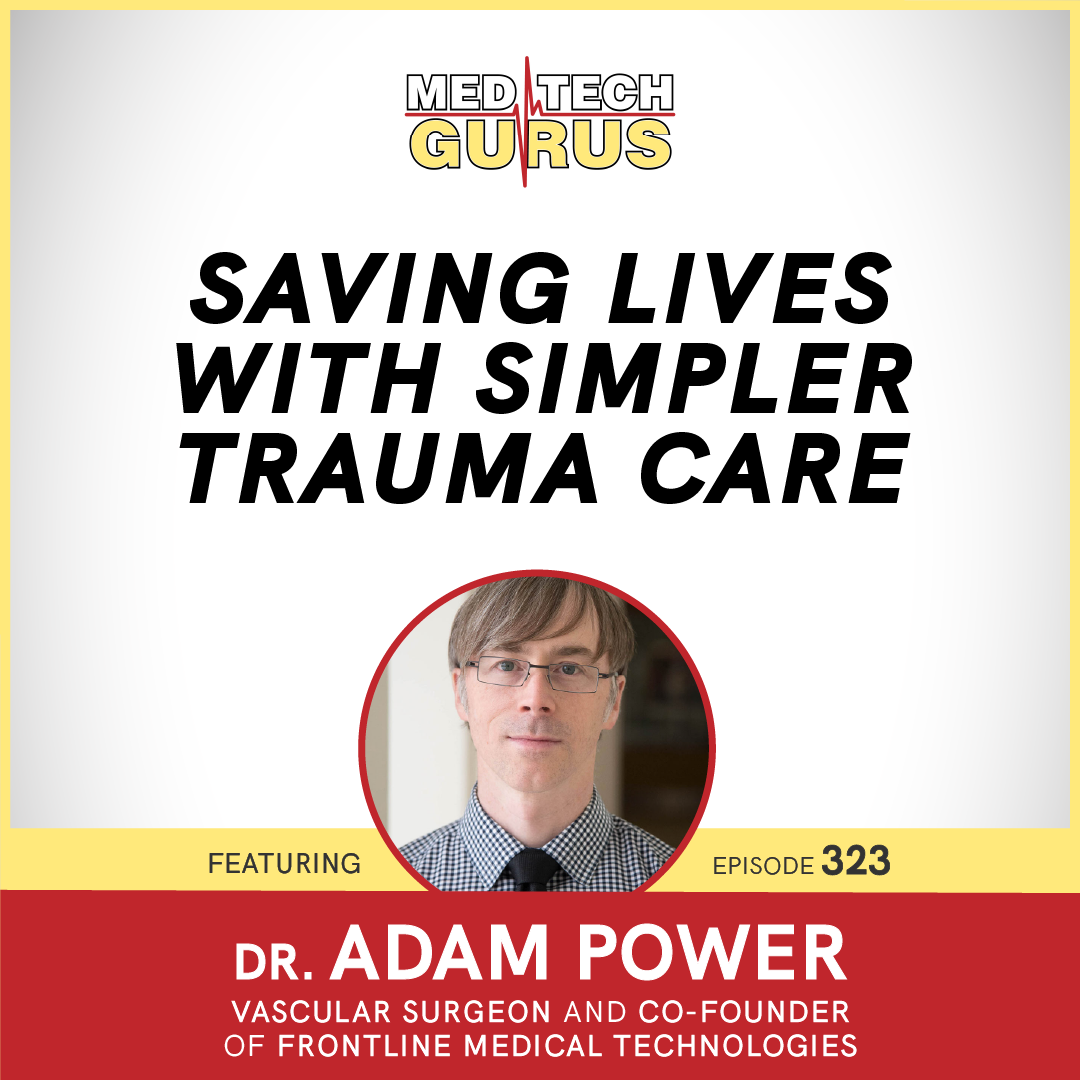
Institutional ownership of intellectual property can stifle a clinician's motivation to commercialize their idea. Dr. Adam Power advocates for an 'inventor-owned' IP model, arguing that no university department or tech transfer office will ever match the round-the-clock drive of the inventor themself.
After years of licensing their technologies to other companies post-proof-of-concept, the academic co-founders started Medera to take direct ownership. They identified a critical need to merge their deep scientific understanding with the practical execution required to translate lab insights into patient therapies themselves.

The Institute of Organic Chemistry and Biochemistry (IOCB) in Prague demonstrates how academic centers can build entire ecosystems. By using royalty income from major drug discoveries, it funded a dedicated technology transfer company (IOCB Tech) and even a US branch, creating a self-sustaining innovation engine.

A biotech investor's role mirrors that of a record producer by identifying brilliant talent (scientists) who may lack commercial experience. The investor provides the capital, structure, and guidance needed to translate raw scientific innovation into a commercially successful product.

Dr. Saav Solanki observes that many breakthrough medicines don't follow a linear path within one organization. Instead, they are developed collaboratively, often starting in a university lab, moving to a small biotech for initial development, and finally being acquired or licensed by a large pharma company for commercialization.

Airway Therapeutics' CEO founded a CRO to resolve the disconnect between academic research's discovery focus and industry's market-driven goals. This "translator" model aligned incentives and regulatory understanding, fostering more efficient drug development by merging clinical feasibility with commercial targets.