Get your free personalized podcast brief
We scan new podcasts and send you the top 5 insights daily.
When two Instinct users connect their agents for tasks like scheduling, they create a "Trusted Person Network." This is more advanced than a simple social graph because it involves configurable, weighted permissions (e.g., spouse has full access, colleague has calendar-only). This builds a defensible, nuanced network effect.
![Noah Shinn - Building Instinct: The Personal Agent - [Invest Like the Best, EP.493] thumbnail](https://megaphone.imgix.net/podcasts/ef669774-cccd-11ed-889b-c36caad6646f/image/158efdddfb983d2678b3530d484e8aa2.jpg?ixlib=rails-4.3.1&max-w=3000&max-h=3000&fit=crop&auto=format,compress)
Related Insights
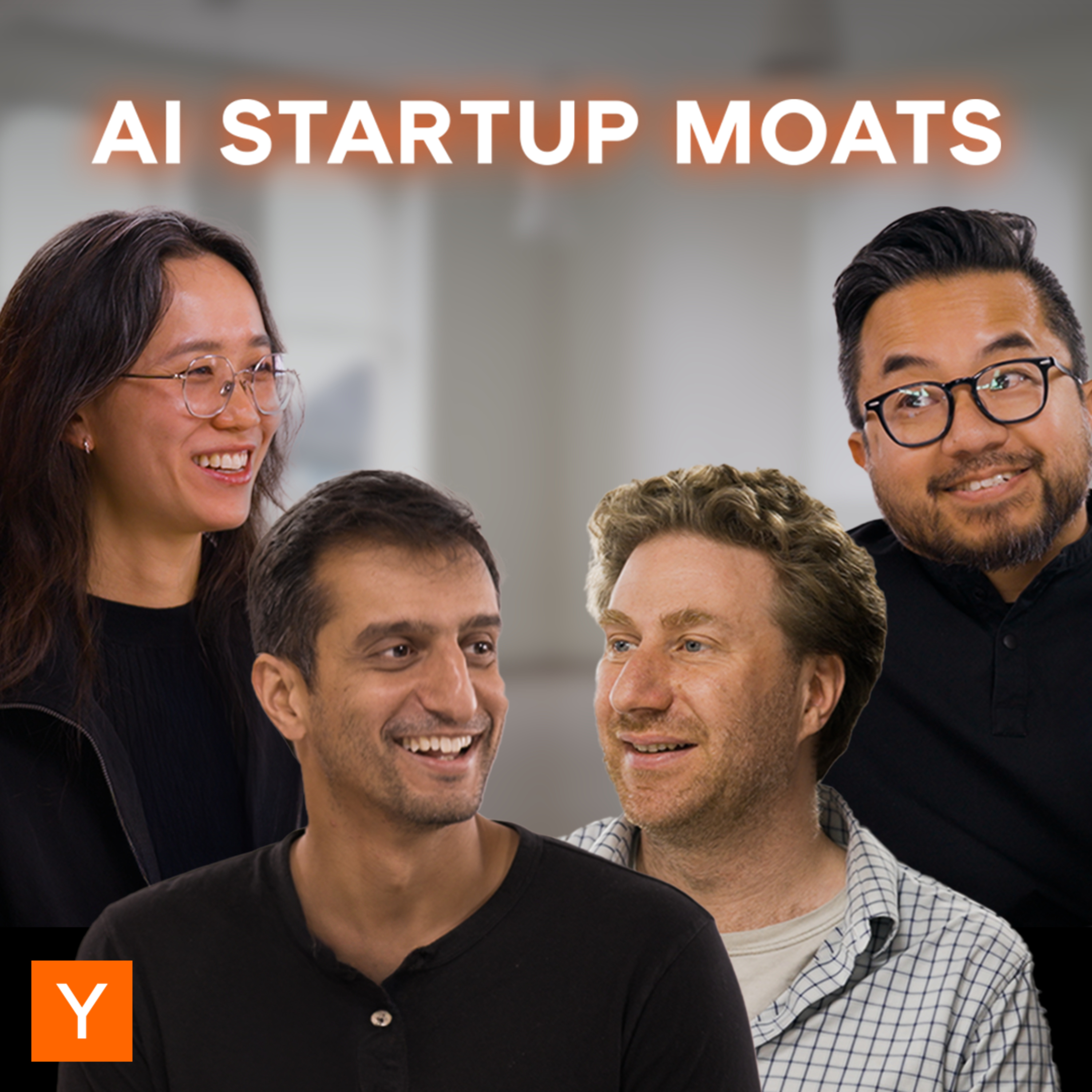
By enabling users' AI agents to coordinate with each other, Instinct is creating a powerful network effect for the 'agentic era'. This agent-to-agent communication layer serves as a strong competitive moat, locking users into its ecosystem as the network's value increases with each new user.

In the AI era, network effects are less about connecting users (like Facebook) and more about data acquisition. The more users interact with a product, the more proprietary data (keystrokes, clicks, workflows) is collected. This data is then used to train and improve the model, creating a better product that attracts more users.
AI agent platforms are powerful but operate in a single-player mode. The key to viral growth is introducing multiplayer functionality, allowing teams to bring their specialized agents into a shared environment. This turns a productivity tool into a collaborative platform with powerful network effects.

Single-player AI features are easily copied. The true defensibility for AI assistants lies in multiplayer functionality where agents can interact and share context-aware information on behalf of their users. This "agent-to-agent" communication creates a powerful, sticky network effect that locks in entire teams.

Sophisticated users are creating personal AI teams that mimic corporate structures. One user built a 34-agent system managed by an AI "chief of staff" that delegates tasks to sub-agents with specific roles and permissions, showcasing an advanced model for human-AI collaboration.

As AI accelerates technological progress and shortens relevance cycles, traditional tech moats become less defensible. However, network effects—especially in complex, fragmented marketplaces—remain a powerful and durable advantage. An AI agent cannot be simply prompted to "create a network effect."

As consumers adopt multiple AI agents, the key differentiator will shift from capabilities to trust. The willingness to grant access to sensitive data like inboxes, calendars, and APIs will determine which agent platform dominates.

Bordy's AI isn't just a tool; it's a "principled" agent that protects its own reputation and the network's health. By refusing bad introduction requests, it builds trust and prevents the network fatigue common in open platforms, making its connections more valuable.

Muse builds trust by offering two layers of transparency. For power users, an activity feed details every tool call. For average consumers, a gentle, progressive permission system explains each action and asks for consent, avoiding technical overload while ensuring the user feels in control.

Public AI agent platforms like Moldbook failed due to a lack of trust and signal. In contrast, deploying agents within a high-trust internal company environment allows them to securely share knowledge and collaborate effectively, dramatically increasing the collective capability of the organization.
