Get your free personalized podcast brief
We scan new podcasts and send you the top 5 insights daily.
The traditional project manager role, focused on delivering on time, budget, and scope, is obsolete. To create real value, PMs must shift their accountability from process adherence to owning the project's ultimate business outcomes and benefits, taking a proactive role in value delivery.
Related Insights
Progressive Project Management Offices (PMOs) are rebranding as Value Management Offices (VMOs). This reflects a shift from governing project processes to overseeing an organization's entire value portfolio, uniting both project and product streams under the common goal of customer value delivery.

Engineering often defaults to a 'project mindset,' focusing on churning out features and measuring velocity. True alignment with product requires a 'product mindset,' which prioritizes understanding the customer and tracking the value being delivered, not just the output.
Don't passively wait for an engaged executive sponsor. The most effective project managers take ownership of the relationship by proactively approaching sponsors, frankly discussing the project's needs, and coaching them on how to provide the necessary support, time, and decisions for the project to succeed.
The key mindset shift for a CPO is moving from focusing on the product to focusing on the business. The product organization becomes the primary lever you pull to achieve business goals, but your lens changes from product outcomes to overall business health and performance.

The definition of "cross-functional" is shifting from coordinating between departments to embodying multiple skills. To increase speed, modern PMs must directly perform tasks in design, user research, and even coding, rather than acting as a 'glorified cross-functional secretary.'

While many individual contributor PMs thrive on being scrappy and avoiding rigid process, a director's effectiveness is measured by their ability to create scalable systems and consistent practices. Overcoming an "allergy to process" is a mandatory step in the transition to a leadership role.
Owning a project launch means being accountable for its success, requiring more than execution. It involves proactively identifying all possible failure modes (technical, infrastructural, etc.) and systematically working backward to prevent them. This active risk mitigation is the essence of strong ownership.

Stop defining a manager's job by tasks like meetings or feedback. Instead, define it by the goal: getting better outcomes from a group. Your only tools to achieve this are three levers: getting the right People, defining the right Process, and aligning everyone on a clear Purpose.
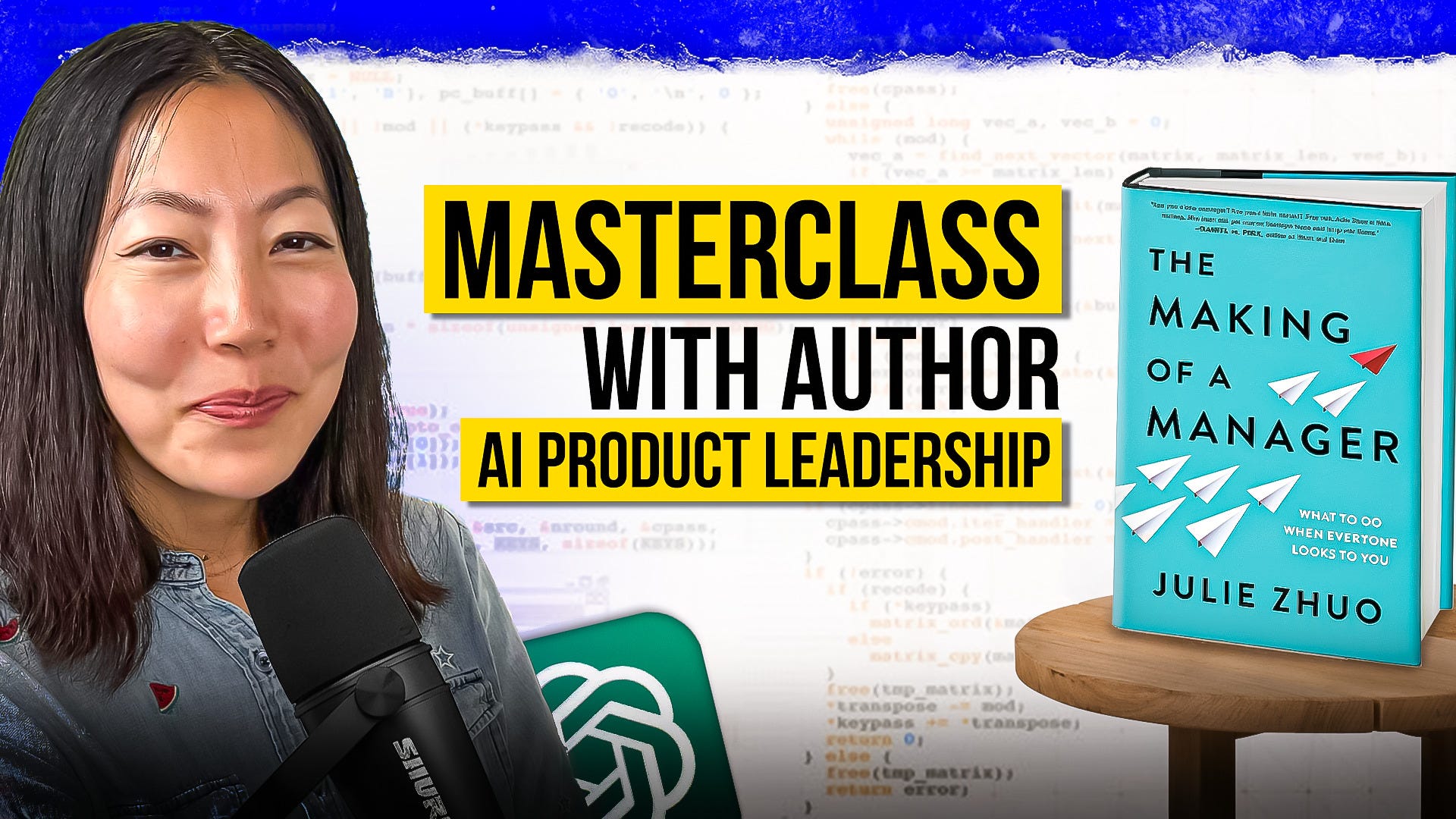
While AI doesn't change the PM's core job of picking problems and aligning teams, it demands a new skill: delegation. PMs must unlearn the instinct to solve every problem themselves and instead learn to delegate tasks to AI, while owning the evaluation of the output. Idea generation is now cheap.

A common founder mistake is hiring a first product manager to simply prioritize and ship a backlog of ideas. Instead, PMs create the most value when given ownership of a key metric and the autonomy to drive user and business outcomes.