Get your free personalized podcast brief
We scan new podcasts and send you the top 5 insights daily.
Rob Ferguson says 10,000 GPUs represent roughly $1 billion, and a small model may need 80-plus GPUs plus replication. Because idle time drives up costs for everyone, Fireworks buys across 20 clouds and runs serverless to keep clusters busy. That operational load is the real barrier at the high end.

Related Insights
The choice to self-host isn't about a 'free' model versus a paid API. It's a trade-off between a variable per-token bill and a massive fixed GPU bill plus operational overhead. Self-hosting only becomes economical when you have enough consistent workload to keep the expensive hardware perpetually busy; otherwise, an API is cheaper.

The advertised per-hour GPU cost is misleading. Because research workloads are spiky and unpredictable, labs over-provision compute. This rampant underutilization means the effective price paid is often 10 times higher than the marketed rate, creating massive deadweight loss.

While AI compute demand seems limitless, its price is not infinitely elastic. As inference becomes a core cost of goods sold (COGS) for AI products, excessively high compute prices will break the business models of infrastructure customers, ultimately limiting demand.

In AI infrastructure, the capital cost of GPUs (~80%) dwarfs operational costs. Therefore, getting a multi-billion dollar cluster online a few months earlier generates far more value than optimizing for TCO, justifying seemingly wasteful spending on stopgaps like mobile chillers to bypass construction delays.

The high cost of GPUs means any inefficiency during model training is extremely expensive. This economic reality justifies building specialized, AI-focused infrastructure with features like advanced observability and optimized storage to maximize GPU utilization and prevent costly delays from failures or slowdowns.
While renting GPUs works for smaller tasks, serious, large-scale model training requires owning a GPU cluster. This is because training needs a gigantic, co-located memory card with all the data directly accessible, a setup that cloud providers cannot easily or cheaply replicate for renters.
A key challenge with cloud-deployed agents is their lack of cost discipline; they often keep expensive GPU instances running unnecessarily. This is fueling a trend towards using powerful, one-time-purchase local hardware like the DGX Spark for agent development and deployment.
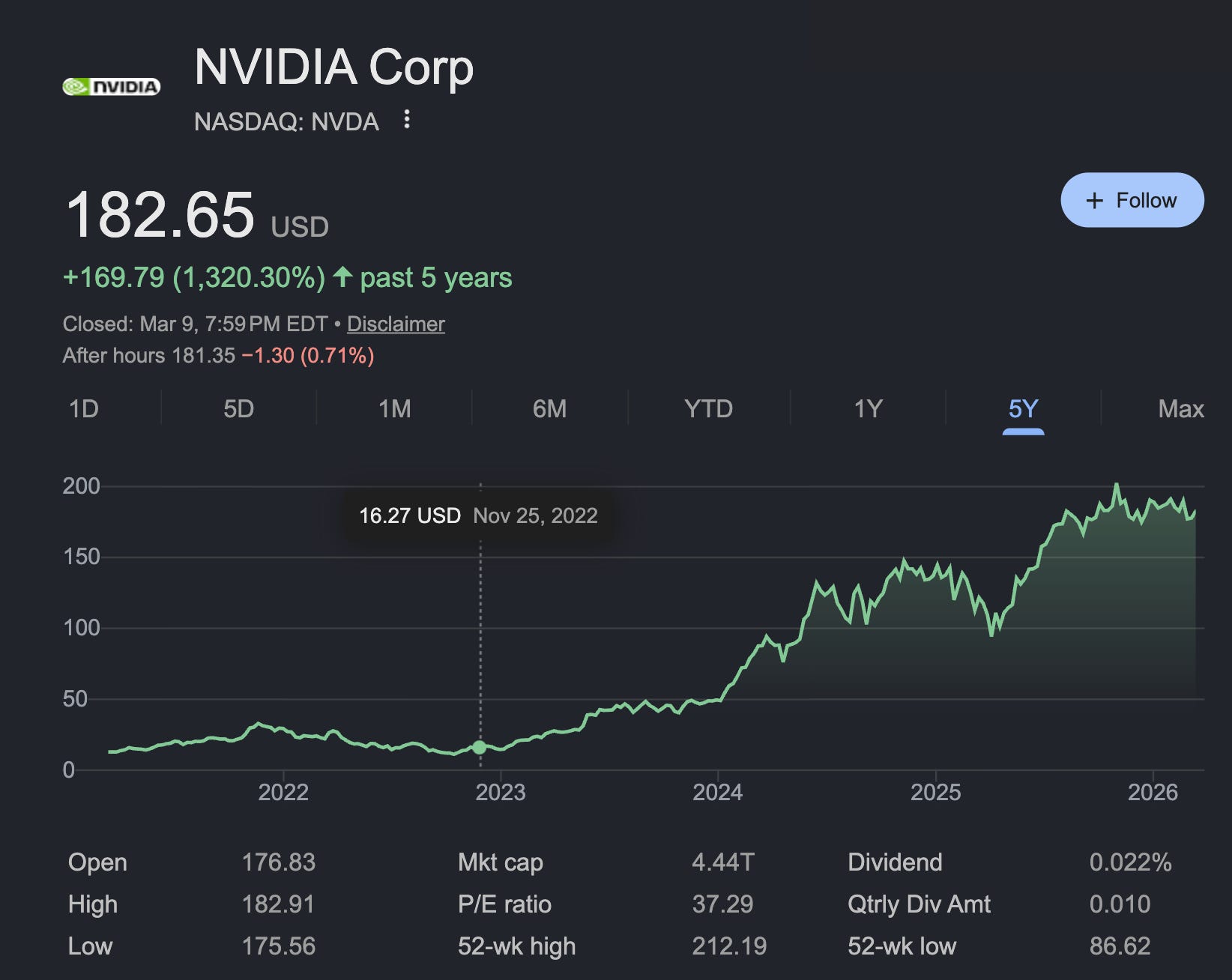
The report of XAI's low GPU utilization reveals a critical, non-obvious bottleneck in AI: it's not just about acquiring compute, but using it efficiently. This 'FLOPS utilization' problem, caused by architectural and load-balancing issues, means billions in hardware sits underused, creating an opportunity for companies that can optimize the compute stack.

Unlike most bulk purchases, renting large quantities of interconnected GPUs actually increases the price per hour. This is because very few suppliers can fulfill massive orders (e.g., 10,000+ GPUs) simultaneously. This scarcity at the high end of the market inverts the typical logic of bulk discounts.

A major paradox exists in AI development: companies are desperate for scarce GPUs, yet often fail to use them efficiently. Even well-funded labs like XAI report model flops utilization as low as 11%, far below the 40% practical target, due to inconsistent workloads and data transfer bottlenecks.
