Get your free personalized podcast brief
We scan new podcasts and send you the top 5 insights daily.
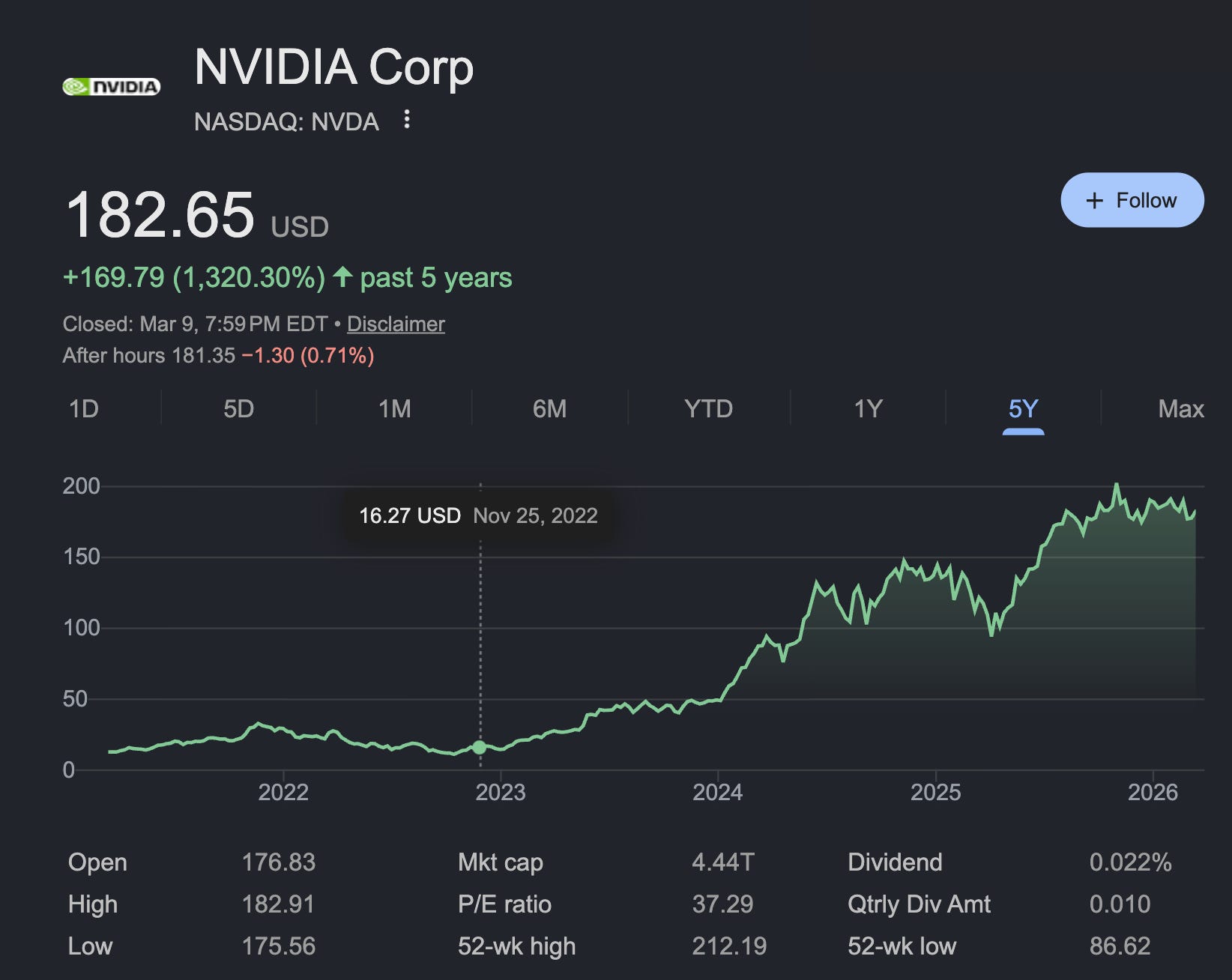
A key challenge with cloud-deployed agents is their lack of cost discipline; they often keep expensive GPU instances running unnecessarily. This is fueling a trend towards using powerful, one-time-purchase local hardware like the DGX Spark for agent development and deployment.
Related Insights
George Hotz outlines a contrarian AI infrastructure strategy. Instead of expensive enterprise hardware, Tiny Corp plans to use upcoming consumer AMD GPUs, pair them with extremely cheap power in Oregon (~$0.03/kWh), and sell compute tokens on existing platforms. This low-overhead model aims to undercut traditional cloud providers.
The frenzy over Mac Minis to run Moltbot is a "sideshow." The true economic impact is the massive increase in GPU/TPU demand for inference. Each user running a persistent personal agent is effectively consuming the output of a dedicated data center chip, not just a local machine.

While cloud hosting for AI agents seems cheap and easy, a local machine like a Mac Mini offers key advantages. It provides direct control over the agent's environment, easy access to local tools, and the ability to observe its actions in real-time, which dramatically accelerates your learning and ability to use it effectively.

The technical friction of setting up AI agents creates a market for dedicated hardware solutions that abstract away complexity, much like Sonos did for home audio, making powerful AI accessible to non-technical users.

The high operational cost of using proprietary LLMs creates 'token junkies' who burn through cash rapidly. This intense cost pressure is a primary driver for power users to adopt cheaper, local, open-source models they can run on their own hardware, creating a distinct market segment.
The rise of agent orchestration using specialized, open-source models will drive demand for custom ASICs. Jerry Murdock argues that putting a model on a dedicated chip will be far cheaper and more tunable for specific workloads than using expensive, general-purpose GPUs like Nvidia's, spurring a hardware shift.

The high cost and data privacy concerns of cloud-based AI APIs are driving a return to on-premise hardware. A single powerful machine like a Mac Studio can run multiple local AI models, offering a faster ROI and greater data control than relying on third-party services.
While local coding agents have product-market fit today, OpenAI's Michael Bolin argues the long-term trend is remote agents. To achieve true automation—like having an agent autonomously tackle every new bug ticket—workloads must run in the cloud, unconstrained by a developer's personal machine.

The success of personal AI assistants signals a massive shift in compute usage. While training models is resource-intensive, the next 10x in demand will come from widespread, continuous inference as millions of users run these agents. This effectively means consumers are buying fractions of datacenter GPUs like the GB200.
As AI agents evolve from information retrieval to active work (coding, QA testing, running simulations), they require dedicated, sandboxed computational environments. This creates a new infrastructure layer where every agent is provisioned its own 'computer,' moving far beyond simple API calls and creating a massive market opportunity.
