Get your free personalized podcast brief
We scan new podcasts and send you the top 5 insights daily.
The lack of a great pre-installed game on new consoles isn't an oversight but a calculated business decision. Platforms prioritize capturing user payment details immediately by forcing a download, avoiding sales cannibalization from third-party developers, and maintaining options for lucrative paid bundling deals.

Related Insights
Investors in large acquisitions, like the EA deal, are mercenaries who operate based on spreadsheets, not a love for the product. They analyze future revenue streams, like mobile microtransactions, and are "leading from behind" by monetizing proven user behavior, not innovating from the front.

Satya Nadella redefines the competitive landscape for gaming, stating that the primary battle is for attention against platforms like TikTok, not just against other gaming companies. This perspective forces a strategic shift towards creating new forms of interactive media to compete for user engagement time.
Roblox initially built platform-level features like clan rankings, which was a strategic misstep. They learned a platform's job is to provide tools and infrastructure, then trust its creators to build specific experiences, rather than trying to become a game developer itself.

According to Palmer Luckey, electronics companies add unwanted crapware and ads because they are in a race-to-the-bottom on price, and no single company can afford to stop alone. He argues that a differentiated product focused on user experience could break this cycle and capture a large, underserved market.
While Over-the-Air (OTA) updates seem to make hardware software flexible, the initial OS version that enables those updates is unchangeable once flashed onto units at the factory. This creates an early, critical point of commitment for any features included in that first boot-up experience.
The "console war" is over not because one side won, but because the key players' strategies have diverged. Microsoft's Xbox is now console-agnostic and platform-focused, while Sony's PlayStation remains centered on exclusive hardware, meaning they no longer compete for the same territory.
The iconic N64 game 'GoldenEye' was released 20 months after the film, yet its success demonstrated that a high-quality, polished game can succeed independently of a film's promotional cycle. This contradicts the long-held media belief that tie-in products must launch simultaneously.

The company's 'Netflix for games' service failed because the user behavior model was flawed. Unlike movies, which are consumed in hours, gamers often engage deeply with a single game for months or years. This long lifespan per title weakens the value proposition of a broad, all-you-can-play subscription.

Sony neutralized Sega's technologically superior Dreamcast by pre-emptively marketing the upcoming PlayStation 2. They used evocative but abstract concepts like the "Emotion Engine" to convince consumers to wait, demonstrating how a powerful marketing narrative can defeat a superior product already on the market.
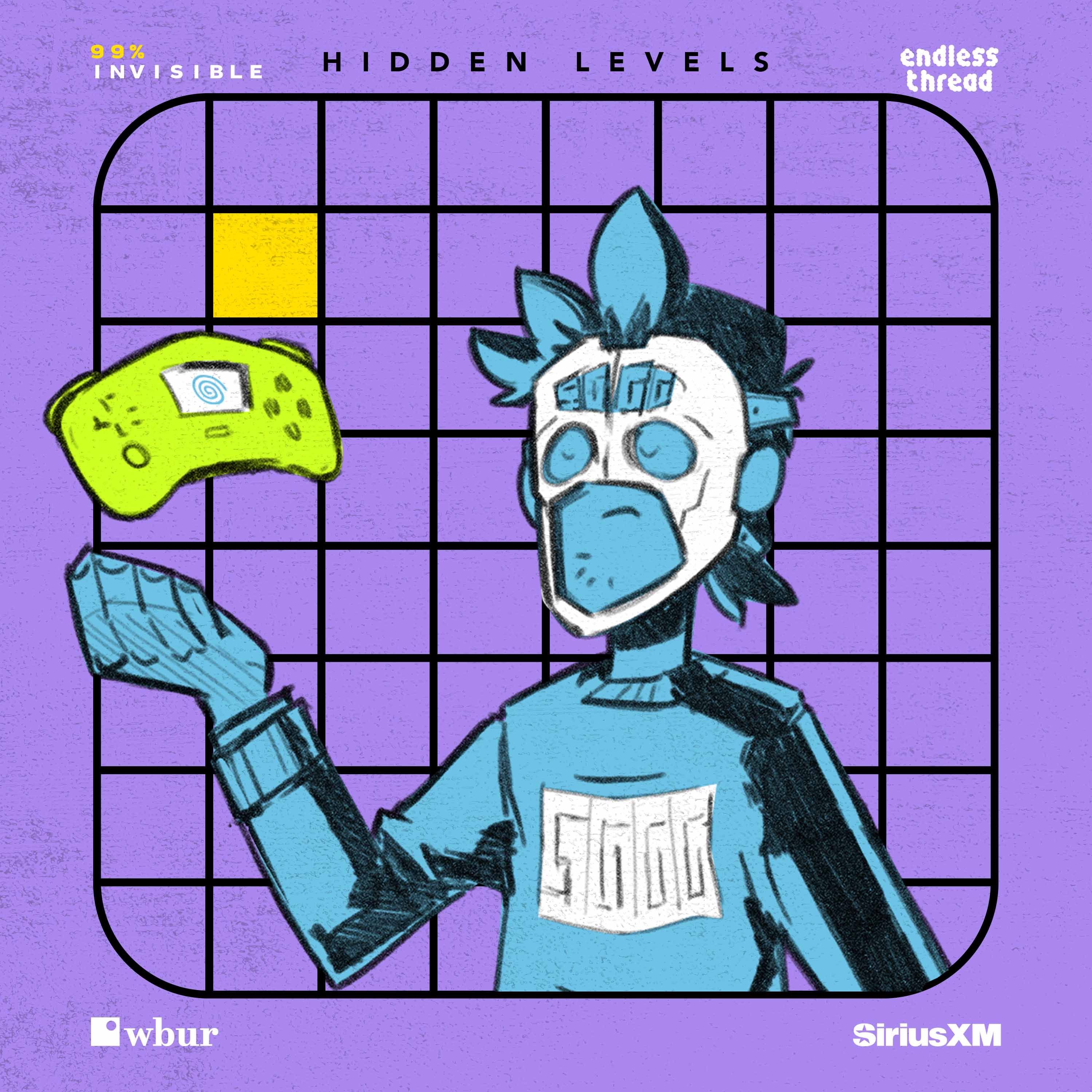
"Anti-delight" is not a design flaw but a strategic choice. By intentionally limiting a delightful feature (e.g., Spotify's skip limit for free users), companies provide a taste of the premium experience, creating just enough friction to encourage conversion to a paid plan.