Get your free personalized podcast brief
We scan new podcasts and send you the top 5 insights daily.
Due to a lack of conclusive research on AI's learning benefits, a top-down mandate is risky. Instead, AI analyst Johan Falk advises letting interested teachers experiment and discover what works for their specific students and classroom contexts.

Related Insights
Research on school climates shows that forcing teachers to use specific generative AI systems for tasks like lesson planning or feedback is demotivating. This loss of professional autonomy and control over their work environment is a key factor in teacher resistance to new technology.
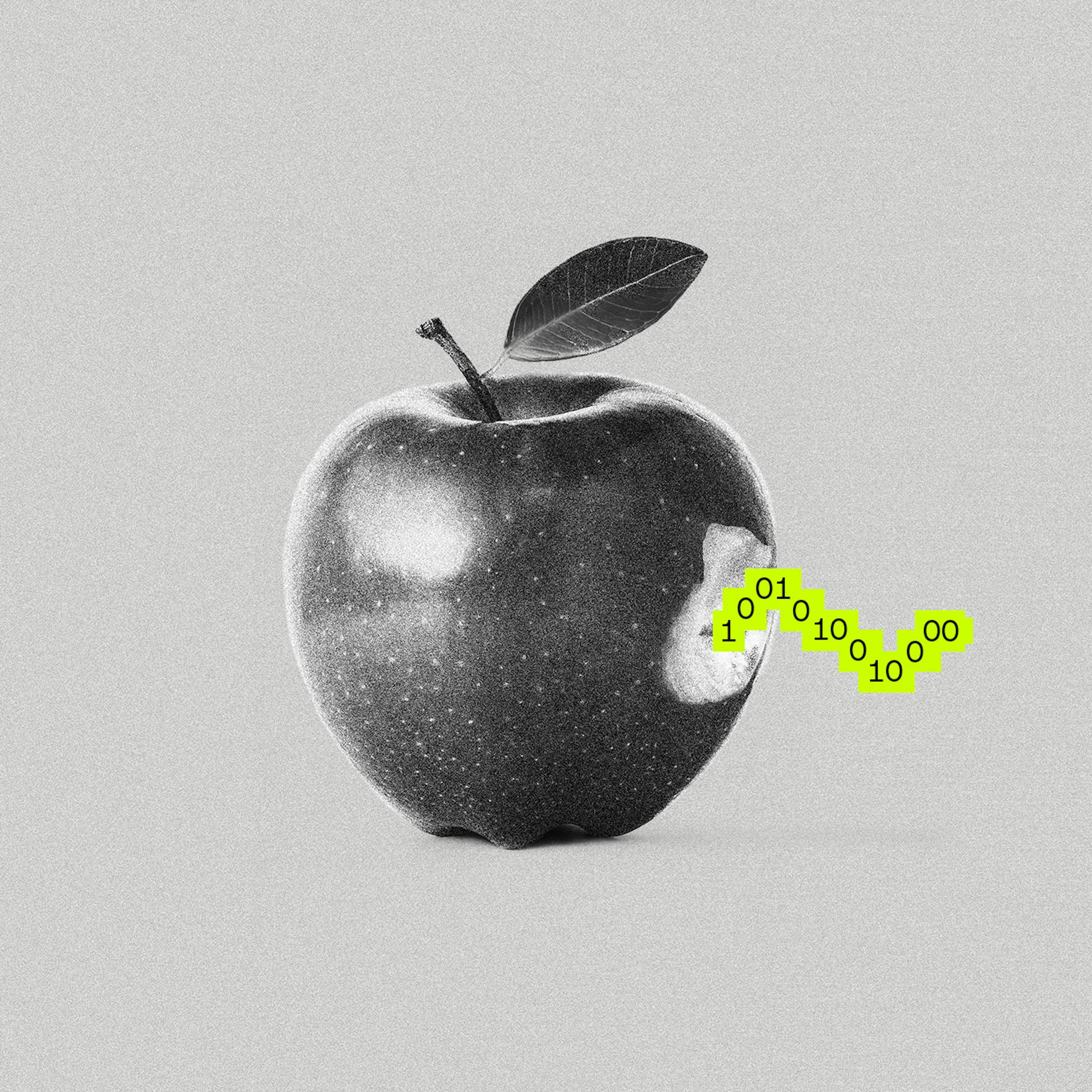
Mandating AI usage can backfire by creating a threat. A better approach is to create "safe spaces" for exploration. Atlassian runs "AI builders weeks," blocking off synchronous time for cross-functional teams to tinker together. The celebrated outcome is learning, not a finished product, which removes pressure and encourages genuine experimentation.

AI agent platforms are typically priced by usage, not seats, making initial costs low. Instead of a top-down mandate for one tool, leaders should encourage teams to expense and experiment with several options. The best solution for the team will emerge organically through use.

Organizations fail when they push teams directly into using AI for business outcomes ("architect mode"). Instead, they must first provide dedicated time and resources for unstructured play ("sandbox mode"). This experimentation phase is essential for building the skills and comfort needed to apply AI effectively to strategic goals.

The best way for educators to adapt to AI is to embrace it as a learning tool for themselves. By openly experimenting, making errors, and learning alongside students, they model the resilience and curiosity needed to navigate a rapidly changing technological landscape.
Overcoming teacher reluctance to adopt AI starts with a small, tangible benefit. The simple goal of saving five minutes a day encourages practical, hands-on use, which builds comfort and reveals AI's utility, naturally leading to deeper, more pedagogical exploration.
Instead of policing AI use, a novel strategy is for teachers to show students what AI produces on an assignment and grade it as a 'B-'. This sets a clear baseline, reframing AI as a starting point and challenging students to use human creativity and critical thinking to achieve a higher grade.

Employees hesitate to use new AI tools for fear of looking foolish or getting fired for misuse. Successful adoption depends less on training courses and more on creating a safe environment with clear guardrails that encourages experimentation without penalty.

Instead of allowing AI to atrophy critical thinking by providing instant answers, leverage its "guided learning" capabilities. These features teach the process of solving a problem rather than just giving the solution, turning AI into a Socratic mentor that can accelerate learning and problem-solving abilities.
Analyst Johan Falk argues that focusing on AI for student learning and teacher admin is a distraction. The more critical priorities are teaching students *about* AI and adapting the educational system to its long-term impacts, which are currently neglected.