Get your free personalized podcast brief
We scan new podcasts and send you the top 5 insights daily.
Historically, authorities misidentify truly transformative ideas. The 16th-century Inquisition obsessively censored minor Protestant theological disputes while ignoring Machiavelli. Later, censors worried more about astrology in *Paradise Lost* than its revolutionary anti-monarchal rhetoric. Censors are poor predictors of which ideas will actually change the world.

Related Insights
The concept of "malinformation" reveals that governments aim to control not just lies, but also truths they deem too upsetting or disruptive for the public to know, creating a dangerous precedent for censorship.
Attempts to shut down controversial voices often fail. Instead of disappearing, suppressed ideas can fester and become more extreme, attracting an audience drawn to their defiance and ultimately strengthening their movement.
Jane Fonda points out that historically, authoritarian regimes always attack artists and educators first. These groups are the "storytellers" who control the cultural narrative and shape how people think and feel. By silencing them, a regime can more easily impose its own version of reality.

The popular perception of Galileo challenging religious dogma has a greater cultural impact than the specific, nuanced arguments in his actual writings. A book's power can derive from what people believe it represents, even if they've never read it or misunderstand its contents.
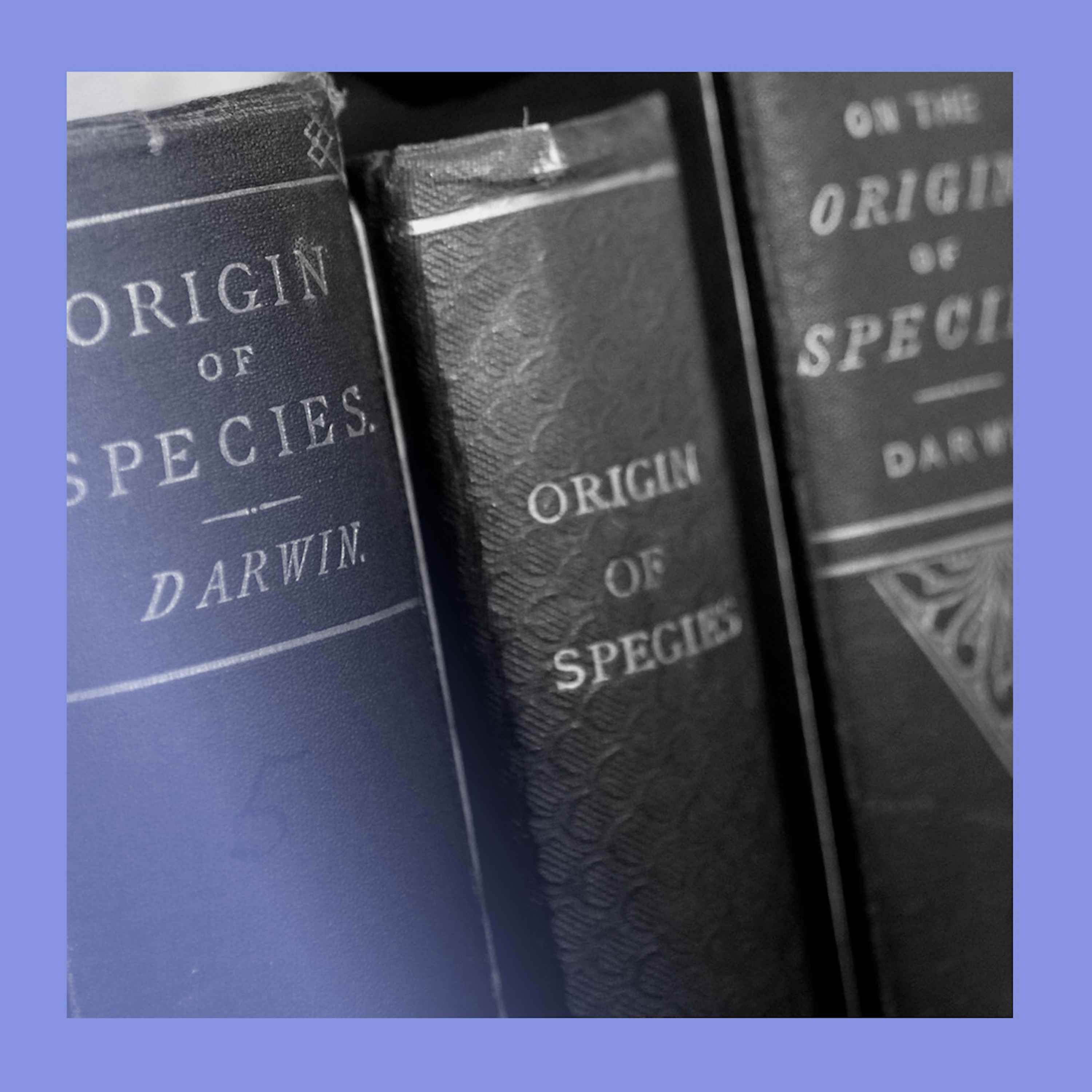
The modern form of government censorship has evolved beyond fighting disinformation (lies) to combating "malinformation." This is information that is factually true but deemed socially or politically inconvenient. This shift represents a move toward an Orwellian "ministry of truth" where inconvenient facts are suppressed.
The concept of "mal-information"—factually true information deemed harmful—is a tool for narrative control. It allows powerful groups to suppress uncomfortable truths by framing them as a threat, effectively making certain realities undiscussable even when they are verifiably true.

The hosts argue that movements against "wokeness," often championed by self-proclaimed classical liberals, create a moral panic that results in extreme actions. This can lead to unintended consequences like censoring classical philosophy, which then surprises the movement's originators.

The premise for government censorship is that the average person cannot discern truth from falsehood. This logic is self-defeating. The government officials tasked with being "watchmen" are also human and equally fallible. If humans are incapable of judging information for themselves, they are certainly incapable of judging it for others.
World-changing ideas are often stifled not by direct threats, but by the creator's own internal barriers. The fear of social exclusion, of being "flamed on Twitter," or of hurting loved ones causes individuals to self-censor, anticipating external pressures before they even materialize.
Long novels, now the gold standard for deep focus, were once considered dangerous “junk food” that distracted people from prayer and duty. This historical pattern suggests our current panic over digital media may be similarly shortsighted and lacking perspective.
