Get your free personalized podcast brief
We scan new podcasts and send you the top 5 insights daily.
Generic advice like "diet and exercise" is ineffective for cancer patients. Clinicians should adopt a pharmaceutical model, prescribing specific types and "doses" of diet and exercise based on a patient's unique metabolic profile, treatment, and clinical goals, rather than handing out a generic brochure.

Related Insights
While precision medicine has focused on tumor biology, this research suggests a broader "precision care" approach is needed. This involves tailoring treatment, such as drug dosage, based on patient-specific factors like physiology, functional reserve, and personal goals, not just genomic markers.

The clinical goal for prescribing exercise dictates the regimen. A prescription for managing treatment-related fatigue will differ significantly from one intended as a direct anti-cancer therapy or for preventing long-term cardiometabolic disease. The type, dose, and intensity must match the specific indication.
Competitive advantage in the weight-loss drug market is shifting from maximizing total weight lost to the *quality* of that loss. The next frontier involves preserving muscle while reducing fat and minimizing side effects like nausea. This signals a market evolution toward more nuanced, patient-centric solutions beyond a single metric.

Long-term, high-dose GLP-1 use leads to diminishing returns and significant muscle loss. A more effective strategy is using micro-doses in 90-day cycles, paired with nutritional coaching. This approach uses the drug as a temporary tool to eliminate carb cravings and establish lasting dietary habits.

Chemotherapy is known to worsen metabolic parameters, but this should be viewed as an opportunity, not just a side effect. By actively correcting this metabolic dysfunction with adjunctive therapies, clinicians may be able to enhance the overall life-saving benefit of the chemotherapy itself.
Beyond direct physiological changes, GLP-1s help correct underlying physiology, which restores the mental and physical resources needed to maintain fundamentals like sleep, exercise, and nutrition. This secondary effect can be more profound than the drug's primary action.

Data from the CO21 trial shows a structured exercise program provides a 7% improvement in overall survival for high-risk colon cancer patients. This non-pharmacological intervention demonstrates a greater survival benefit than the established 5% gain from adding oxaliplatin to chemotherapy.
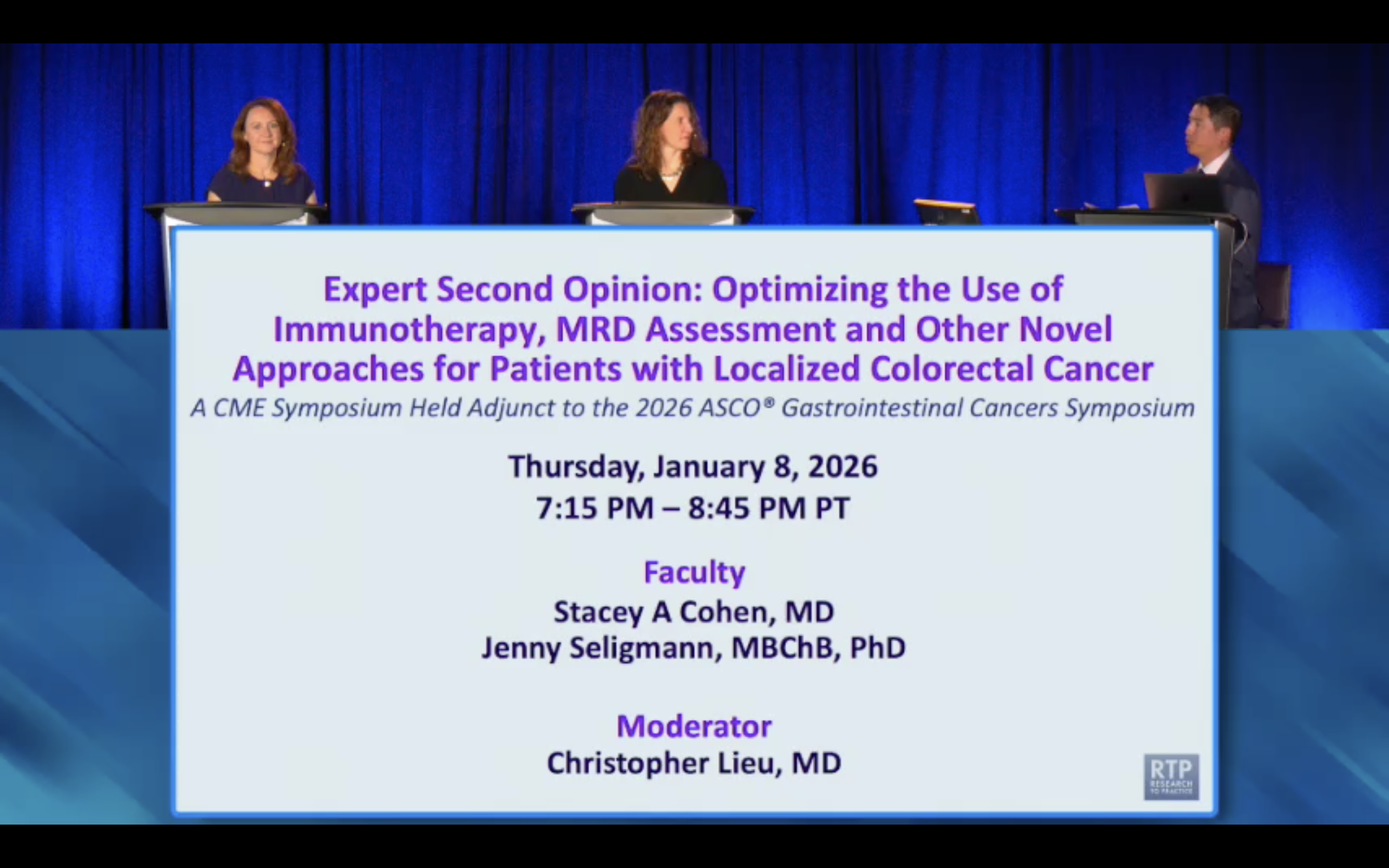
Modern breast cancer treatment has shifted from a 'one-size-fits-all' aggressive approach to a highly individualized one. By de-escalating care—doing smaller surgeries, minimizing radiation, and sometimes omitting chemotherapy or lymph node biopsies—clinicians can achieve better outcomes with fewer long-term complications for patients with favorable disease characteristics.
A major problem with GLP-1 drugs is that users often regain weight after stopping because they haven't learned new habits. Nutrisense addresses this by providing data and coaching to build sustainable lifestyle changes, making it a complementary, long-term solution.

When prescribed multiple drugs, ask your doctor for the single, longest-studied, most innocuous option to start with. Test that one drug for a few months. You may be a "hyper-responder" and solve the issue with a minimal intervention, avoiding decades of potential side effects from a multi-drug regimen.
