Get your free personalized podcast brief
We scan new podcasts and send you the top 5 insights daily.
When CAA's founders broke away, they were mocked as 'the TV boys' because established agencies held all the movie stars. Rather than fight for movie scraps, they embraced television and pioneered packaging. By grouping actors, directors, and writers together and selling them as a single package to TV networks, they traded upfront 10% commissions for recurring residual backend percentages that turned long-running broadcast series into multi-decade rivers of cash.

Related Insights
Ari Emanuel argues the agent's role has fundamentally shifted. Instead of just connecting talent to projects, agencies like Endeavor now assemble the entire creative package—writers, directors, actors—and present it to distributors. This moves the core creative assembly power from studios to full-service agencies.
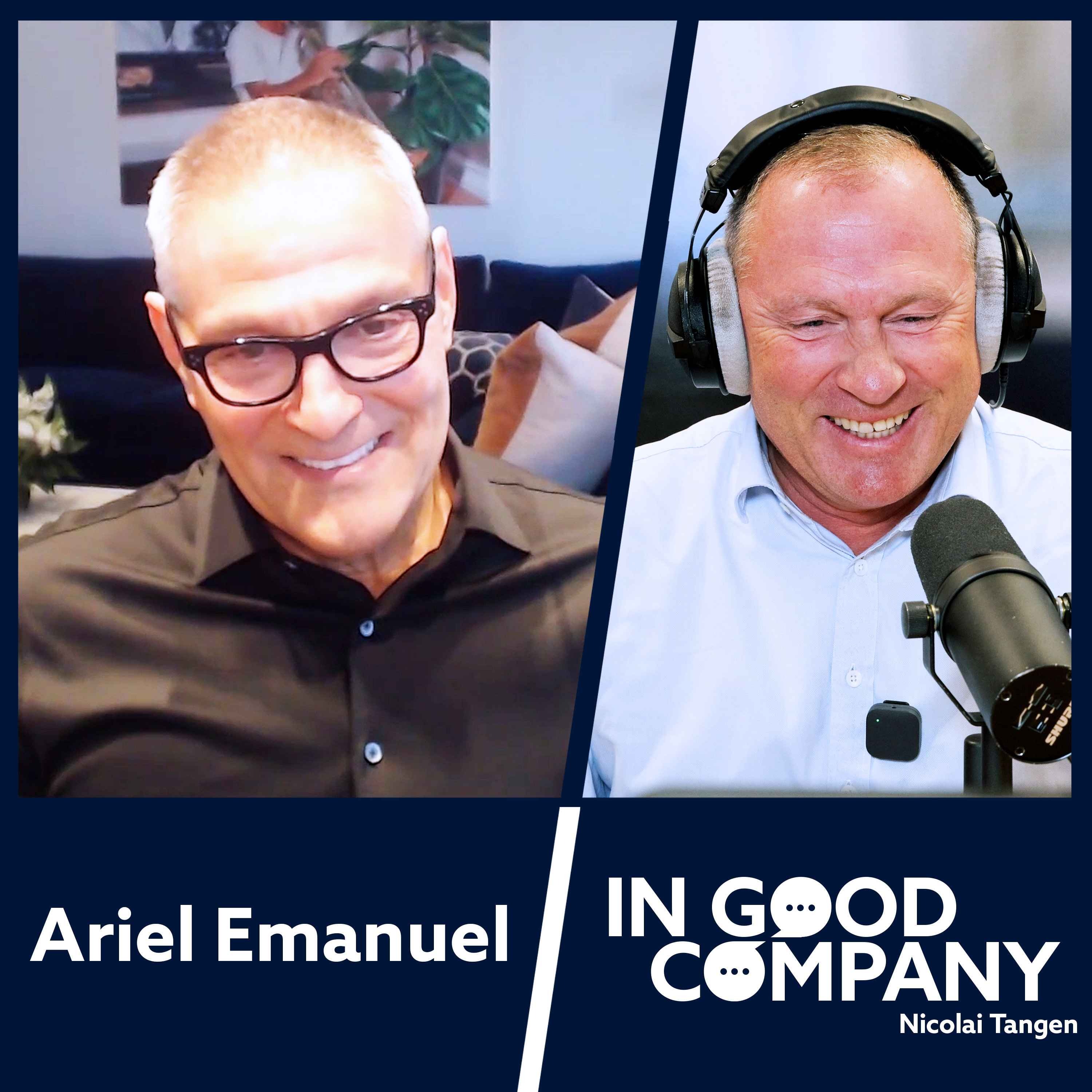
Emanuel's agency, Endeavor, used its unique position representing global talent to identify undervalued sports and entertainment properties. By acquiring these localized assets (like UFC), they could apply their global infrastructure to unlock massive value that the original owners couldn't access, capturing 90% of the value instead of a 10% agent fee.
CAA's new $250M fund signals a shift in the creator economy. Instead of simply taking a percentage or buying future ad revenue, the agency is investing in the entire business entity of top creators. This treats creators as scalable media companies, not just talent.

Top talent agencies are evolving their business model for the creator economy. Instead of simple commissions, they now take equity and a seat on the cap table of creator-founded brands, reflecting their deep involvement in packaging, distribution, and marketing—acting more like a co-founder than an agent.

Instead of the industry-standard "one client, one agent" model, CAA assigned multiple agents to every client. This ensured clients always had someone to talk to and prevented them from leaving if they tired of one person.
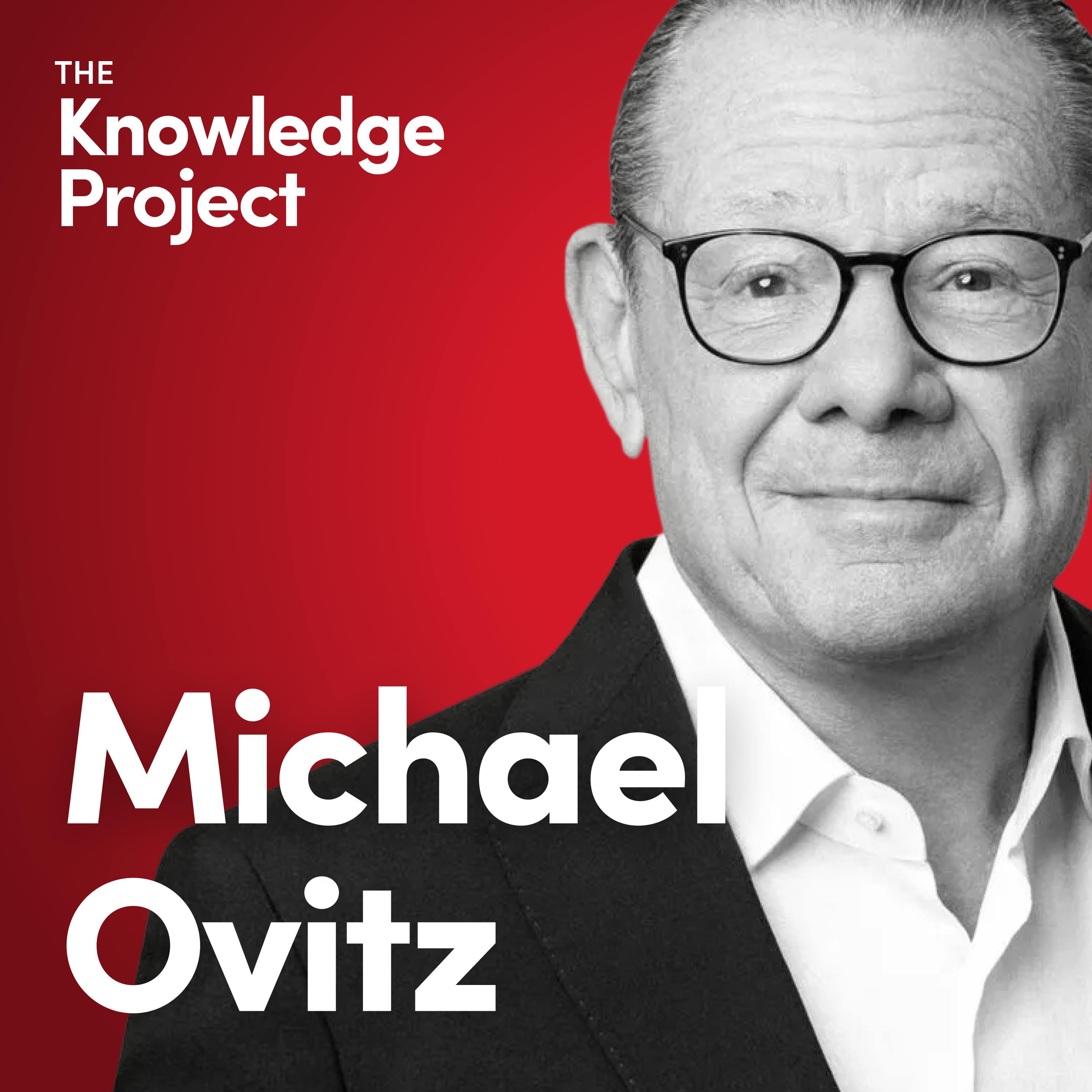
Top-tier creators are evolving their business models beyond simple sponsorships. They now leverage their influence to secure equity stakes or a percentage of sales they generate, enabling them to capture long-term upside and align more deeply with the brands they promote.

A key opportunity exists in pairing successful creators, who have audience and cultural relevance but lack business infrastructure, with media companies that possess monetization engines but have lost touch with talent-driven content. This symbiotic relationship forms the basis for a modern media M&A strategy.

A16z rejected the traditional 'lone wolf' VC partner model. Instead, it adopted the strategy of Hollywood's CAA, where clients get the full power of the entire firm's network and services. This 'phalanx' approach creates a significant competitive advantage over siloed competitors.

Unlike traditional Hollywood's clear agent (deals) vs. manager (career) split, the creator space demands an integrated approach. Because creators are talent, producers, and business owners, their representation must be equally multifaceted, blending business development with day-to-day strategic and content guidance.
Agencies escape the vendor trap by becoming a 'business growth partner.' This involves adding diagnostic assessments and coaching to solve root problems—like poor sales processes or front-desk failures—instead of just delivering leads. This pivot changes the client relationship from a commodity service to a trusted advisory role, justifying higher prices.
