Get your free personalized podcast brief
We scan new podcasts and send you the top 5 insights daily.
Unlike traditional Hollywood's clear agent (deals) vs. manager (career) split, the creator space demands an integrated approach. Because creators are talent, producers, and business owners, their representation must be equally multifaceted, blending business development with day-to-day strategic and content guidance.

Related Insights
The perception of a single individual producing a high volume of quality content is often a myth. Behind the scenes, a dedicated team handles research, idea generation, drafting, and editing. True scale and greatness in content creation are achieved through leveraging the "agency of others."

The conflict between Alex Cooper and Alex Earle highlights two creator business models. While Earle is the talent ("player"), Cooper has become a "player-coach" by building a media network and ad agency around her own brand, while still being the star creator. This dual role of being both talent and executive is key to building a conglomerate.

The creator economy has seen a rise in "managers" who offer little strategic value. Instead of long-term career planning, they simply manage an email inbox and chase deals, taking a 20% cut. This contrasts sharply with traditional managers who actively build a creator's brand and longevity.

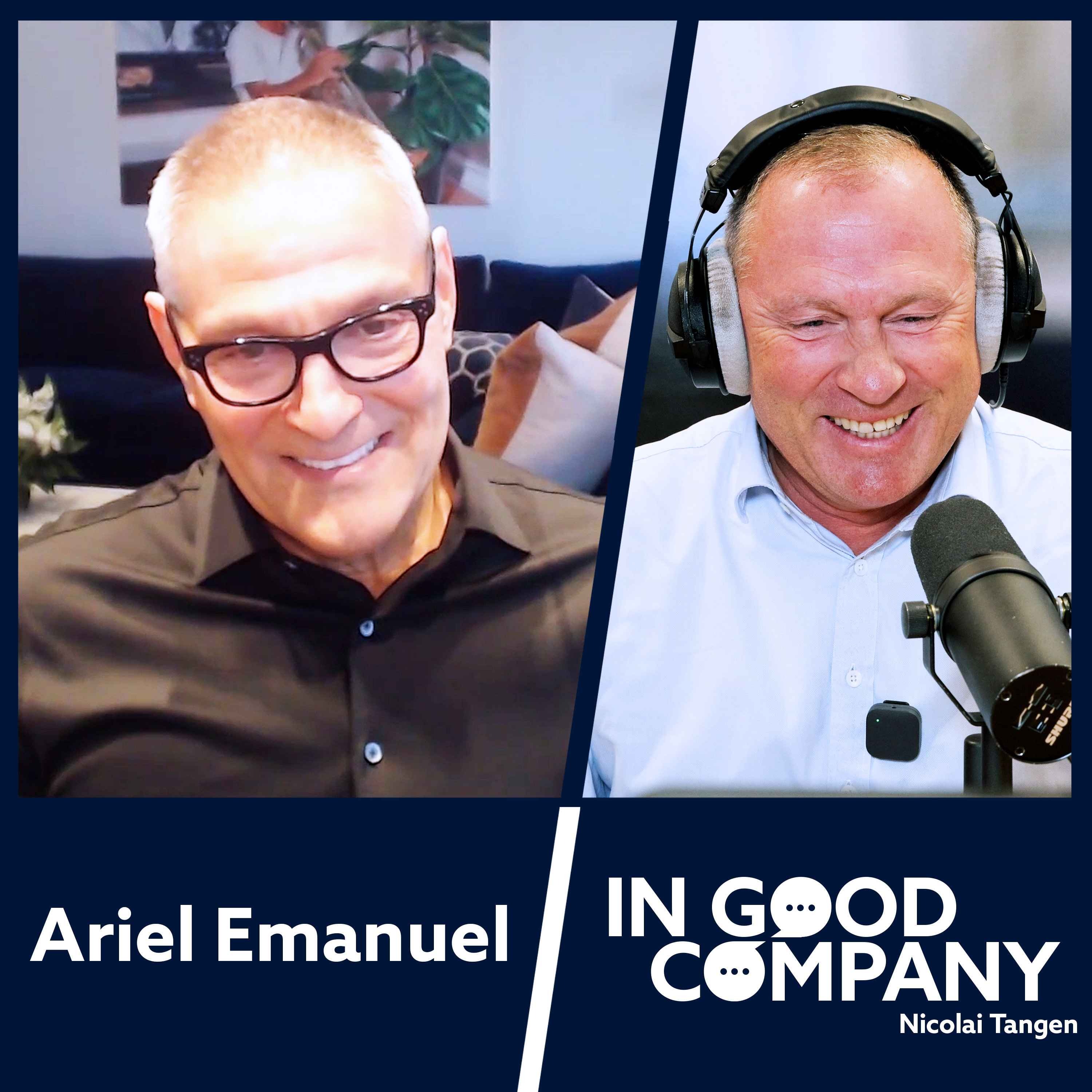
Ari Emanuel argues the agent's role has fundamentally shifted. Instead of just connecting talent to projects, agencies like Endeavor now assemble the entire creative package—writers, directors, actors—and present it to distributors. This moves the core creative assembly power from studios to full-service agencies.
CAA's new $250M fund signals a shift in the creator economy. Instead of simply taking a percentage or buying future ad revenue, the agency is investing in the entire business entity of top creators. This treats creators as scalable media companies, not just talent.

The next evolution of the creator economy involves creators building their own vertically integrated studios, complete with production, marketing, CPG, and supply chain infrastructure. They are no longer just talent for hire but self-sufficient media and commerce companies controlling their own IP.

Top talent agencies are evolving their business model for the creator economy. Instead of simple commissions, they now take equity and a seat on the cap table of creator-founded brands, reflecting their deep involvement in packaging, distribution, and marketing—acting more like a co-founder than an agent.
Brands struggling with the bandwidth to manage creators should shift their mindset. Viewing creators as human partners, rather than fungible "media units" or "affiliate links," is crucial. This requires both technology that empowers them and dedicated support to build authentic relationships.

UTA's creators division functions as a centralized business infrastructure layer for decentralized talent. They provide the services (licensing, partnerships, product development) that traditional studios once housed, enabling individual creators to operate like full-fledged media businesses without the overhead.
The traditional, siloed agency model of a strategic "hand-off" to a creative team is outdated and inefficient. A more effective future model pairs a strategist and a creative together from the start, short-circuiting the process to produce better work faster.
