Get your free personalized podcast brief
We scan new podcasts and send you the top 5 insights daily.
The updated Biosecure Act replaces a fixed list of sanctioned Chinese firms with a dynamic designation process controlled by the administration. This shifts risk for U.S. biotechs from a known quantity to an unpredictable political process, where any Chinese partner could be deemed a "company of concern" at any time.

Related Insights
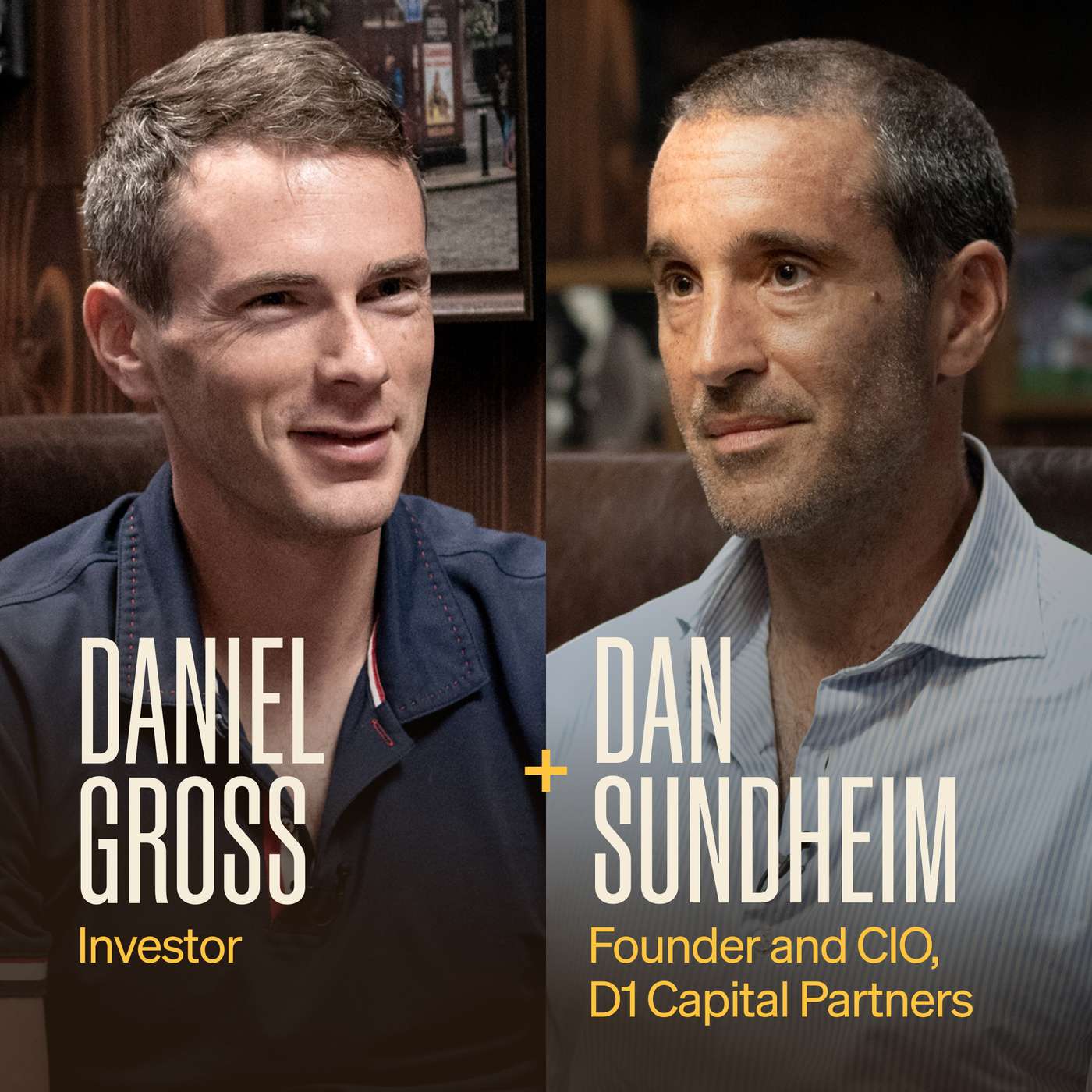
For D1 Capital, the primary risk in China isn't economic but political. The government's ability to arbitrarily influence resource allocation, punish successful companies, and eliminate entire sectors without due process creates an unacceptable level of uncertainty for capital allocators, regardless of how cheap valuations become.
China holds a choke point on the global pharmaceutical supply chain, being the sole source for key ingredients in hundreds of US medicines. This leverage could be used to restrict supply, creating shortages and price hikes, opening a new, sensitive front in geopolitical tensions.
China has developed a first-rate biotech effort, enabling U.S. firms to buy or license preclinical assets more efficiently than building them domestically. This creates an arbitrage opportunity, leveraging China's R&D capabilities while relying on U.S. expertise and capital for global commercialization.
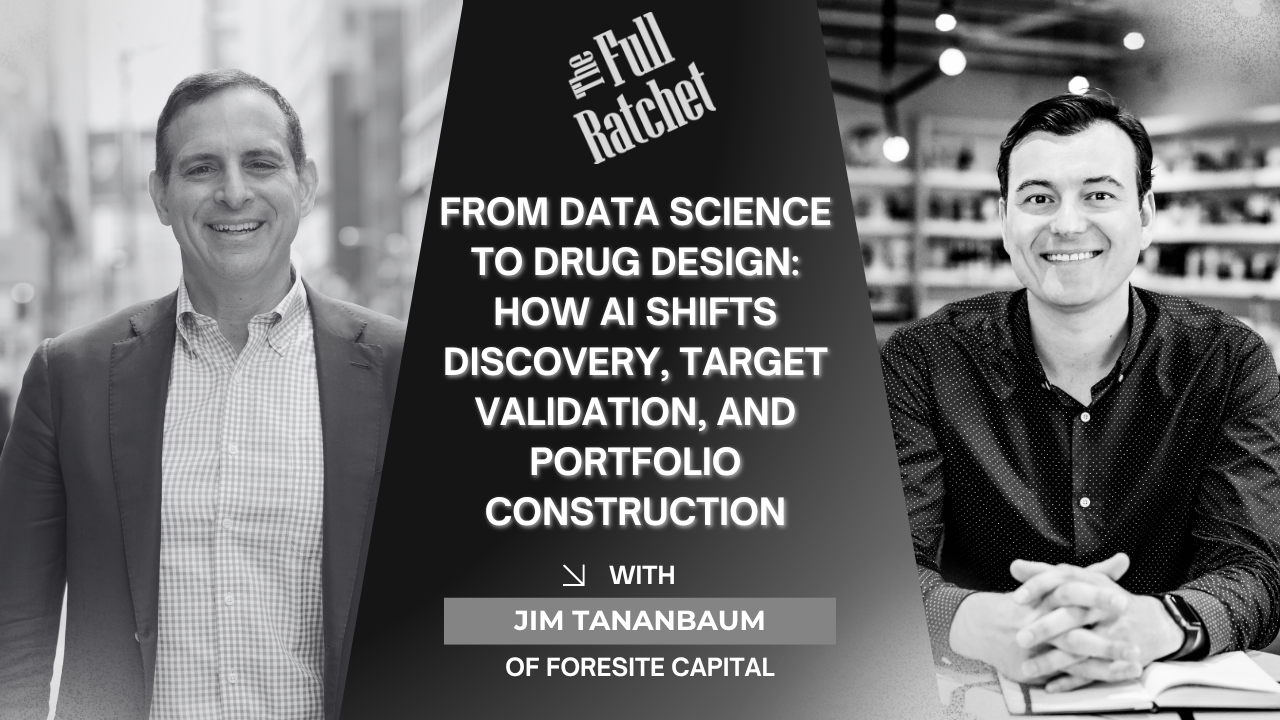
When the U.S. government becomes a major shareholder, it can create significant challenges for a company's international operations. Foreign governments and customers may view the company with suspicion, raising concerns about data privacy, security, and its role as a potential tool of U.S. policy.

An ideologically driven and inconsistent FDA is eroding investor confidence, turning the U.S. into a difficult environment for investment in complex biologics like gene therapies and vaccines, potentially pushing innovation to other countries.
China is no longer just a low-cost manufacturing hub for biotech. It has become an innovation leader, leveraging regulatory advantages like investigator-initiated trials to gain a significant speed advantage in cutting-edge areas like cell and gene therapy. This shifts the competitive landscape from cost to a race for speed and novel science.

Profitable Chinese giants like ByteDance trade at a fraction of their Western counterparts' multiples. This "China discount" stems not from business fundamentals but from the unpredictable risk of the Communist Party "smiting" successful companies and overarching geopolitical tensions, making them un-investable for many.
![Dan Wang - The US vs China In The 21st Century - [Invest Like the Best, EP.444] thumbnail](https://megaphone.imgix.net/podcasts/e1599a88-a9f6-11f0-b532-e3695bb27d60/image/0f5c07552cef2689e5834d56786ad6f1.jpg?ixlib=rails-4.3.1&max-w=3000&max-h=3000&fit=crop&auto=format,compress)
The industry's negative perception of FDA leadership and regulatory inconsistency is having tangible consequences beyond investment chilling. Respondents report actively moving clinical trials outside the U.S. and abandoning vaccine programs. This self-inflicted wound directly weakens America's biotech ecosystem at the precise moment its race with China is intensifying.

The next decade in biotech will prioritize speed and cost, areas where Chinese companies excel. They rapidly and cheaply advance molecules to early clinical trials, attracting major pharma companies to acquire assets that they historically would have sourced from US biotechs. This is reshaping the global competitive landscape.

Despite US-China tensions threatening innovation, the likely outcome is 'coopetition'—a blend of competition and collaboration—as global pharmaceutical firms navigate the dual imperatives of advancing innovation and ensuring supply chain resilience.
