Get your free personalized podcast brief
We scan new podcasts and send you the top 5 insights daily.
While the consolidation of wealth and power mirrors the Gilded Age, today's influential figures differ critically. Unlike their historical counterparts who still believed in the American system, a modern 'cabal' is actively trying to destroy democracy and the post-WWII global order.

Related Insights
Unlike historical fascism which co-opted business, today's authoritarianism is arguably a product of finance capitalism. The concentration of wealth creates oligarchs who merge with the state, trading democratic norms for deregulation and profit in a speculative, symbol-driven economy.

According to Ray Dalio's historical analysis, today's severe wealth inequality creates irreconcilable political divisions and populism. This pattern mirrors past eras, such as the 1930s, where internal conflict became so intense that several democratic nations chose to become autocracies to restore order.
The current environment mirrors the late 19th century's first wave of globalization. Then, as now, rapid technological change concentrated wealth, fueling populism and nationalism that ultimately led to global conflict in 1914. We risk 'sleepwalking' into a similar catastrophe.

The files reveal a small, tightly-knit group of globally influential people interconnected in unexpected ways. This network demonstrates the sociological theory that a small ruling class, or oligarchy, inevitably forms within any society.

Tocqueville warned that if a new, permanent aristocracy were to arise in America, it would come from its industrialists. This foresight is now reflected in the immense wealth and political influence of the modern billionaire class, whose power rivals that of historical aristocrats and challenges democratic equality.
The greatest threat from elite groups isn't cartoonish evil, but a sincere, self-righteous belief that they are justified in using sinister means for a perceived 'greater good.' This mindset allows them to contemplate grotesque actions, like spreading disease to alter behavior, without recognizing their own villainy.
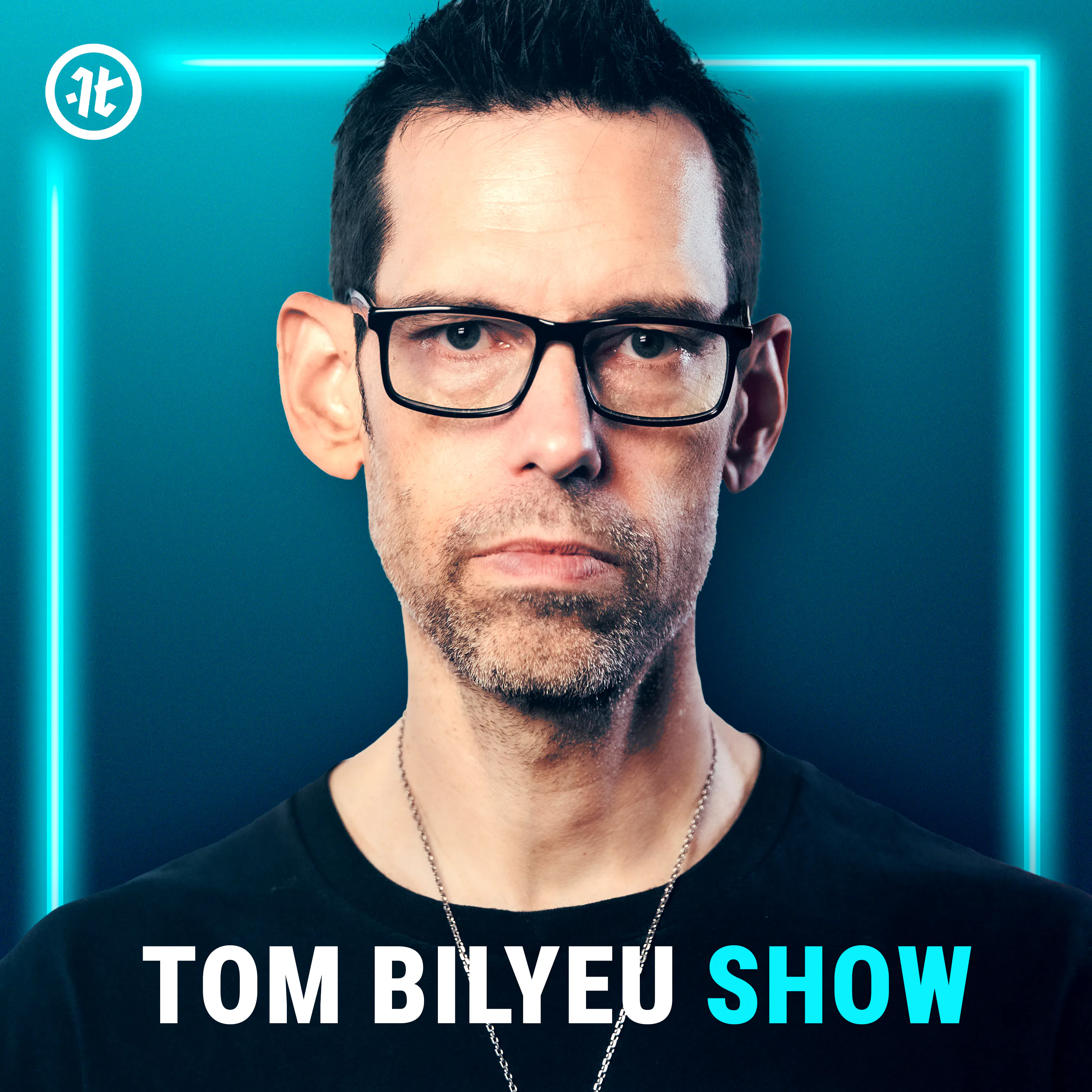
Nearly 200 years ago, Tocqueville warned that if a permanent aristocracy emerged in America, it would come from the industrialist class. This forecast resonates today with the growing political influence of the modern billionaire class.
The focus of billionaire philanthropy has shifted from building physical public works (like libraries) to funding NGOs and initiatives that aim to fundamentally restructure society, politics, and culture according to their ideological visions.

Don't expect corporate America to be a bulwark for democracy. The vast and growing wealth gap creates an overwhelming incentive for CEOs to align with authoritarians who offer a direct path to personal enrichment through cronyism, overriding any commitment to democratic principles.
The period from 1870-1914 mirrors today's super cycle of innovation, wealth concentration, inequality, populism, nationalism, and geopolitical rivalry. This makes it a more relevant historical parallel for understanding current risks than the recent era of hyper-globalization.