Get your free personalized podcast brief
We scan new podcasts and send you the top 5 insights daily.
Unlike pure software, freight logistics involves complex physical realities that tech-first founders consistently underestimate, leading to massive failures. Successful ventures in this space almost universally have a founder who deeply understands the industry's nuances from direct experience.
Related Insights
Before building, founders in complex industries must deeply understand the operational rigor and nuances of their target vertical. This 'operator market fit' ensures the solution addresses real-world workflows, as a one-size-fits-all approach is doomed to fail.

Second-time founders (“Act II teams”) possess a unique advantage. They can solve the same core problem but with complete clarity from the start, knowing the edge cases and organizational structure required. This allows them to leverage modern technology while avoiding the mistakes of their first venture, as seen with the founders of Workday and Affirm.
![Henry Ellenbogen - Man Versus Machine - [Invest Like the Best, EP.452] thumbnail](https://megaphone.imgix.net/podcasts/498a0910-d6ea-11f0-aae4-8f837283e00f/image/9b60f0353346cd1b5cbd326c86e22287.jpg?ixlib=rails-4.3.1&max-w=3000&max-h=3000&fit=crop&auto=format,compress)
Unlike their first company Meraki, the Samsara founders entered the physical operations industry as novices. Their conviction came from identifying compounding technology waves—connectivity, compute, and sensors—and trusting these would unlock future value, even if the exact path was unclear.

The ideal founder archetype starts with deep technical expertise and product sense. They then develop exceptional business and commercial acumen over time, a rarer and more powerful combination than a non-technical founder learning the product.
![David George - Building a16z Growth, Investing Across the AI Stack, and Why Markets Misprice Growth - [Invest Like the Best, EP.450] thumbnail](https://megaphone.imgix.net/podcasts/8da7dbd8-ceeb-11f0-941c-ef83bcdd4c9f/image/d44107bc94719f78fbe91befb141073e.jpg?ixlib=rails-4.3.1&max-w=3000&max-h=3000&fit=crop&auto=format,compress)
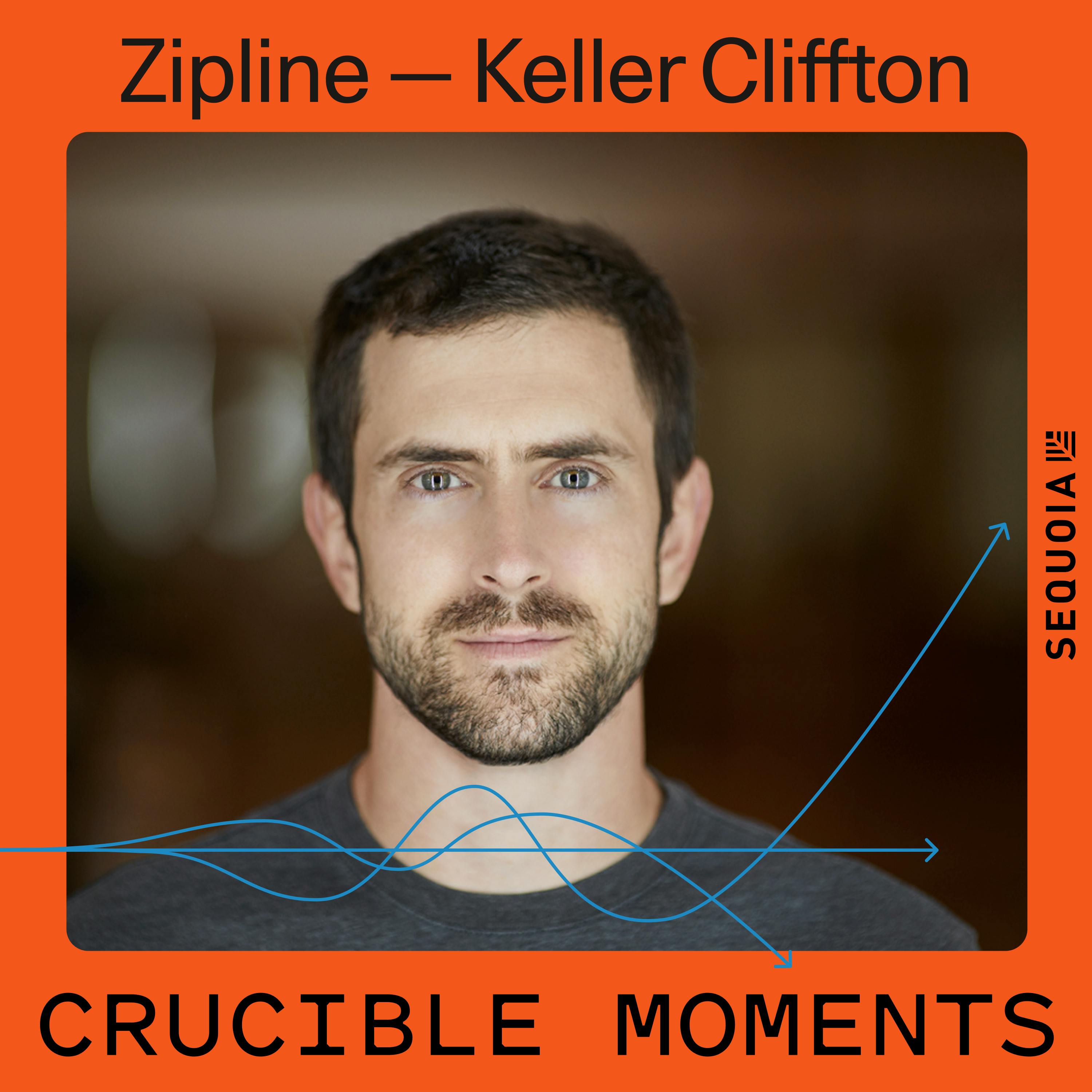
The founders initially focused on building the autonomous aircraft. They soon realized the vehicle was only 15% of the problem's complexity. The real challenge was creating the entire logistics ecosystem around it, from inventory and fulfillment software to new procedures for rural hospitals.
Don't start a company in a space you're indifferent to and ignorant of. Your founding idea must be anchored in either deep domain expertise ("what you know") or a genuine, intense passion for the problem ("what you care about"). Lacking both is playing on "extra hard mode."

Technically-minded founders often believe superior technology is the ultimate measure of success. The critical metamorphosis is realizing the market only rewards a great business model, measured by revenue and margins, not technical elegance. Appreciating go-to-market is essential.

A full understanding of a complex industry's challenges can be paralyzing. The founder of Buildots admitted he wouldn't have started the company if he knew how hard it would be. Naivety allows founders to tackle enormous problems that experienced operators might avoid entirely.

While domain experts are great at creating incremental improvements, true exponential disruption often comes from founders outside an industry. Their fresh perspective allows them to challenge core assumptions and apply learnings from other fields.

A16Z's crypto fund prioritizes founders who have spent their careers deeply immersed in a specific sub-industry, even if it's outside crypto. This deep understanding of a problem set, like traditional finance rails or restaurant tech, is a crucial ingredient for success when applying blockchain solutions.