Get your free personalized podcast brief
We scan new podcasts and send you the top 5 insights daily.
While often seen as a nuisance, patients who research their symptoms are an asset to an over-burdened healthcare system. Informed patients streamline consultations, allowing overworked physicians to focus on diagnosis and treatment planning rather than basic information gathering.

Related Insights
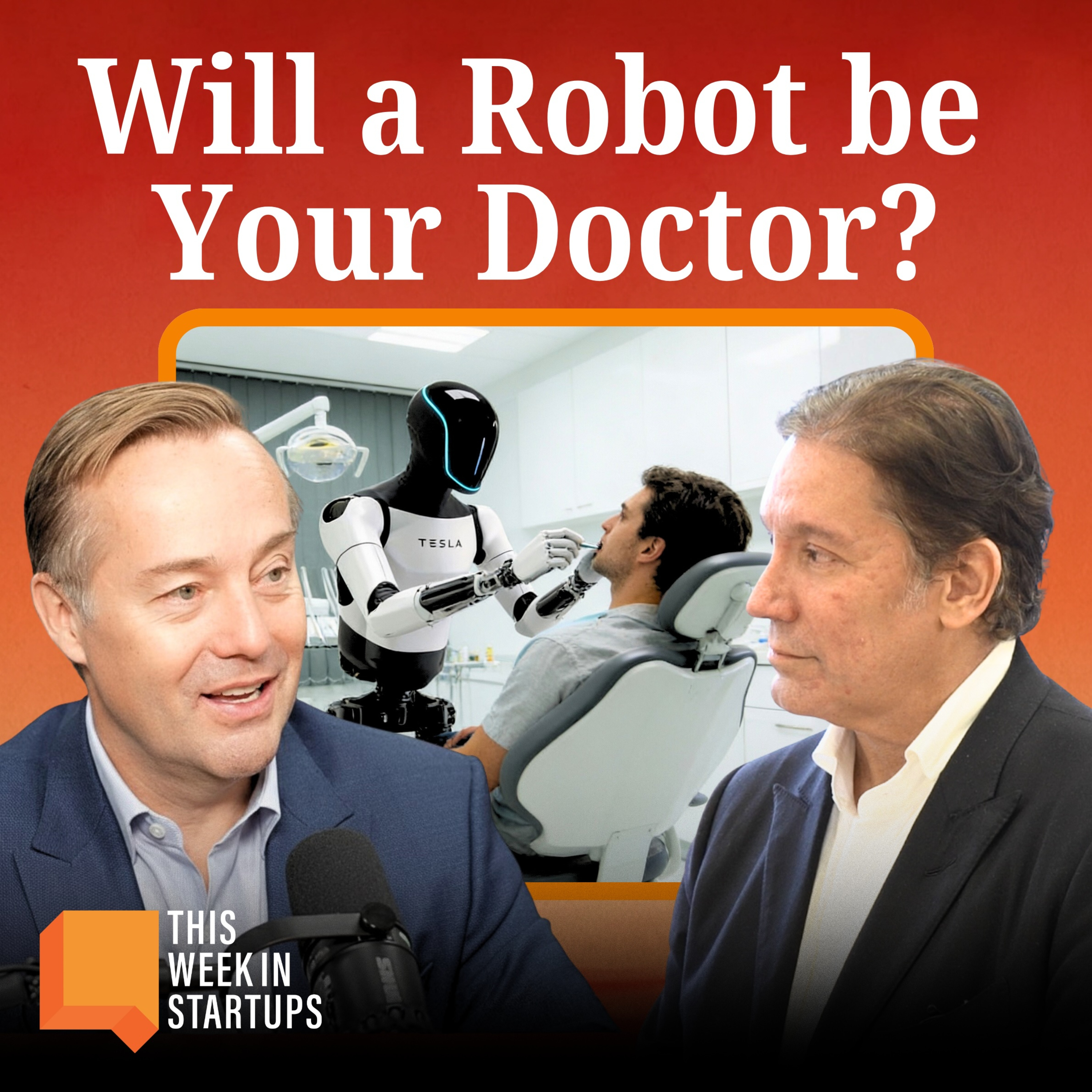
The future of healthcare will see AI handling initial patient consultations, effectively becoming the primary care doctor. This will streamline the process, sending patients directly to specialized clinics for diagnostic tests, bypassing traditional, inefficient doctor visits.
The medical community is slow to adopt advanced preventative tools like genomic sequencing. Change will not come from the top down. Instead, educated and savvy patients demanding these tests from their doctors will be the primary drivers of the necessary revolution in personalized healthcare.

AI's most significant impact won't be on broad population health management, but as a diagnostic and decision-support assistant for physicians. By analyzing an individual patient's risks and co-morbidities, AI can empower doctors to make better, earlier diagnoses, addressing the core problem of physicians lacking time for deep patient analysis.
Instead of asking AI for medical answers directly, use it to learn the fundamental vocabulary of health and how to read scientific studies. This basic literacy provides an incredible ROI, enabling you to ask smarter questions, understand your own data, and have more productive conversations with doctors.

The widespread use of AI for health queries is set to change doctor visits. Patients will increasingly arrive with AI-generated analyses of their lab results and symptoms, turning appointments into a three-way consultation between the patient, the doctor, and the AI's findings, potentially improving diagnostic efficiency.

To get higher-quality input from busy medical experts, use specialized AI tools like Consensus.app to review scientific literature first. Then, present your tentative conclusions to the professional, demonstrating you've done the preliminary work, which encourages a more thoughtful and detailed response.
AI assistants can democratize medical knowledge for patients. By processing personal health data and doctor's notes, these tools can explain complex conditions in simple terms and suggest specific questions to ask medical professionals, improving collaboration.

The current healthcare model is backwards. It's more cost-effective to proactively get comprehensive diagnostics like blood work done twice a year than to rely on multiple, expensive doctor visits after symptoms appear. This preventative approach catches diseases earlier and reduces overall system costs.
The popularity of at-home diagnostics and health protocols isn't just about clinical outcomes. It fulfills a deep-seated human need for control over one's health, a feeling the traditional 'wait and see' medical system often denies patients.

Instead of replacing doctors, AI will serve as a force multiplier for scarce General Practitioners. By automating paperwork and answering repetitive patient questions, AI frees doctors to focus on high-value human interaction and complex diagnosis.
