Get your free personalized podcast brief
We scan new podcasts and send you the top 5 insights daily.
Iran has pivoted to using ballistic missiles, which require scarce and expensive SM-6 and PAC-3 interceptors to counter. This tactical shift effectively burns through the US's most advanced air defense inventory, creating strategic vulnerabilities for US forces.

Related Insights
Iran's military is prioritizing attacks on radar infrastructure across the Middle East. This is a strategic move to neutralize the technological superiority of US and Israeli air defense systems like Iron Dome and THAAD. By blinding the enemy first, even less sophisticated attacks can successfully get through.

Nations like Iran and Russia deploy vast numbers of cheap drones (around $55,000 each), forcing defenders to use multi-million dollar missiles. This creates a severe cost imbalance, making traditional, high-end air defense economically unsustainable over time.

Modern asymmetric warfare is less about ground skirmishes and more about economic attrition through missile technology. Adversaries use extremely cheap drones and mines to exhaust the multi-million-dollar missile defense systems of better-equipped powers, creating a lopsided cost exchange.

By forcing the U.S. to operate its air defense systems at scale, the conflict in Iran is inadvertently providing China with a treasure trove of intelligence. The Chinese can observe how these systems perform, identify weaknesses, and refine their own tactics for a potential future conflict.
The massive expenditure of U.S. missile defense interceptors in the Iran conflict is significantly cutting into the total inventory. This depletion, which cannot be quickly replaced, creates a window of vulnerability that could tempt China to act on its regional ambitions while the U.S. is distracted and under-supplied.
The conflict reveals a critical vulnerability: nations burn through advanced interceptor missiles at a rate that vastly outpaces annual production. Firing two interceptors per incoming missile means that even well-stocked Gulf states could exhaust their pre-war supplies in days, exposing a major bottleneck in the defense supply chain.
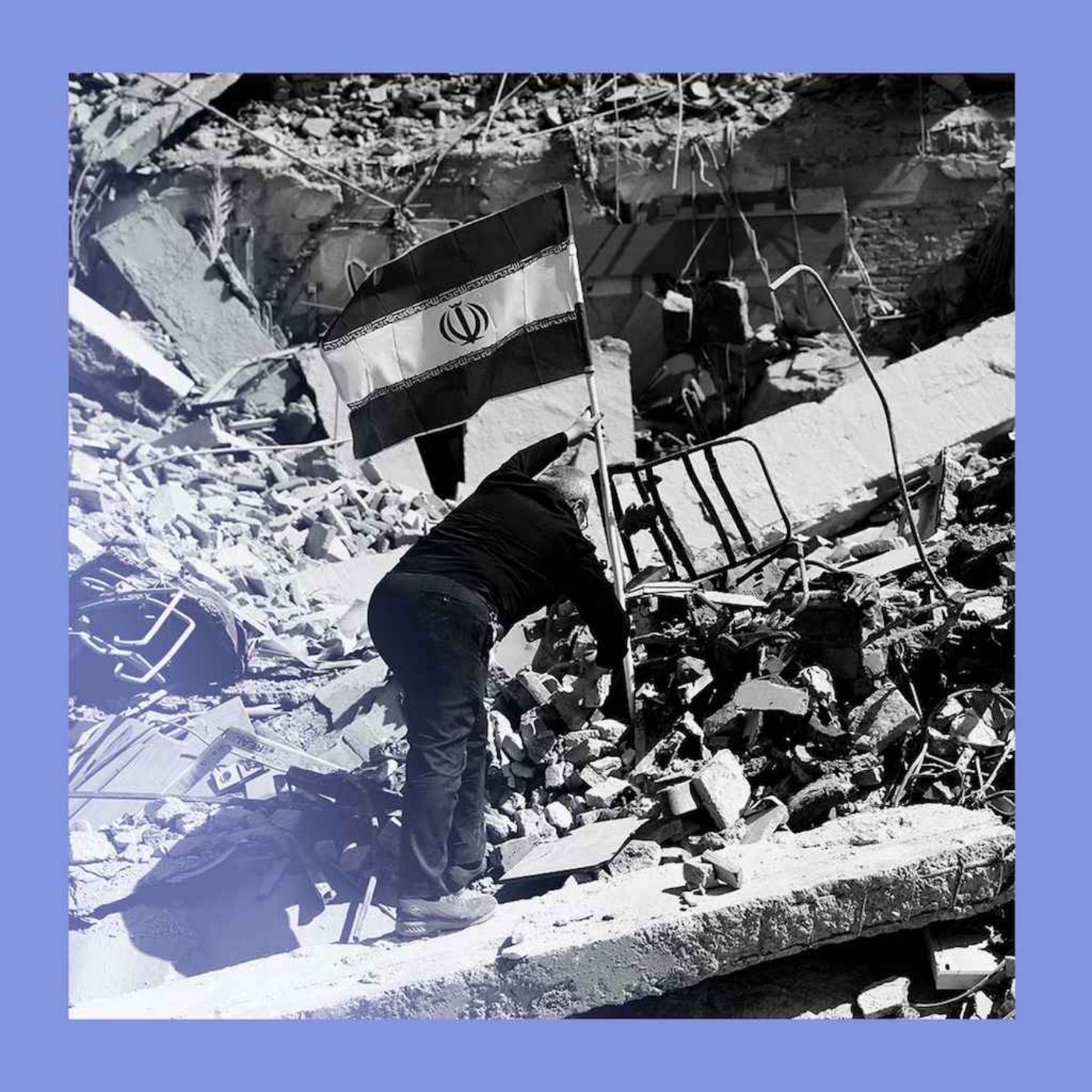
Contrary to political rhetoric suggesting total dominance, US air superiority in Iran is limited to specific geographic areas and time-sensitive windows. This lack of persistent control forces the use of expensive, high-end munitions to mitigate risk to pilots, further draining valuable inventories needed for a high-end fight.

The Iran conflict reveals a critical flaw in US defense strategy: using multi-million-dollar missiles to intercept $35,000 drones. This economically unsustainable exchange rate highlights an urgent need for advanced, low-cost defensive technologies.

Iran's military has demonstrated capabilities far exceeding US intelligence estimates. Military planners at CENTCOM are surprised by Iran's ability to retain over 50% of its missile capacity, rapidly relaunch after strikes, and successfully use hypersonic weapons, challenging assumptions of American technological dominance in a conflict.

Iran can produce cheap Shahed drones weekly, while the US produces expensive PAC-3 interceptors annually. This massive production disparity means defense systems can be quickly depleted, leaving critical infrastructure like oil fields vulnerable.
