Get your free personalized podcast brief
We scan new podcasts and send you the top 5 insights daily.
Contrary to the view from 20 years ago, Diamond is now more optimistic about the environment, partly due to big business. Companies like Walmart and even oil firms like Chevron now proactively pursue sustainability, driven by consumer pressure and the financial risks of environmental damage.

Related Insights
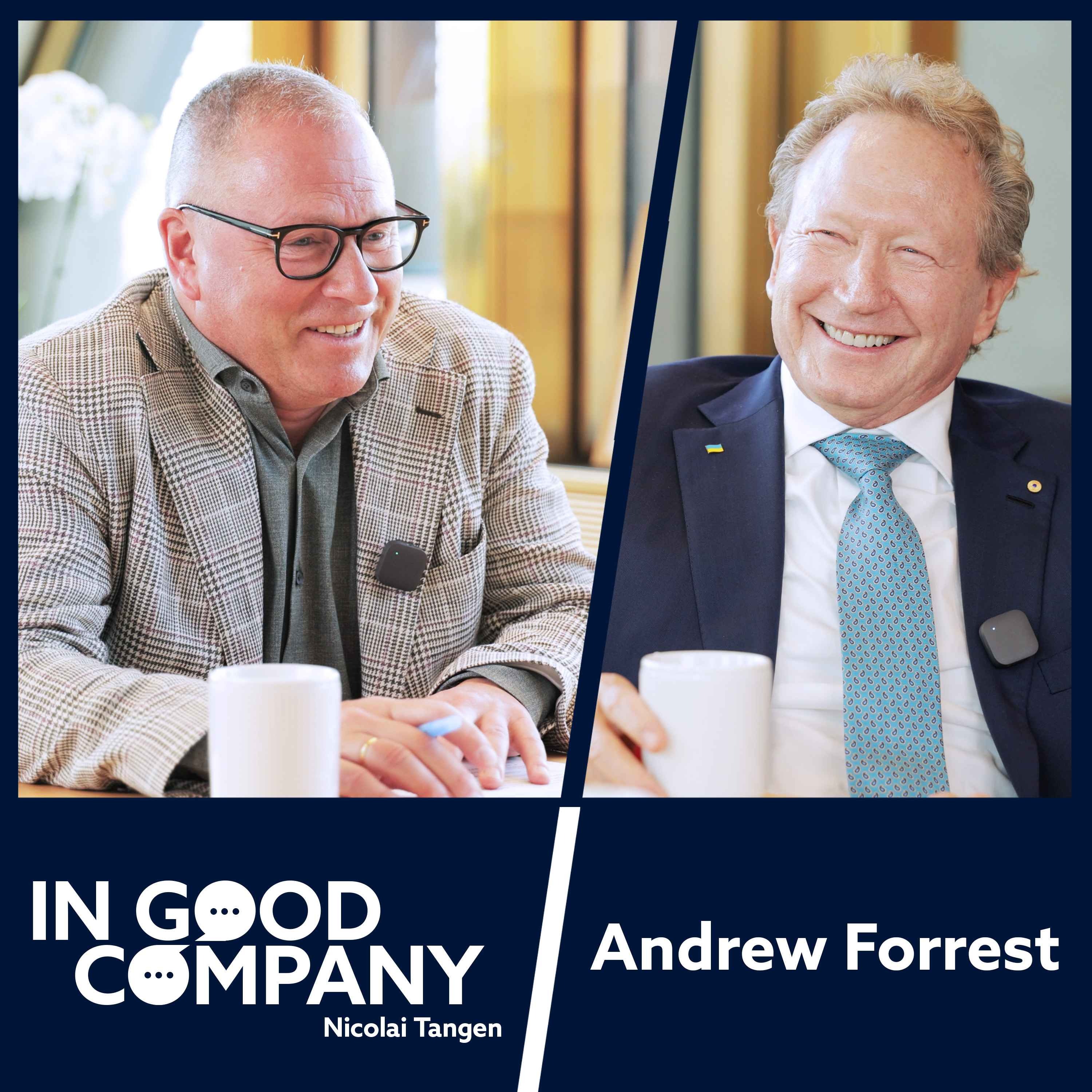
After a hiking accident left him in a wheelchair, Andrew Forrest pursued a PhD in marine ecology. His research on climate change's impact on oceans directly motivated him to transform his heavy-industry mining company, Fortescue, into a green energy leader, committing to zero fossil fuels by 2030.
To counter political backlash against ESG, Mars' CEO reframes sustainability as a fundamental business imperative. For a food company reliant on agriculture, climate change directly threatens crop viability and affordability. This makes environmental action a matter of operational resilience and risk management, completely separate from political debate.
Citing a Harvard Business School study of 1,800 companies, Sir Ronald Cohen reveals the staggering scale of negative externalities. A third of these firms (600) cause environmental damage equivalent to a quarter or more of their profits, while 250 create more damage than they make in profit, highlighting the financial materiality of impact.

Andrew Forrest is transitioning his mining company to zero fossil fuels not just for environmental reasons, but for a massive competitive advantage. He predicts eliminating diesel will save a billion dollars annually, making Fortescue's costs unreachable by competitors who haven't yet adopted green energy.

The current movement towards impact-focused business is not just a trend but a fundamental economic succession. Just as the tech revolution reshaped global industries, the impact revolution is now establishing a new paradigm where companies are valued on their ability to create both profit and positive contributions to society and the planet.
Andrew Forrest argues that competitors will follow his green transition for economic reasons, not environmental ones. By eliminating a billion liters of diesel annually, Fortescue will save a billion dollars, creating a cost advantage that will force the rest of the industry to adapt to remain competitive.
True brand leadership in sustainability involves being proactive, not reactive. Instead of waiting for consumer demand or government regulations to force change, innovate ahead of the curve by developing environmentally friendly products and processes from the start.

Instead of focusing on marginal emissions cuts, companies should leverage their unique capabilities to solve hard problems. This means acting as early buyers for new green technologies or investing in R&D within their supply chains, creating new markets for the entire industry.

The political challenge of climate action has fundamentally changed. Renewables like solar and wind are no longer expensive sacrifices but the cheapest energy sources available. This aligns short-term economic incentives with long-term environmental goals, making the transition politically and financially viable.

The modern push for ESG is a direct consequence of governments becoming less visionary in solving major societal challenges. The public, seeing a leadership vacuum in areas like inequality and climate change, has essentially drafted the private sector to fill the role previously held by proactive, ambitious governments.
